AI SEO Explained: How Search Is Changing in 2025
SEO isn’t dead, but it’s changing faster than most businesses realize. In 2025, more people are getting answers from AI-driven platforms like Google’s Search Generative Experience (SGE), ChatGPT, Bing AI, and Gemini instead of clicking traditional search results. That shift means businesses can no longer rely on keyword-stuffed blogs and generic web pages to get noticed.
AI SEO is the new way forward. It’s the practice of optimizing content not just for Google rankings, but for AI-powered engines that deliver direct answers. In this article, we’ll explain what AI SEO is, how search is evolving, and what you need to do now to prepare your business for the future of search.
What Is AI SEO?
Q: What is AI SEO?
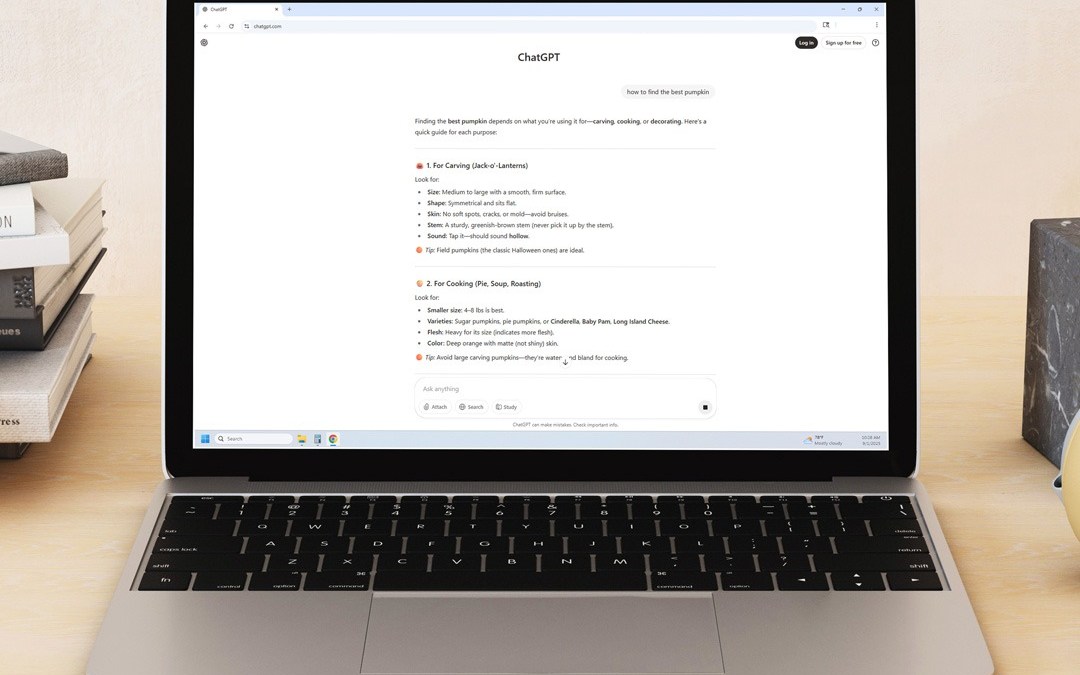
AI SEO is the process of optimizing your content so it appears in AI-powered search results, like Google SGE, ChatGPT, or Bing AI. Instead of focusing only on keywords, AI SEO emphasizes structured answers, conversational tone, and trustworthy signals that AI can easily parse and cite.
Unlike traditional SEO, which centers on ranking in the “10 blue links,” AI SEO is about making your content the go-to answer for conversational queries, voice search, and AI chat responses.
How Search Is Changing in 2025
Search engines are no longer just lists of links. They’re becoming answer engines.
-
AI-Generated Answers in Google (SGE): Google SGE now displays AI summaries at the top of results. Studies show a nearly 30% drop in clicks to traditional websites because users get answers without leaving the search page.
-
Answer Engine Optimization (AEO): AI assistants like ChatGPT and Gemini prioritize content written in question-and-answer format. They reward concise, direct responses supported by deeper detail.
-
Generative Engine Optimization (GEO): Generative engines (like ChatGPT) cite authoritative, structured, data-driven content. Pages with original insights, statistics, and clear formatting are more likely to be included in AI responses.
This means businesses must optimize for visibility inside AI results and not just Google rankings.

Why AI SEO Matters for Businesses
For a business, the stakes are high. If customers ask AI tools for recommendations and your business doesn’t appear, you’re invisible.
AI SEO matters because:
-
Consumers are shifting their searches from Google to AI tools.
-
AI favors content with FAQs, case studies, and conversational answers.
-
Structured data (schema) signals to AI: “this content is safe and reliable.”
-
Businesses that adapt now can leap ahead of competitors still stuck on outdated SEO tactics.
How to Prepare for AI SEO (Action Steps)
Here are six practical steps to get ready for AI-driven search:
- Add FAQ and HowTo Schema
- Use Yoast Pro’s FAQ block to embed structured Q&As on service pages and blogs.
- This schema is what AI scrapers pull first. - Write in Q&A Format
- Structure blogs as: Question → Short Answer → Deep Dive.
- Voice search and AI love direct, conversational responses. - Publish Unique Data & Insights
- Share case studies, client results, or local industry stats. Example: “72% of our Polk County branding projects get completed in under 30 days.” - Build Topical Authority
- Create pillar pages (e.g., “The Ultimate Guide to Branding in 2025”) and link smaller cluster posts into it.

- Optimize for User Experience
- - Fast load speed, mobile responsiveness, and clear formatting boost both SEO and AI visibility.
- Track AI Search Results
- Test queries in Google SGE, ChatGPT, and Bing.
- Refine content if your answers don’t appear.
The rules of search are changing. SEO is no longer about who can stuff the most keywords into a page — it’s about who can provide the clearest, most trustworthy answers that AI wants to use.
If your business isn’t preparing for AI SEO, you risk falling behind. But with the right structure, schema, and strategy, you can turn AI search into your biggest growth engine.
Ready to get your business found in AI search? Contact Creative Fox Group today.