a
Creative Fox Marketing Group Logo
Your Website Is the Hub of Your Business

Your Website Is the Hub of Your Business

Your Website Is the Hub of Your Business

Your website should be the central hub of your business’s online presence. Social media, Google Business Profile, email marketing, digital advertising and online directories can introduce people to your company, but they should lead customers back to a website you control.

A professional website gives people one reliable place to learn about your business, explore your services, view your work and decide what to do next. Without that central hub, your marketing becomes scattered across platforms that can change without your permission.

Your Marketing Needs a Central Destination

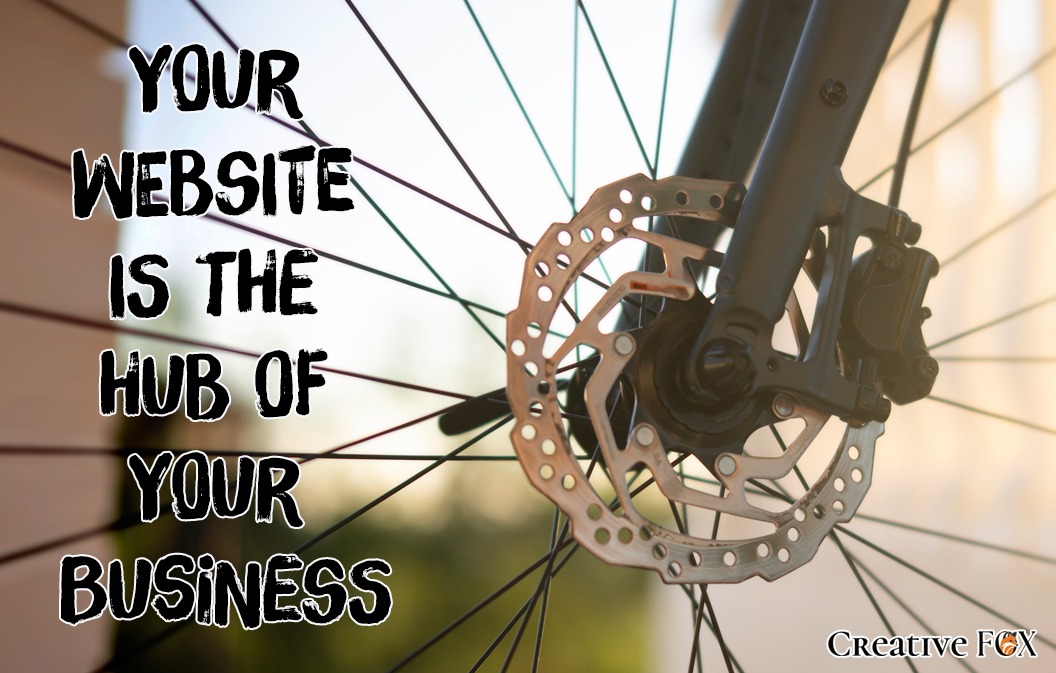
Hub and spoke representing the marketing channels for your website

Think of your online marketing as a wheel. Your website is the hub, and your other marketing channels are the spokes connecting customers to it.

Those channels may include:

  • Facebook and other social media platforms
  • Google Business Profile
  • Email marketing
  • Digital advertising
  • Online directories
  • Blog content
  • Printed marketing with QR codes

Each channel serves a purpose, but none should operate alone. A Facebook post can introduce a new service, but the link should take customers to a page where they can learn more. A Google Business Profile can help someone discover your company, but your website should provide the complete information they need to make a decision.

Your website connects these efforts and gives your marketing a clear destination.
Facebook log in screen close up on a computer screen.

Facebook should support your online presence, not become your entire online presence

Facebook can help your business connect with customers, share updates and promote products or services. However, it is not a reliable replacement for a professional website. Facebook is a third-party platform, which means your business does not control its features, policies, availability or how your content is displayed. Visitors are also surrounded by advertisements, notifications and competing posts that can pull their attention away from your business.

Although public Facebook pages may appear in Google Search, you have limited control over how that information is accessed, indexed or presented. Important posts can also become difficult to find as new content is added. Your website gives your business a more dependable online home where you can organize information, improve search visibility, control the customer experience and guide visitors toward a clear next step.

Facebook should help people discover your business. Your website should be where they go to fully understand it.

Why Facebook Should Not Replace Your Website

Facebook Is a Third-Party Platform

Your business does not own Facebook. Meta controls its features, algorithms, page layouts and account policies. These can change at any time and affect how customers find or interact with your page.

Your website gives you greater control over your branding, content, navigation and customer experience.

Facebook Collects Information About Its Users

When you send customers to Facebook, you send them into Meta’s platform and data-collection environment. They may also see advertisements, notifications, suggested posts and competing content.

Your website keeps customers focused on your business. You decide which analytics tools are installed, how information is presented and what action visitors are encouraged to take.

Facebook Can Experience Outages

If Facebook experiences an outage, your business page may become unavailable along with your hours, services, contact details and recent updates. Your page could also be affected by an account restriction or security issue.

A website gives customers another dependable place to find accurate information about your business.

How Google Interacts With Facebook and Your Website

Public Facebook pages may appear in Google Search, but you have limited control over which content Google can access, index or display.

Your website allows you to create individual pages for your services, locations, products and frequently asked questions. You can optimize page titles, headings, written content, images, internal links and metadata to help Google understand your business.

Facebook Posts Are Not a Lasting Content Library

Facebook posts move down your timeline as new content is published. Important information can quickly become difficult for customers to find.

A website organizes your services, project examples, reviews and business information into permanent pages that customers can easily revisit. Facebook can introduce your content, while your website provides the complete story.

Social Media Still Has an Important Role

This does not mean your business should stop using Facebook. Social media remains useful for building awareness, sharing updates, showing personality and connecting with customers.

The key is to use Facebook as part of your marketing strategy rather than allowing it to become your entire online presence.

Share the project photo on Facebook, then link to the full project on your website. Announce the new service, then direct people to a detailed service page. Promote the special offer, then send customers to a focused landing page where they can take action.

Facebook helps start the conversation. Your website should help complete it.

Your Website Tells the Complete Story

Social media content is usually brief and temporary. A post may be visible today and difficult to find several months from now.

A website gives important content a permanent and organized home. It can explain:


  • What your business offers
  • Who you serve
  • Where you provide services
  • What makes your company different
  • How your process works
  • What customers can expect
  • How someone can contact you
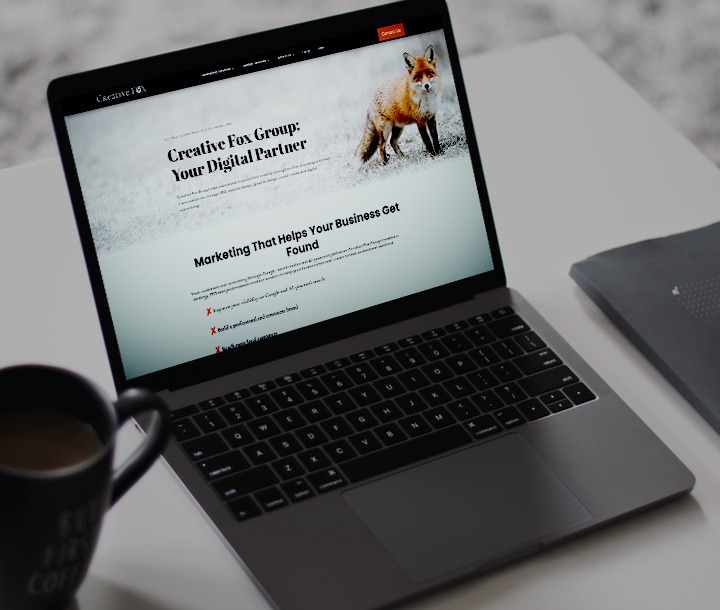
Laptop with Creative Fox Group website on it.

Your website can also display reviews, project examples, team information, certifications, frequently asked questions and other details that build trust.

Customers should not have to scroll through months of Facebook posts to understand what your business does.

Your Website Guides Customers Toward the Next Step

A good website does more than provide information. It guides potential customers toward an action.

That action might be:

  • Calling your business
  • Completing a contact form
  • Requesting a consultation
  • Scheduling an appointment
  • Visiting your location
  • Purchasing a product
  • Signing up for an email list

On Facebook, the platform controls much of the customer’s experience. On your website, every page can be designed around the needs of your customers and the goals of your business.

This creates a clearer path from discovering your company to becoming a customer.

Build Your Business on a Stronger Foundation

Your website is the online home of your business. It connects your marketing, supports your visibility and gives customers a reliable place to learn more about your company.

Social media platforms will continue to change. Search technology will continue to evolve. Your website gives your business a central foundation that can grow and adapt with both.

Creative Fox Group creates professional business websites that connect branding, content, search visibility and customer experience. If your business is relying too heavily on Facebook or an outdated website, we can help you build a stronger online hub.

Contact Creative Fox Group to discuss a website designed around your business, your customers and your long-term marketing goals.

The 5 Purchases We Almost Skipped That Ended Up Being Game Changers

The 5 Purchases We Almost Skipped That Ended Up Being Game Changers

Not every smart purchase feels smart at the time. Some of the most useful tools in our creative workflow were the ones we hesitated on, questioned, or bought on a whim. They didn’t look impressive in a cart, and a few of them felt unnecessary until we used them once and never looked back.

This list isn’t ranked, and none of these are sponsored or affiliated purchases. These are just products we bought ourselves, almost skipped, and are now glad we didn’t.

An umbrella for phone and camera setups

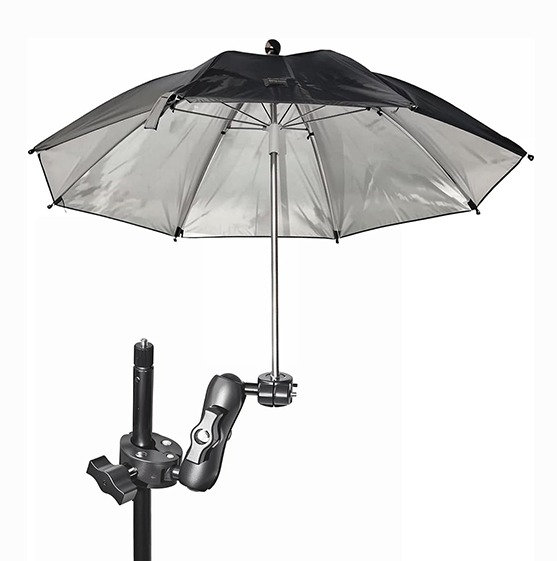
This one came from a mistake we don’t plan to repeat. During a time-lapse shoot, our phone overheated from sitting in direct sunlight and shut down halfway through recording. Since adding a small umbrella that clamps to our tripod, overheating has stopped being an issue. It blocks direct sun, keeps devices at a safer temperature, and allows us to confidently leave cameras running for longer periods. As a bonus, it also provides light rain protection, which is especially helpful for outdoor shoots where weather can change quickly. It’s a simple fix that protects both our equipment and our time. 

Umbrella to attach to tripod to prevent phone from overheating in the sun.

Source: Amazon

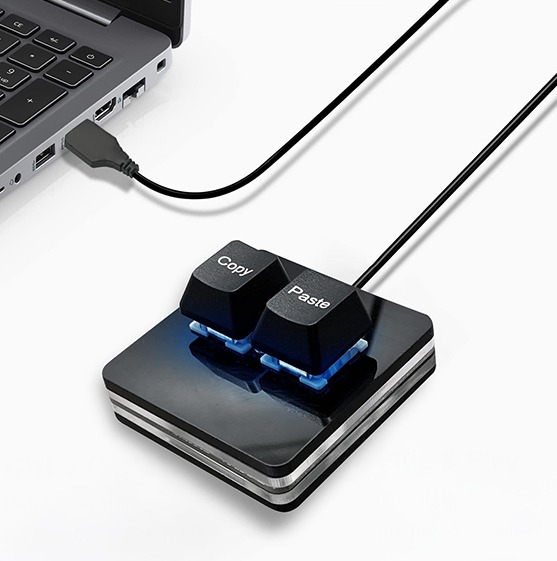
A copy and paste button

Copy Paste Button a dedicated button reduces repetitive hand movements.

Source: Amazon

We were skeptical about this one. A physical copy and paste button felt unnecessary, almost gimmicky. Instead, it became one of the most used tools on our desk. When your work involves constant writing, editing, and design, copying and pasting happens hundreds of times a day. Having a dedicated button reduces repetitive hand movements and speeds up those tiny tasks that quietly eat up time. The result is less friction in our workflow and fewer interruptions when we’re in the middle of focused work. It’s a small change that adds up over the course of a week.

A flexible tripod and camera holder

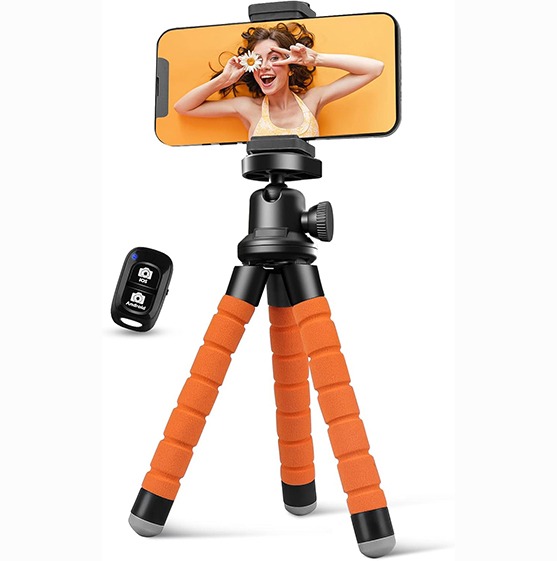
There are plenty of camera stabilizing options out there, ranging from high end gear to full production setups. As a startup, we chose a more budget friendly flexible tripod, and it’s worked perfectly for what we need right now. Before this, we tried to make handheld shots work more often than we should have, and it showed. The flexible tripod gave us stable footage without pulling out a full size tripod, kept fingers out of frame, and allowed for quick, easy setups. We can place it on a surface, wrap it around railings, or use it as a small stand for hands free recording. It also lets us step away from the camera while filming, making time lapses, walkthroughs, and behind the scenes content much easier to capture cleanly. If we ever outgrow it, we’ll upgrade, but for now, this simple option gets the job done.

Flexible budget friendly tripod for stabilization

Source: Amazon

A foldable Bluetooth keyboard

Foldable keyboard for easy transportation for tablet or phone.

Source: Amazon

Working from an iPad is convenient, but typing on a touchscreen all day isn’t efficient. We almost skipped this foldable keyboard, assuming it would feel awkward or flimsy. Instead, it gave us the flexibility of a laptop without the bulk. The layout feels familiar, it connects quickly, and it folds down small enough to toss in a bag. It made working outside the office easier and more comfortable, letting us respond to emails, edit content, and get real work done without carrying extra weight. While we picked ours up from Aldi for ten dollars, we’ve found similar options available online as well.

A drone launch pad

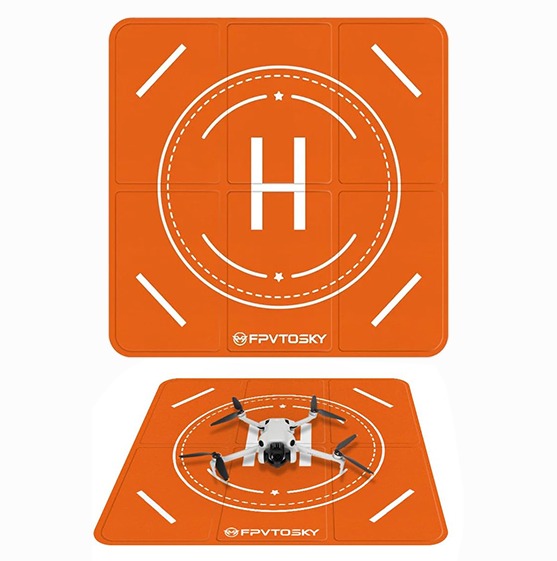
Launching a drone in real world environments isn’t always ideal. Many of our shoots take place in finished backyards where dirt, gravel, and grass can interfere with takeoff. The drone launch pad gives us a clean, controlled surface for both launching and landing. It protects the drone from debris, prevents grass from clipping the blades, and adds consistency to every flight. It also creates a more professional setup on site, which matters when working around completed spaces and clients’ homes. They don't have the orange pad available at this time, you can find the same pad in red on Amazon.

Launch pad for drone to have clean take off and landings.

Honorable mention: Wireless mic

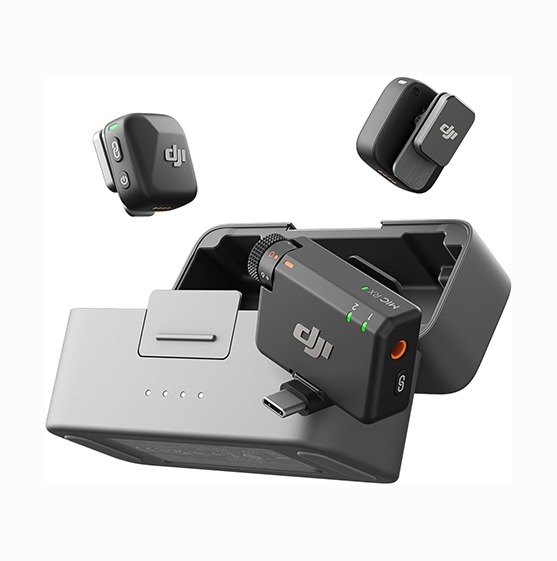
DJI Mic Mini (2 TX + 1 RX + Charging Case), Wireless Lavalier Microphone for iPhone/Camera/Android

Source: Amazon

Audio quality is easy to overlook until it becomes a problem, which is why this one earns an honorable mention. It’s not an out-of-the-box purchase most people think about, but it’s a necessary upgrade that’s often overlooked. We started with phone microphones, but the quality was inconsistent and frequently picked up unwanted background noise. Switching to a wireless lav mic instantly improved clarity and reliability. Recordings sound cleaner, require less editing, and work seamlessly across both phones and cameras. For voiceovers, interviews, and on site content, this upgrade made a noticeable difference in the final product.

Final Thoughts

None of these purchases were flashy or expensive, but each one solved a real problem we were working around every day. They saved time, improved quality, and made our workflow more efficient without adding complexity. The biggest takeaway is that the right tools don’t have to be perfect or high end. They just have to work for where you are right now. At Creative Fox, we’re always looking for ways to work smarter, not harder, and sometimes that starts with noticing the small things and choosing better tools for the job.

Graphic Design Trends for 2026 You Need to Know

Graphic Design Trends for 2026 You Need to Know

If 2025 taught us anything, it’s that AI didn’t just speed up design. It reshaped it. This year was filled with AI powered images that were sharp, surreal, and sometimes wildly polished. Feeds were full of perfect lighting, flawless symmetry, and visuals that felt impressive but often a little too smooth.

As we head into 2026, the shift is clear. Designers aren’t abandoning AI. They’re pushing back against sameness. The trends ahead are about adding humanity back into the process. More personality. More texture. More feeling. Here’s what we’re seeing rise to the top.

1. Imperfect, hand made, and proudly human

The polished, too perfect look is losing ground because audiences can feel how manufactured it is. In 2026, design is shifting toward scribbles, texture, collage, and organic details that signal a real human hand behind the work. Rough edges, visible grain, and layered elements create visual friction that stops the scroll and builds trust in a way flawless layouts no longer do. As AI generated visuals become easier and more common, imperfection is turning into a differentiator. This style feels more honest, more approachable, and more intentional, helping brands stand out by feeling real instead of automated

2. Characters as brand ambassadors, not just decoration

Mascot for Central Florida Restaurant Supply.

Brand characters are making a comeback because they solve a growing connection gap. Logos are recognizable, but they don’t build relationships. Characters do. In 2026, mascots and illustrated brand figures are being reimagined as consistent personalities that show up across websites, packaging, social media, and motion content, giving brands a face people can connect with. As attention spans shrink and competition increases, characters make brands easier to remember, easier to trust, and easier to root for. This shift signals a move toward story driven identities where brands feel familiar over time, not just visually recognizable in a single moment.

3. Typography that acts like the main character

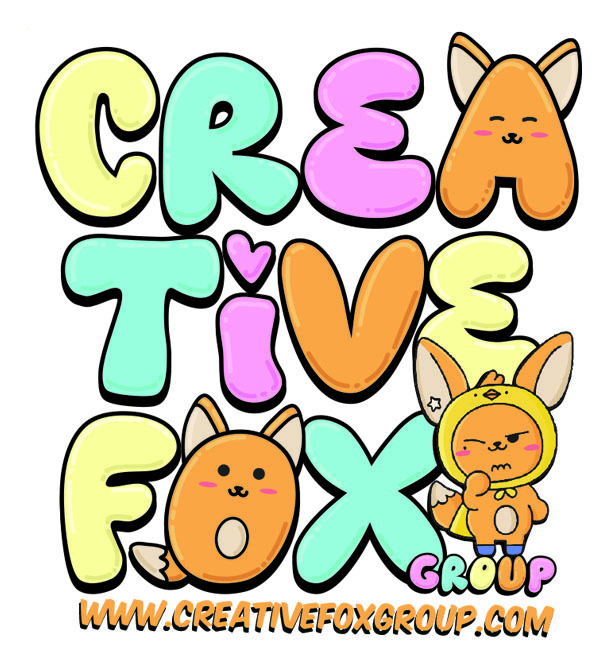
Creative Fox Design for shirt.

Typography is stepping out of the background and becoming a lead character in design. In 2026, oversized letters, expressive layouts, and playful or distorted type are being used to carry emotion and tone before a single word is read. As audiences scroll faster and read less, type has to communicate feeling instantly, not just information. When typography becomes part of the story instead of a label, it gives brands a stronger first impression and a clearer personality at first glance.

4. Warm and personal visual style

Design in 2026 is becoming softer and more emotionally open as brands prioritize connection over perfection. Warmer color palettes, inclusive imagery, and human centered visuals create an immediate sense of approachability that polished design often lacks. As AI continues to accelerate content production, warmth becomes the differentiator. Brands that feel welcoming, personal, and emotionally aware will stand out in a crowded digital space because people don’t connect with flawless visuals, they connect with feeling.

MD Construction Pool enclosure ad featuring a mom playing with a baby in the pool.

5. Editorial inspired design that feels timeless

Magazine style layouts are resurfacing as brands move toward designs that feel intentional, confident, and built to last. Thoughtful typography and generous white space create structure and breathing room, allowing content to be absorbed instead of rushed past. In a visually noisy world, this approach signals clarity and restraint. It feels modern without chasing trends and refined without feeling cold, helping brands communicate with confidence rather than clutter.

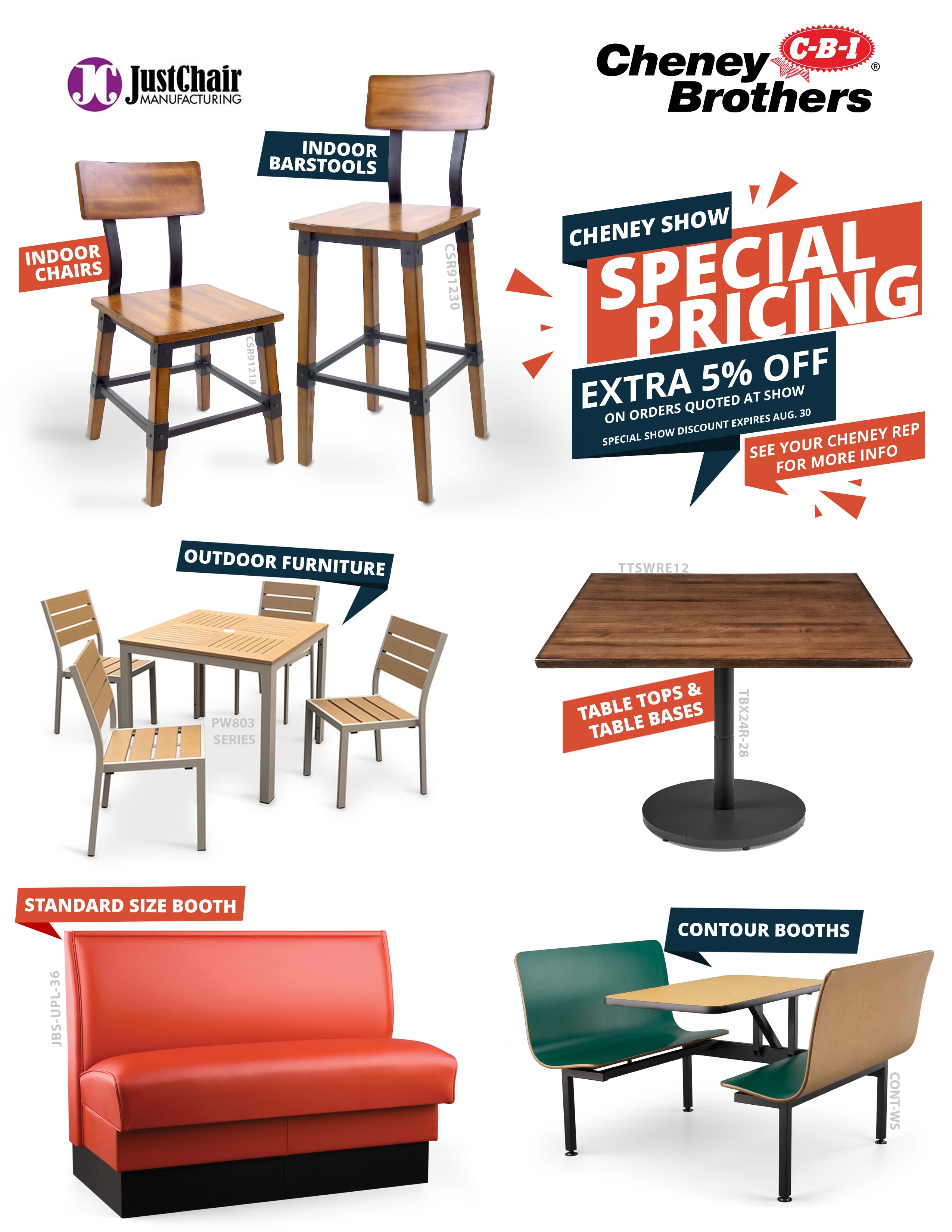
Just Chair ad for the Cheney Show.

Into the New Year

The real shift from 2025 to 2026 is intention. Design is no longer about proving what tools can do or chasing trends for the sake of it. It is about making better decisions that lead to work people actually connect with.

The brands that stand out will be the ones that use technology with purpose, trust human creativity, and design with feeling and clarity. When tools support creativity instead of replacing it, design feels thoughtful, memorable, and worth paying attention to.

Behind the Scenes: How We Capture Content That Helps Our Clients Stand Out

Behind the Scenes: How We Capture Content That Helps Our Clients Stand Out

This past Saturday, we were at Holiday on Central in Winter Haven, where one of our clients was an event sponsor. They chose to sponsor the custom Christmas ornament that attendees received at the welcome table. Even though they weren’t present at the event, their brand still made a strong impression, and we were there to capture it.

Custom ornament for Holiday on Central promotion.

At Creative Fox Group we don’t wait for content to show up in our inbox. We go out and create it. For this event we not only designed the ornament, we also helped create an ad that ran in the local magazine promoting the upcoming Holiday on Central event. Then we attended the event to record promotional video that highlights the client’s community involvement and gives them meaningful content they can use across platforms.

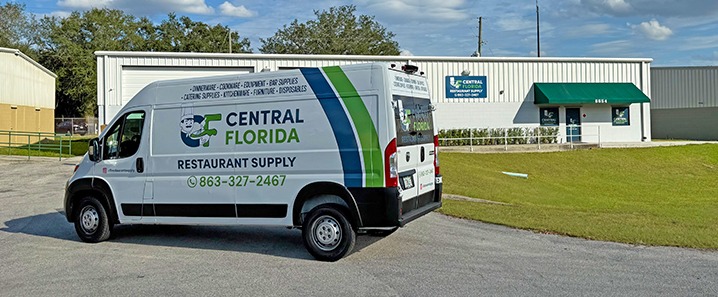
Central Florida Restaurant Supply van and building.

Every client we work with has different needs, and our approach adapts to fit them. For MD Construction that often means capturing completed projects with professional photos and drone footage that become powerful marketing visuals. For another one of our clients, Central Florida Restaurant Supply, it means filming installs, showroom displays, and product features that support both their in-store customers and the foodservice community they serve. For Trinity Baptist Church, it means attending special events and services and creating weekly content that highlights sermon notes and keeps their congregation connected.

No matter the industry the goal is the same. We capture the moments, projects, and experiences that keep each client’s website, Google Business Profile, and marketing materials updated with fresh, relevant content. Our clients are busy doing what they do best, and they trust us to handle the marketing that keeps their brand visible, active, and competitive. By staying present at events, on job sites, and behind the scenes, we make sure potential customers get an authentic look at who they are and the impact they make in the community.

Ready to elevate your marketing with fresh, meaningful content? Let’s talk about how Creative Fox Group can support your business.


5 Marketing Lessons From Viral Scandals

5 Marketing Lessons From Viral Scandals

Marketing Beyond Campaigns

Marketing isn’t just ads, logos, or social media campaigns. In today’s always-online world, every action is marketing. A CEO’s behavior, a fan’s outburst, even how a company responds to a mistake, these moments shape brand perception more than polished campaigns ever could.

Recent viral scandals remind us that you are your brand. Here are 5 lessons every company can learn.

1. Leadership Is Marketing

The situation: In July 2025, Astronomer CEO Andy Byron was caught on a Coldplay concert’s jumbotron kissing his company’s Head of HR. A moment that might have been brushed off in private became a global headline. Within days, Byron resigned. For Astronomer, the fallout wasn’t just about losing a leader, it became a conversation about company culture, professionalism, and trust.

Lesson for all companies:

  • Leadership actions are never private. They represent the brand, whether in the boardroom or the stands.

  • When leaders stumble, years of marketing investments can be overshadowed in a single viral clip.

  • Companies must provide conduct training, hold leaders accountable, and prepare crisis-response plans so they can act swiftly when necessary.

You can also view our blog showing how companies used this embarrassing moment for their own marketing efforts. 

Kissing ceo from Coldplay concert.

2. Reputation Is Marketing

The situation: At the U.S. Open in August 2025, Polish businessman Piotr Szczerek, co-owner of paving-stone company Drogbruk, was filmed grabbing a signed tennis cap from a young boy named Brock. The internet exploded. Outrage wasn’t just directed at him, but at his company:

  • Drogbruk’s Trustpilot rating dropped to ~1.1 stars.

  • Google reviews sank to ~1.2 stars, with angry reviews pouring in from around the world.

  • News outlets tied Szczerek’s personal behavior directly to his business, effectively branding the company as greedy and arrogant.

His eventual apology was criticized as insincere, and his attempt to delete social media accounts only amplified the backlash. Read about the apology here.

CEO hat snatcher

Lesson for all companies:

  • Your online reputation is your marketing. Reviews, search results, and social mentions influence customers more than ad copy ever could.

  • A leader’s personal behavior can become the company’s defining story.

  • Monitor sentiment daily, respond transparently, and treat online reputation management like part of your marketing strategy.

Szczerek issued an apology and returned the hat, but the damage was done. What stood out even more was how the player, Kamil Majchrzak, stepped in to reunite with the boy and make the situation right, turning himself into the hero of the story.

3. Response Is Marketing

The situation: On September 5, 2025, during a Phillies–Marlins game, father Drew Feltwell retrieved a home run ball for his son Lincoln. Moments later, a woman, dubbed “Phillies Karen”, ran up, demanding the ball and insisting it was hers. The father, not wanting a confrontation, gave it to her. The clip went viral, leaving viewers outraged.

The real story, though, became about the response. The Marlins staff gifted Lincoln a swag bag, and Phillies player Harrison Bader surprised him with a signed bat. Their quick, empathetic actions reframed the story as one of kindness and fan appreciation, generating national headlines that cast the teams in a positive light.

Lesson for all companies:

  • Mistakes and conflicts are inevitable, but the response defines the brand.

  • Quick, empathetic, and visible gestures can flip negative press into free positive PR.

  • Cold or corporate responses fuel distrust, human ones build loyalty.

The Philly Karen.

4. Culture Is Marketing

In each of these viral stories, the root issue wasn’t just the moment itself, but what it implied about company culture:

  • At Astronomer, blurred boundaries between leadership and HR raised questions about fairness.

  • At Drogbruk, entitlement at the top sparked assumptions about arrogance baked into the brand.

  • In the Phillies game, fans appreciated that the Marlins and Bader stepped up to make it right.

Lesson for all companies:

  • Marketing promises must align with company culture. If you sell trust, fairness, or family values externally but fail to uphold them internally, the gap will be exposed.

  • Employees and leaders are brand ambassadors. Their actions, in public and private , signal your culture to the world.

  • Culture isn’t just HR policy, it’s a marketing asset.

5. Every Action Is Marketing

None of these moments were planned campaigns. They weren’t commercials, slogans, or product launches. They were unfiltered, real-world actions, and that’s exactly why they mattered. The internet amplified them into global stories, shaping brand perception overnight.

Lesson for all companies:

  • Marketing doesn’t just happen in your campaigns. It happens when a customer leaves a review, when a leader makes a choice in public, or when employees post on social media.

  • In a digital-first world, everything is content. The question is: what story are you telling?

  • Every action your company takes is an opportunity to either market trust and empathy — or scandal and arrogance.

You are your brand. In an always-online world, marketing isn’t just what you say,  it’s what you do. Every leader, every employee, every moment is part of your marketing strategy.