a
Creative Fox Marketing Group Logo
Creative Fox Group logo in white for dark backgrounds
The 5 Purchases We Almost Skipped That Ended Up Being Game Changers

The 5 Purchases We Almost Skipped That Ended Up Being Game Changers

Not every smart purchase feels smart at the time. Some of the most useful tools in our creative workflow were the ones we hesitated on, questioned, or bought on a whim. They didn’t look impressive in a cart, and a few of them felt unnecessary until we used them once and never looked back.

This list isn’t ranked, and none of these are sponsored or affiliated purchases. These are just products we bought ourselves, almost skipped, and are now glad we didn’t.

An umbrella for phone and camera setups

This one came from a mistake we don’t plan to repeat. During a time-lapse shoot, our phone overheated from sitting in direct sunlight and shut down halfway through recording. Since adding a small umbrella that clamps to our tripod, overheating has stopped being an issue. It blocks direct sun, keeps devices at a safer temperature, and allows us to confidently leave cameras running for longer periods. As a bonus, it also provides light rain protection, which is especially helpful for outdoor shoots where weather can change quickly. It’s a simple fix that protects both our equipment and our time. 
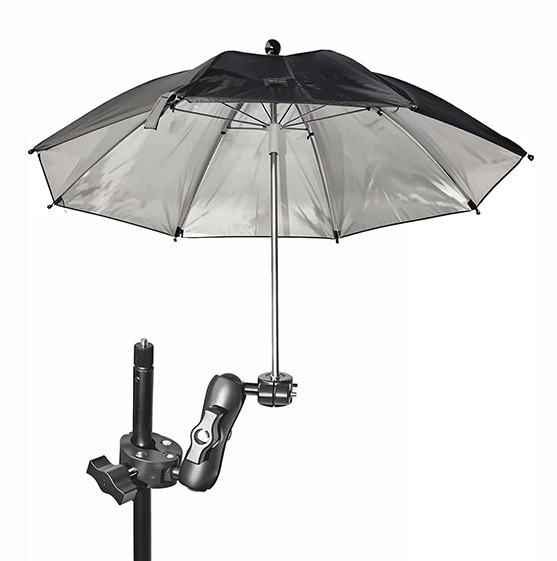
Umbrella to attach to tripod to prevent phone from overheating in the sun.

Source: Amazon

A copy and paste button
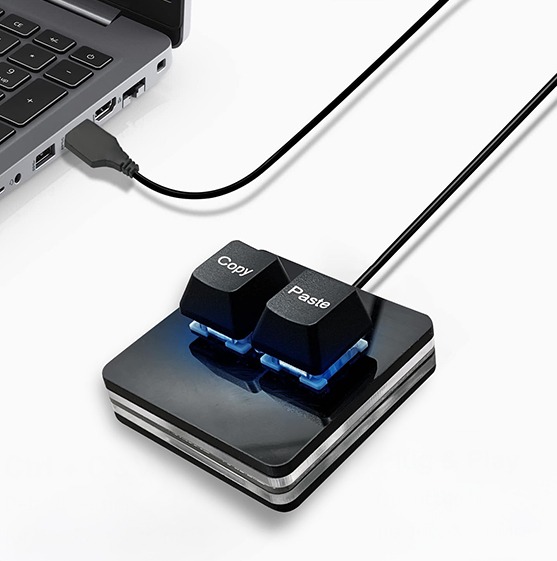
Copy Paste Button a dedicated button reduces repetitive hand movements.

Source: Amazon

We were skeptical about this one. A physical copy and paste button felt unnecessary, almost gimmicky. Instead, it became one of the most used tools on our desk. When your work involves constant writing, editing, and design, copying and pasting happens hundreds of times a day. Having a dedicated button reduces repetitive hand movements and speeds up those tiny tasks that quietly eat up time. The result is less friction in our workflow and fewer interruptions when we’re in the middle of focused work. It’s a small change that adds up over the course of a week.

A flexible tripod and camera holder

There are plenty of camera stabilizing options out there, ranging from high end gear to full production setups. As a startup, we chose a more budget friendly flexible tripod, and it’s worked perfectly for what we need right now. Before this, we tried to make handheld shots work more often than we should have, and it showed. The flexible tripod gave us stable footage without pulling out a full size tripod, kept fingers out of frame, and allowed for quick, easy setups. We can place it on a surface, wrap it around railings, or use it as a small stand for hands free recording. It also lets us step away from the camera while filming, making time lapses, walkthroughs, and behind the scenes content much easier to capture cleanly. If we ever outgrow it, we’ll upgrade, but for now, this simple option gets the job done.

Flexible budget friendly tripod for stabilization

Source: Amazon

A foldable Bluetooth keyboard

Foldable keyboard for easy transportation for tablet or phone.

Source: Amazon

Working from an iPad is convenient, but typing on a touchscreen all day isn’t efficient. We almost skipped this foldable keyboard, assuming it would feel awkward or flimsy. Instead, it gave us the flexibility of a laptop without the bulk. The layout feels familiar, it connects quickly, and it folds down small enough to toss in a bag. It made working outside the office easier and more comfortable, letting us respond to emails, edit content, and get real work done without carrying extra weight. While we picked ours up from Aldi for ten dollars, we’ve found similar options available online as well.

A drone launch pad

Launching a drone in real world environments isn’t always ideal. Many of our shoots take place in finished backyards where dirt, gravel, and grass can interfere with takeoff. The drone launch pad gives us a clean, controlled surface for both launching and landing. It protects the drone from debris, prevents grass from clipping the blades, and adds consistency to every flight. It also creates a more professional setup on site, which matters when working around completed spaces and clients’ homes. They don’t have the orange pad available at this time, you can find the same pad in red on Amazon.
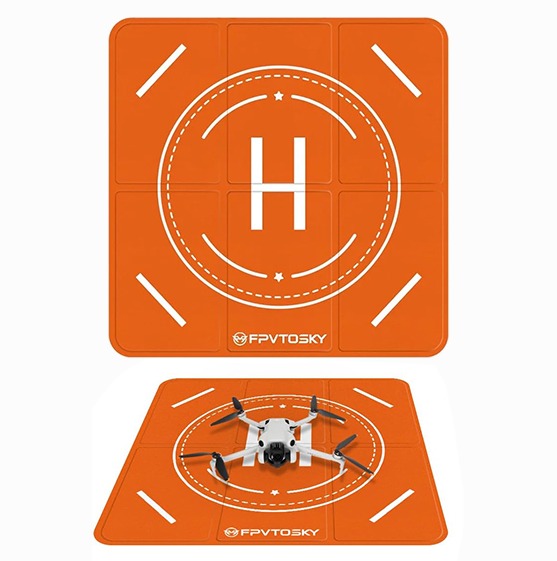
Launch pad for drone to have clean take off and landings.

Honorable mention: Wireless mic

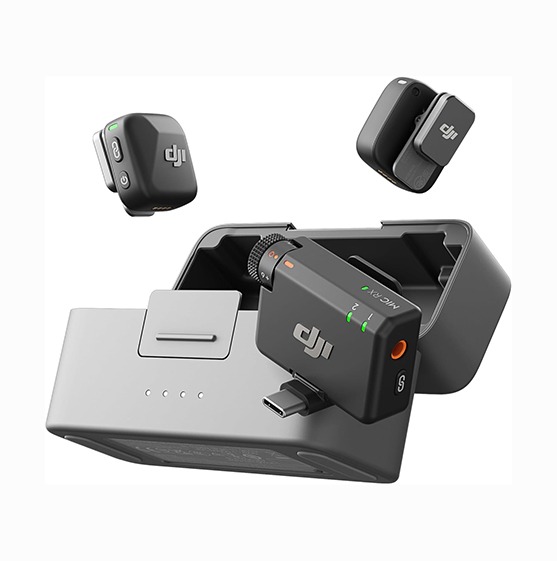
DJI Mic Mini (2 TX + 1 RX + Charging Case), Wireless Lavalier Microphone for iPhone/Camera/Android

Source: Amazon

Audio quality is easy to overlook until it becomes a problem, which is why this one earns an honorable mention. It’s not an out-of-the-box purchase most people think about, but it’s a necessary upgrade that’s often overlooked. We started with phone microphones, but the quality was inconsistent and frequently picked up unwanted background noise. Switching to a wireless lav mic instantly improved clarity and reliability. Recordings sound cleaner, require less editing, and work seamlessly across both phones and cameras. For voiceovers, interviews, and on site content, this upgrade made a noticeable difference in the final product.

Final Thoughts

None of these purchases were flashy or expensive, but each one solved a real problem we were working around every day. They saved time, improved quality, and made our workflow more efficient without adding complexity. The biggest takeaway is that the right tools don’t have to be perfect or high end. They just have to work for where you are right now. At Creative Fox, we’re always looking for ways to work smarter, not harder, and sometimes that starts with noticing the small things and choosing better tools for the job.

Graphic Design Trends for 2026 You Need to Know

Graphic Design Trends for 2026 You Need to Know

If 2025 taught us anything, it’s that AI didn’t just speed up design. It reshaped it. This year was filled with AI powered images that were sharp, surreal, and sometimes wildly polished. Feeds were full of perfect lighting, flawless symmetry, and visuals that felt impressive but often a little too smooth.

As we head into 2026, the shift is clear. Designers aren’t abandoning AI. They’re pushing back against sameness. The trends ahead are about adding humanity back into the process. More personality. More texture. More feeling. Here’s what we’re seeing rise to the top.

1. Imperfect, hand made, and proudly human

The polished, too perfect look is losing ground because audiences can feel how manufactured it is. In 2026, design is shifting toward scribbles, texture, collage, and organic details that signal a real human hand behind the work. Rough edges, visible grain, and layered elements create visual friction that stops the scroll and builds trust in a way flawless layouts no longer do. As AI generated visuals become easier and more common, imperfection is turning into a differentiator. This style feels more honest, more approachable, and more intentional, helping brands stand out by feeling real instead of automated

2. Characters as brand ambassadors, not just decoration

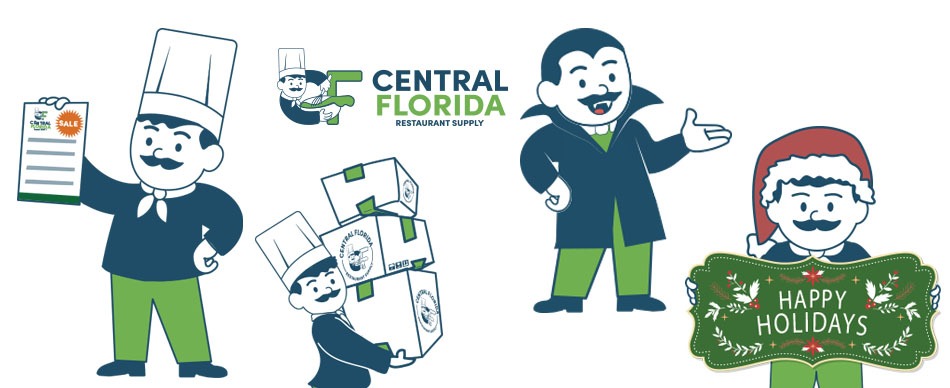
Mascot for Central Florida Restaurant Supply.

Brand characters are making a comeback because they solve a growing connection gap. Logos are recognizable, but they don’t build relationships. Characters do. In 2026, mascots and illustrated brand figures are being reimagined as consistent personalities that show up across websites, packaging, social media, and motion content, giving brands a face people can connect with. As attention spans shrink and competition increases, characters make brands easier to remember, easier to trust, and easier to root for. This shift signals a move toward story driven identities where brands feel familiar over time, not just visually recognizable in a single moment.

3. Typography that acts like the main character

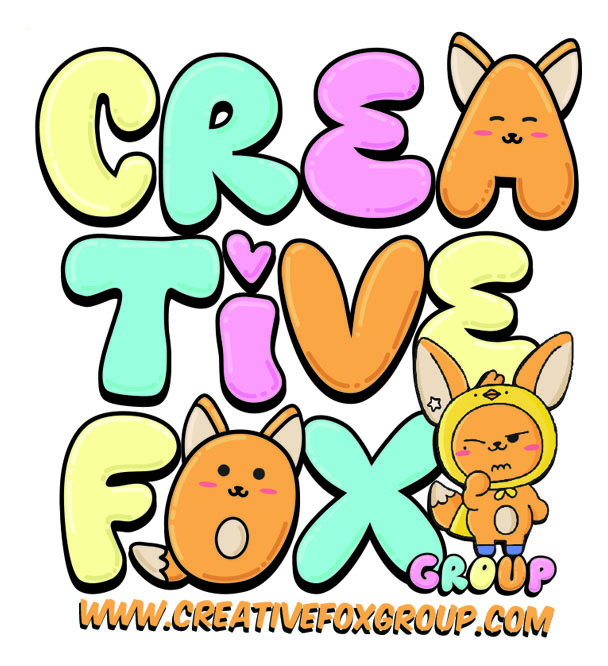
Creative Fox Design for shirt.

Typography is stepping out of the background and becoming a lead character in design. In 2026, oversized letters, expressive layouts, and playful or distorted type are being used to carry emotion and tone before a single word is read. As audiences scroll faster and read less, type has to communicate feeling instantly, not just information. When typography becomes part of the story instead of a label, it gives brands a stronger first impression and a clearer personality at first glance.

4. Warm and personal visual style

Design in 2026 is becoming softer and more emotionally open as brands prioritize connection over perfection. Warmer color palettes, inclusive imagery, and human centered visuals create an immediate sense of approachability that polished design often lacks. As AI continues to accelerate content production, warmth becomes the differentiator. Brands that feel welcoming, personal, and emotionally aware will stand out in a crowded digital space because people don’t connect with flawless visuals, they connect with feeling.

MD Construction Pool enclosure ad featuring a mom playing with a baby in the pool.

5. Editorial inspired design that feels timeless

Magazine style layouts are resurfacing as brands move toward designs that feel intentional, confident, and built to last. Thoughtful typography and generous white space create structure and breathing room, allowing content to be absorbed instead of rushed past. In a visually noisy world, this approach signals clarity and restraint. It feels modern without chasing trends and refined without feeling cold, helping brands communicate with confidence rather than clutter.

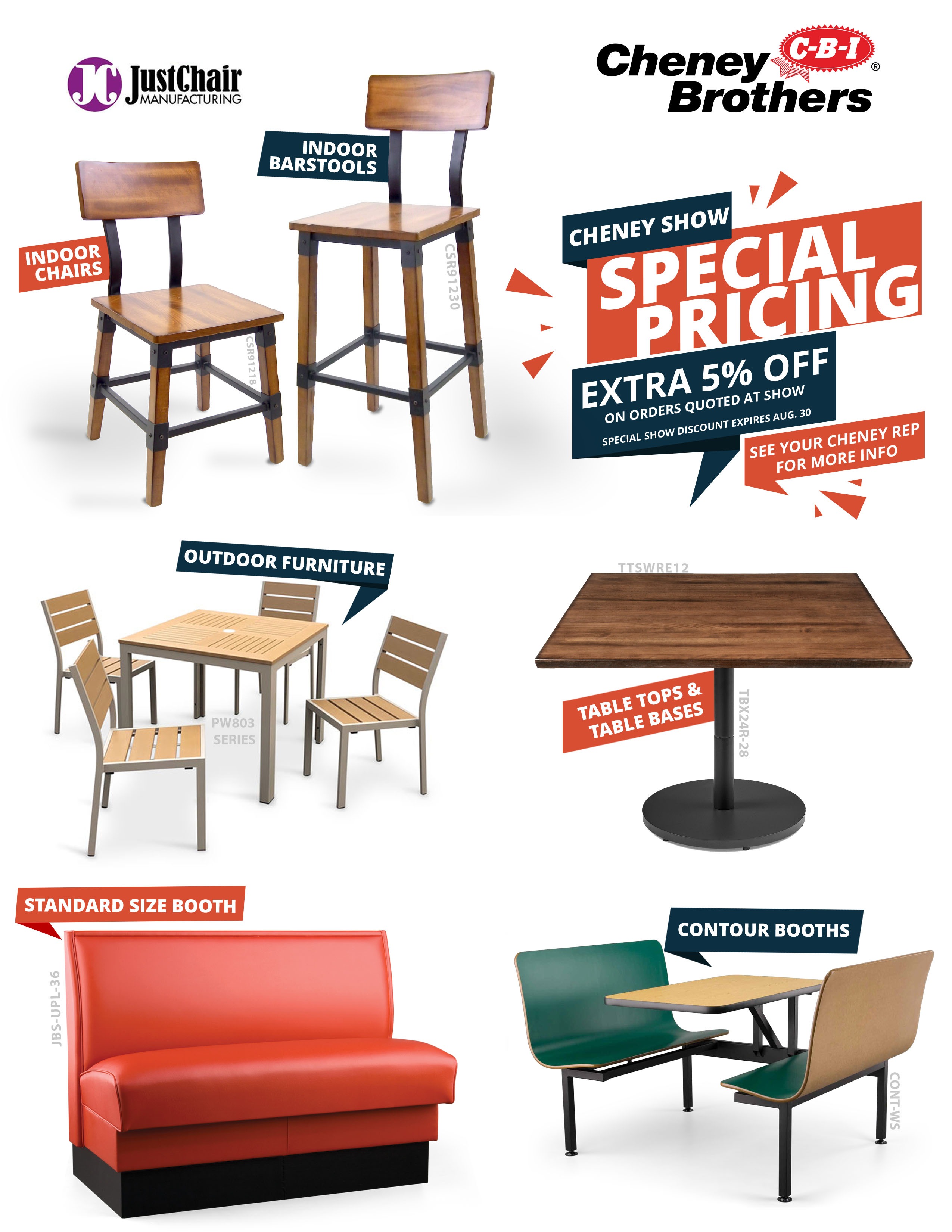
Just Chair ad for the Cheney Show.

Into the New Year

The real shift from 2025 to 2026 is intention. Design is no longer about proving what tools can do or chasing trends for the sake of it. It is about making better decisions that lead to work people actually connect with.

The brands that stand out will be the ones that use technology with purpose, trust human creativity, and design with feeling and clarity. When tools support creativity instead of replacing it, design feels thoughtful, memorable, and worth paying attention to.

Behind the Scenes: How We Capture Content That Helps Our Clients Stand Out

Behind the Scenes: How We Capture Content That Helps Our Clients Stand Out

This past Saturday, we were at Holiday on Central in Winter Haven, where one of our clients was an event sponsor. They chose to sponsor the custom Christmas ornament that attendees received at the welcome table. Even though they weren’t present at the event, their brand still made a strong impression, and we were there to capture it.

Custom ornament for Holiday on Central promotion.

At Creative Fox Group we don’t wait for content to show up in our inbox. We go out and create it. For this event we not only designed the ornament, we also helped create an ad that ran in the local magazine promoting the upcoming Holiday on Central event. Then we attended the event to record promotional video that highlights the client’s community involvement and gives them meaningful content they can use across platforms.

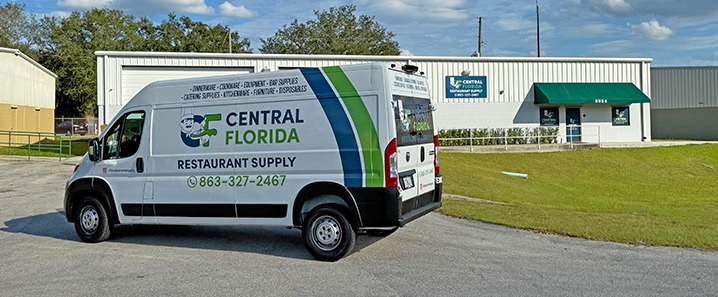
Central Florida Restaurant Supply van and building.

Every client we work with has different needs, and our approach adapts to fit them. For MD Construction that often means capturing completed projects with professional photos and drone footage that become powerful marketing visuals. For another one of our clients, Central Florida Restaurant Supply, it means filming installs, showroom displays, and product features that support both their in-store customers and the foodservice community they serve. For Trinity Baptist Church, it means attending special events and services and creating weekly content that highlights sermon notes and keeps their congregation connected.

No matter the industry the goal is the same. We capture the moments, projects, and experiences that keep each client’s website, Google Business Profile, and marketing materials updated with fresh, relevant content. Our clients are busy doing what they do best, and they trust us to handle the marketing that keeps their brand visible, active, and competitive. By staying present at events, on job sites, and behind the scenes, we make sure potential customers get an authentic look at who they are and the impact they make in the community.

Ready to elevate your marketing with fresh, meaningful content? Let’s talk about how Creative Fox Group can support your business.


How to Get a Part 107 Unmanned Aircraft License and Pass the FAA Drone Exam

How to Get a Part 107 Unmanned Aircraft License and Pass the FAA Drone Exam

As part of our digital marketing services, one of our responsibilities is capturing high-quality photographs of client projects for their portfolios. We normally use a DSLR to shoot from multiple angles, but we realized something was missing. A view from the sky would add a new dimension and make the images more appealing.

That’s when we decided to invest in a drone. Offering unique aerial shots not only elevates our photography but also shows clients that we’re always looking for ways to improve their brand, even if it goes beyond the original scope of work.

Understanding the FAA Part 107 License

Once we made the decision, we researched the rules for flying a drone as a business. The Federal Aviation Administration (FAA) requires anyone flying commercially to have a Title 14 Code of Federal Regulations Part 107 Remote Pilot Certificate, commonly called a Part 107 license.

To obtain this certification, you must pay a $175 testing fee. The fee applies whether you pass or fail, and retakes cost the same — similar to taking the SAT or ACT. I wanted to make sure I was prepared, so I started by watching free YouTube videos. While some were helpful, most were dry and difficult to stay focused on

“If you have a small drone that is less than 55 pounds, you can fly for work or business by following the Part 107 guidelines.”

Choosing the Right Training Course

I continued searching for better study options and came across several paid online training courses, ranging from $60 to $350. Many offered a guarantee that if you failed the exam, they would pay for you to retake it. That gave me peace of mind, knowing these programs had to be competitive if they were willing to put money on the line.

After comparing options, I chose Drone Pilot Ground School. Their free demo course was clear and easy to understand, and they offer lifetime access in case FAA regulations change. Positive reviews from other students also influenced my decision. I’ve made a blog about Do Customer Reviews Matter, so I encourage you to leave them if you do not!

The course itself took about 20 hours to complete. I spent 2½ weeks working through the material and another week taking practice exams. In total, the process took four weeks from start of the course to exam day at an official testing center.

Drone course completion certificate from Drone Pilot Ground School

Passing the Exam and Moving Forward

I’m excited to share that I passed the exam on my first attempt! Now, Creative Fox Group can offer drone photography and videography as part of our marketing service package.

With a drone, we can capture client projects from above, create engaging reels for social media, and highlight services in ways that truly stand out. Our goal has always been to keep improving the quality of care we provide to our clients. Adding drone capabilities is another way we deliver on that promise.

Thank you for reading this weeks blog! If you’re not following us on social media, then please consider!

5 Marketing Lessons From Viral Scandals

5 Marketing Lessons From Viral Scandals

Marketing Beyond Campaigns

Marketing isn’t just ads, logos, or social media campaigns. In today’s always-online world, every action is marketing. A CEO’s behavior, a fan’s outburst, even how a company responds to a mistake, these moments shape brand perception more than polished campaigns ever could.

Recent viral scandals remind us that you are your brand. Here are 5 lessons every company can learn.

1. Leadership Is Marketing

The situation: In July 2025, Astronomer CEO Andy Byron was caught on a Coldplay concert’s jumbotron kissing his company’s Head of HR. A moment that might have been brushed off in private became a global headline. Within days, Byron resigned. For Astronomer, the fallout wasn’t just about losing a leader, it became a conversation about company culture, professionalism, and trust.

Lesson for all companies:

  • Leadership actions are never private. They represent the brand, whether in the boardroom or the stands.

  • When leaders stumble, years of marketing investments can be overshadowed in a single viral clip.

  • Companies must provide conduct training, hold leaders accountable, and prepare crisis-response plans so they can act swiftly when necessary.

You can also view our blog showing how companies used this embarrassing moment for their own marketing efforts. 

Kissing ceo from Coldplay concert.

2. Reputation Is Marketing

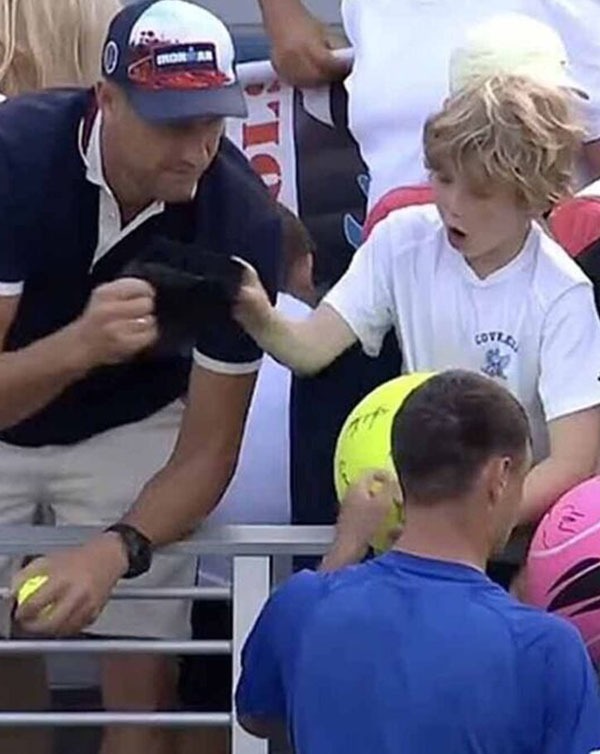
The situation: At the U.S. Open in August 2025, Polish businessman Piotr Szczerek, co-owner of paving-stone company Drogbruk, was filmed grabbing a signed tennis cap from a young boy named Brock. The internet exploded. Outrage wasn’t just directed at him, but at his company:

  • Drogbruk’s Trustpilot rating dropped to ~1.1 stars.

  • Google reviews sank to ~1.2 stars, with angry reviews pouring in from around the world.

  • News outlets tied Szczerek’s personal behavior directly to his business, effectively branding the company as greedy and arrogant.

His eventual apology was criticized as insincere, and his attempt to delete social media accounts only amplified the backlash. Read about the apology here.

CEO hat snatcher

Lesson for all companies:

  • Your online reputation is your marketing. Reviews, search results, and social mentions influence customers more than ad copy ever could.

  • A leader’s personal behavior can become the company’s defining story.

  • Monitor sentiment daily, respond transparently, and treat online reputation management like part of your marketing strategy.

Szczerek issued an apology and returned the hat, but the damage was done. What stood out even more was how the player, Kamil Majchrzak, stepped in to reunite with the boy and make the situation right, turning himself into the hero of the story.

3. Response Is Marketing

The situation: On September 5, 2025, during a Phillies–Marlins game, father Drew Feltwell retrieved a home run ball for his son Lincoln. Moments later, a woman, dubbed “Phillies Karen”, ran up, demanding the ball and insisting it was hers. The father, not wanting a confrontation, gave it to her. The clip went viral, leaving viewers outraged.

The real story, though, became about the response. The Marlins staff gifted Lincoln a swag bag, and Phillies player Harrison Bader surprised him with a signed bat. Their quick, empathetic actions reframed the story as one of kindness and fan appreciation, generating national headlines that cast the teams in a positive light.

Lesson for all companies:

  • Mistakes and conflicts are inevitable, but the response defines the brand.

  • Quick, empathetic, and visible gestures can flip negative press into free positive PR.

  • Cold or corporate responses fuel distrust, human ones build loyalty.

The Philly Karen.

4. Culture Is Marketing

In each of these viral stories, the root issue wasn’t just the moment itself, but what it implied about company culture:

  • At Astronomer, blurred boundaries between leadership and HR raised questions about fairness.

  • At Drogbruk, entitlement at the top sparked assumptions about arrogance baked into the brand.

  • In the Phillies game, fans appreciated that the Marlins and Bader stepped up to make it right.

Lesson for all companies:

  • Marketing promises must align with company culture. If you sell trust, fairness, or family values externally but fail to uphold them internally, the gap will be exposed.

  • Employees and leaders are brand ambassadors. Their actions, in public and private , signal your culture to the world.

  • Culture isn’t just HR policy, it’s a marketing asset.

5. Every Action Is Marketing

None of these moments were planned campaigns. They weren’t commercials, slogans, or product launches. They were unfiltered, real-world actions, and that’s exactly why they mattered. The internet amplified them into global stories, shaping brand perception overnight.

Lesson for all companies:

  • Marketing doesn’t just happen in your campaigns. It happens when a customer leaves a review, when a leader makes a choice in public, or when employees post on social media.

  • In a digital-first world, everything is content. The question is: what story are you telling?

  • Every action your company takes is an opportunity to either market trust and empathy — or scandal and arrogance.

You are your brand. In an always-online world, marketing isn’t just what you say,  it’s what you do. Every leader, every employee, every moment is part of your marketing strategy.

AI SEO Explained: How Search Is Changing in 2025

AI SEO Explained: How Search Is Changing in 2025

SEO isn’t dead, but it’s changing faster than most businesses realize. In 2025, more people are getting answers from AI-driven platforms like Google’s Search Generative Experience (SGE), ChatGPT, Bing AI, and Gemini instead of clicking traditional search results. That shift means businesses can no longer rely on keyword-stuffed blogs and generic web pages to get noticed.

AI SEO is the new way forward. It’s the practice of optimizing content not just for Google rankings, but for AI-powered engines that deliver direct answers. In this article, we’ll explain what AI SEO is, how search is evolving, and what you need to do now to prepare your business for the future of search.

What Is AI SEO?

Q: What is AI SEO?
AI SEO is the process of optimizing your content so it appears in AI-powered search results, like Google SGE, ChatGPT, or Bing AI. Instead of focusing only on keywords, AI SEO emphasizes structured answers, conversational tone, and trustworthy signals that AI can easily parse and cite.

Unlike traditional SEO, which centers on ranking in the “10 blue links,” AI SEO is about making your content the go-to answer for conversational queries, voice search, and AI chat responses.

How Search Is Changing in 2025

Search engines are no longer just lists of links. They’re becoming answer engines.

  • AI-Generated Answers in Google (SGE): Google SGE now displays AI summaries at the top of results. Studies show a nearly 30% drop in clicks to traditional websites because users get answers without leaving the search page.

  • Answer Engine Optimization (AEO): AI assistants like ChatGPT and Gemini prioritize content written in question-and-answer format. They reward concise, direct responses supported by deeper detail.

  • Generative Engine Optimization (GEO): Generative engines (like ChatGPT) cite authoritative, structured, data-driven content. Pages with original insights, statistics, and clear formatting are more likely to be included in AI responses.

This means businesses must optimize for visibility inside AI results and not just Google rankings.

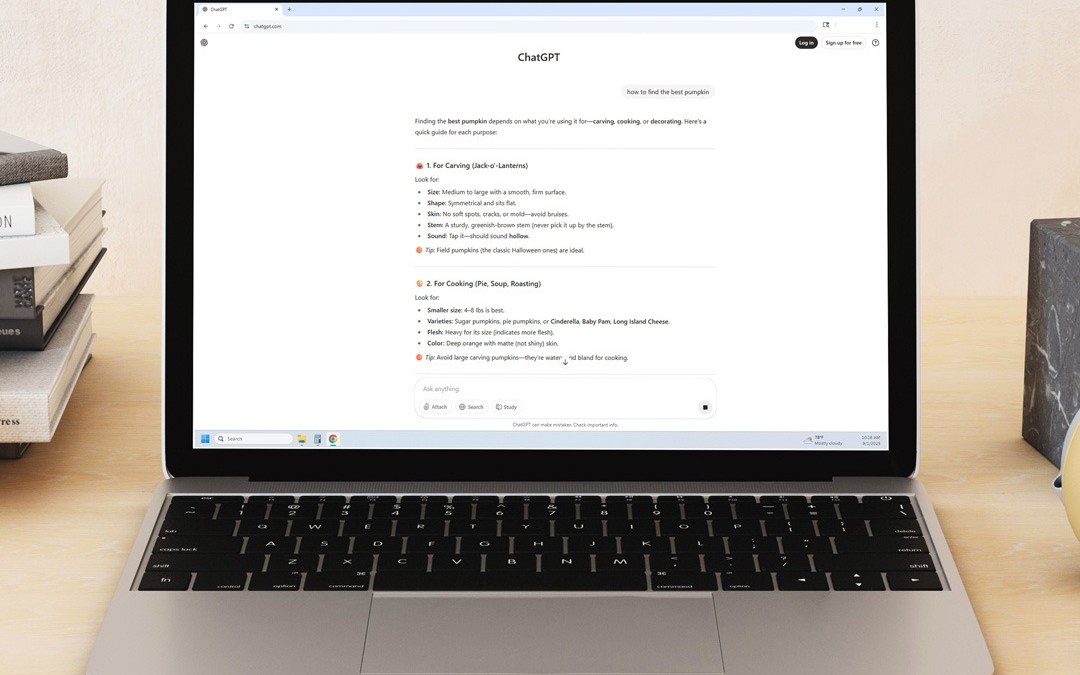
Google AI Overview shown on a iPhone looking at pumpkins.

Why AI SEO Matters for Businesses

For a business, the stakes are high. If customers ask AI tools for recommendations and your business doesn’t appear, you’re invisible.

AI SEO matters because:

  • Consumers are shifting their searches from Google to AI tools.

  • AI favors content with FAQs, case studies, and conversational answers.

  • Structured data (schema) signals to AI: “this content is safe and reliable.”

  • Businesses that adapt now can leap ahead of competitors still stuck on outdated SEO tactics.

How to Prepare for AI SEO (Action Steps)

Here are six practical steps to get ready for AI-driven search:

  • Add FAQ and HowTo Schema
    – Use Yoast Pro’s FAQ block to embed structured Q&As on service pages and blogs.
    – This schema is what AI scrapers pull first.
  • Write in Q&A Format
    – Structure blogs as: Question → Short Answer → Deep Dive.
    – Voice search and AI love direct, conversational responses.
  • Publish Unique Data & Insights
    – Share case studies, client results, or local industry stats. Example: “72% of our Polk County branding projects get completed in under 30 days.”
  • Build Topical Authority
    – Create pillar pages (e.g., “The Ultimate Guide to Branding in 2025”) and link smaller cluster posts into it.
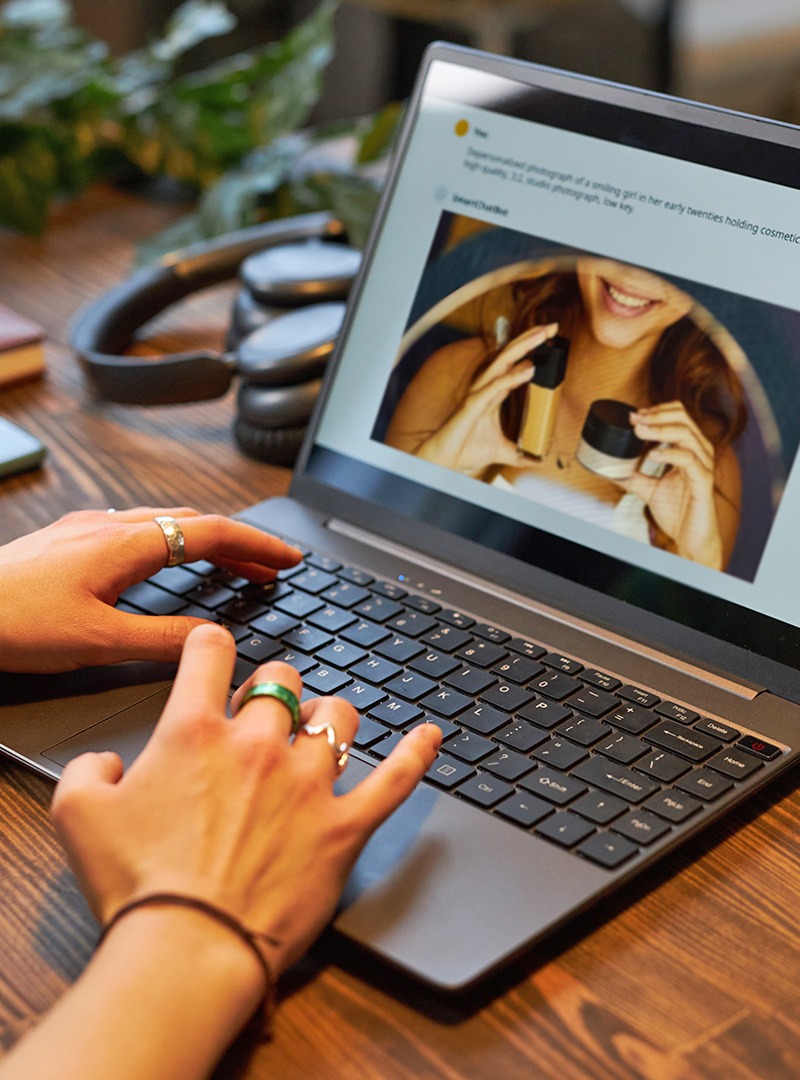
Customer looking at a product on laptop.
  • Optimize for User Experience
  • – Fast load speed, mobile responsiveness, and clear formatting boost both SEO and AI visibility.
  • Track AI Search Results
    – Test queries in Google SGE, ChatGPT, and Bing.
    – Refine content if your answers don’t appear.

The rules of search are changing. SEO is no longer about who can stuff the most keywords into a page — it’s about who can provide the clearest, most trustworthy answers that AI wants to use.

If your business isn’t preparing for AI SEO, you risk falling behind. But with the right structure, schema, and strategy, you can turn AI search into your biggest growth engine.

Ready to get your business found in AI search? Contact Creative Fox Group today.