



If 2025 taught us anything, it’s that AI didn’t just speed up design. It reshaped it. This year was filled with AI powered images that were sharp, surreal, and sometimes wildly polished. Feeds were full of perfect lighting, flawless symmetry, and visuals that felt impressive but often a little too smooth.
As we head into 2026, the shift is clear. Designers aren’t abandoning AI. They’re pushing back against sameness. The trends ahead are about adding humanity back into the process. More personality. More texture. More feeling. Here’s what we’re seeing rise to the top.
1. Imperfect, hand made, and proudly human
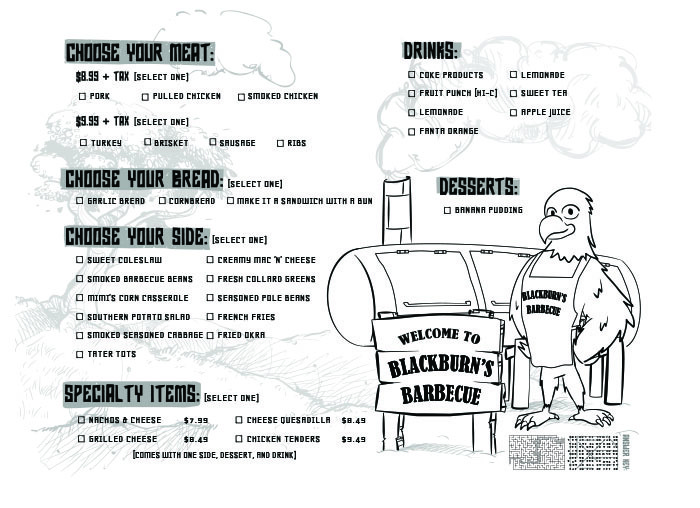
The polished, too perfect look is losing ground because audiences can feel how manufactured it is. In 2026, design is shifting toward scribbles, texture, collage, and organic details that signal a real human hand behind the work. Rough edges, visible grain, and layered elements create visual friction that stops the scroll and builds trust in a way flawless layouts no longer do. As AI generated visuals become easier and more common, imperfection is turning into a differentiator. This style feels more honest, more approachable, and more intentional, helping brands stand out by feeling real instead of automated
2. Characters as brand ambassadors, not just decoration
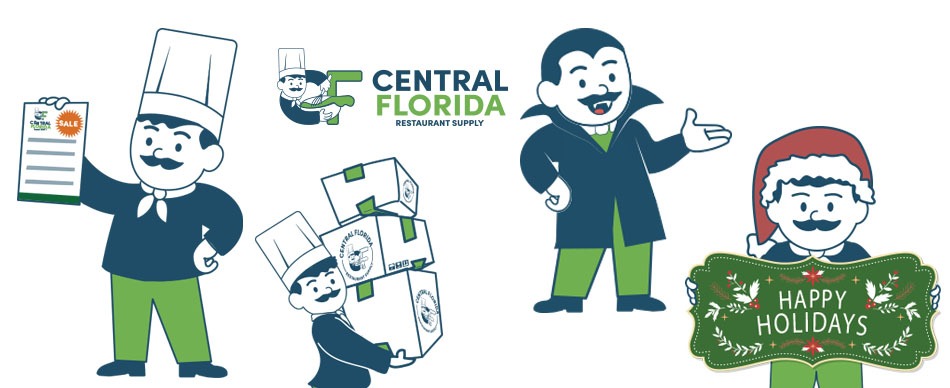
Brand characters are making a comeback because they solve a growing connection gap. Logos are recognizable, but they don’t build relationships. Characters do. In 2026, mascots and illustrated brand figures are being reimagined as consistent personalities that show up across websites, packaging, social media, and motion content, giving brands a face people can connect with. As attention spans shrink and competition increases, characters make brands easier to remember, easier to trust, and easier to root for. This shift signals a move toward story driven identities where brands feel familiar over time, not just visually recognizable in a single moment.
3. Typography that acts like the main character
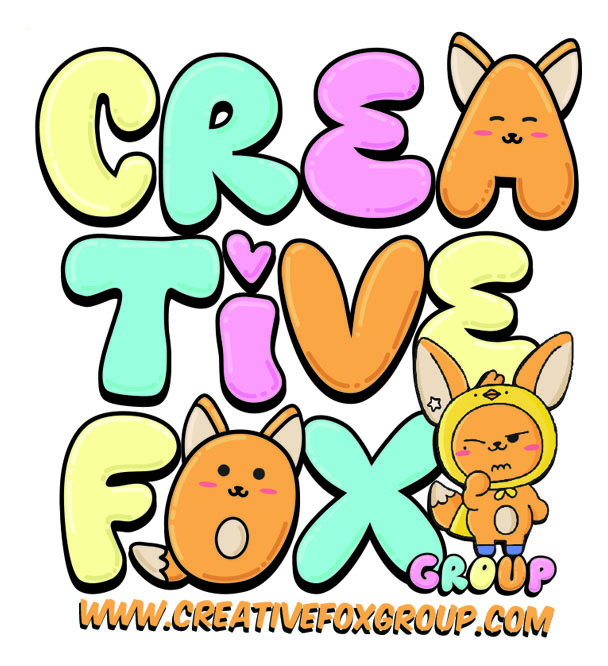
Typography is stepping out of the background and becoming a lead character in design. In 2026, oversized letters, expressive layouts, and playful or distorted type are being used to carry emotion and tone before a single word is read. As audiences scroll faster and read less, type has to communicate feeling instantly, not just information. When typography becomes part of the story instead of a label, it gives brands a stronger first impression and a clearer personality at first glance.
4. Warm and personal visual style
Design in 2026 is becoming softer and more emotionally open as brands prioritize connection over perfection. Warmer color palettes, inclusive imagery, and human centered visuals create an immediate sense of approachability that polished design often lacks. As AI continues to accelerate content production, warmth becomes the differentiator. Brands that feel welcoming, personal, and emotionally aware will stand out in a crowded digital space because people don’t connect with flawless visuals, they connect with feeling.

5. Editorial inspired design that feels timeless
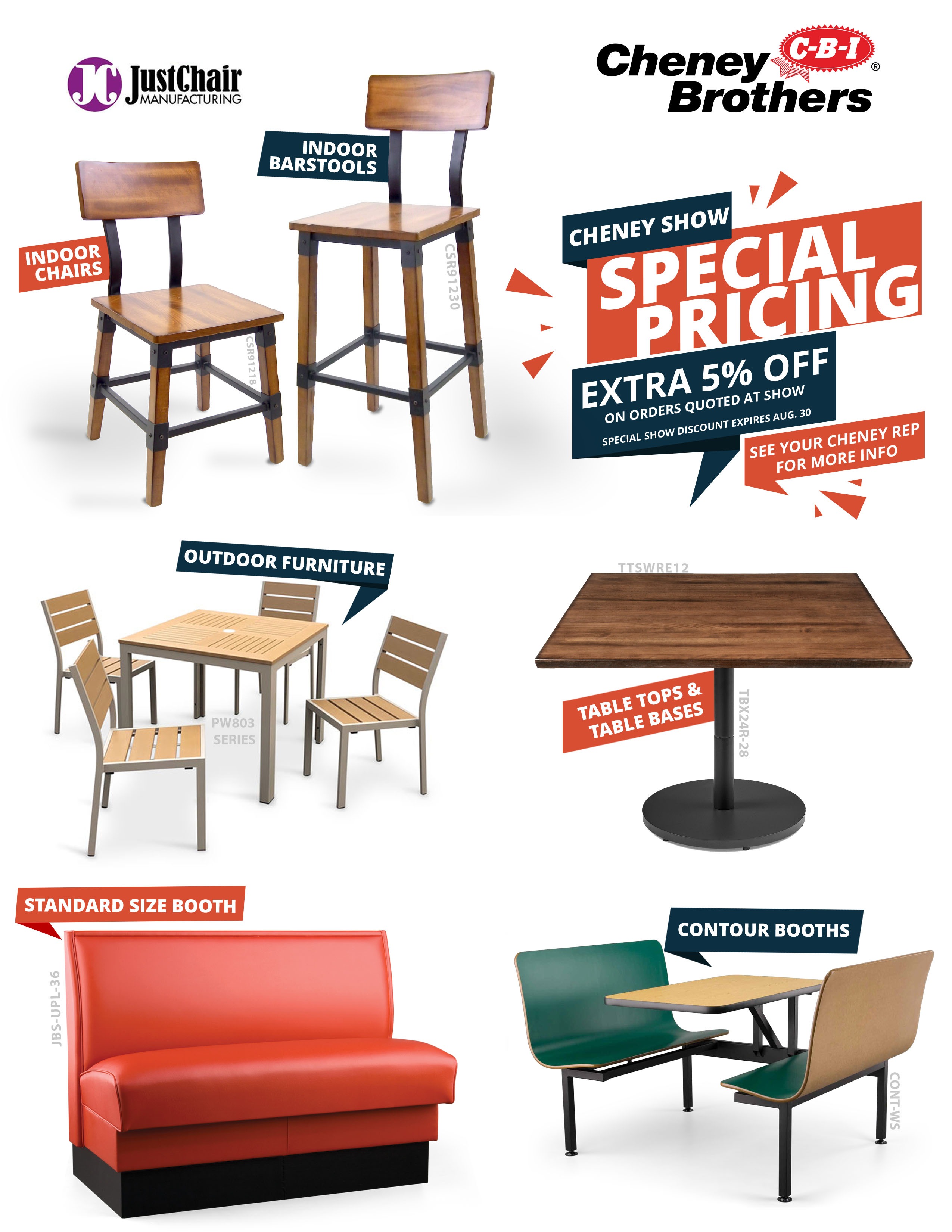
Magazine style layouts are resurfacing as brands move toward designs that feel intentional, confident, and built to last. Thoughtful typography and generous white space create structure and breathing room, allowing content to be absorbed instead of rushed past. In a visually noisy world, this approach signals clarity and restraint. It feels modern without chasing trends and refined without feeling cold, helping brands communicate with confidence rather than clutter.
Into the New Year
The real shift from 2025 to 2026 is intention. Design is no longer about proving what tools can do or chasing trends for the sake of it. It is about making better decisions that lead to work people actually connect with.
The brands that stand out will be the ones that use technology with purpose, trust human creativity, and design with feeling and clarity. When tools support creativity instead of replacing it, design feels thoughtful, memorable, and worth paying attention to.