a
Creative Fox Marketing Group Logo
Creative Fox Group logo in white for dark backgrounds
How Often Should You Redesign Your Website?

How Often Should You Redesign Your Website?

If you’re asking yourself whether it’s time to redesign your website, chances are the answer might be yes. But how often should you actually go through a redesign? The truth is, there’s not a universal answer, but there are a few key signs and timelines that can help guide the decision.

General Rule: Every 2-3 Years

On average, businesses tend to redesign their websites every two to three years. Why? Because both design trends and user expectations evolve fast. What felt sleek and modern in 2020 might already look outdated today. Additionally, technology changes quickly. If your site isn’t keeping up with mobile responsiveness, speed, or accessibility, you could be losing valuable traffic.

Redesign Is Not Only Looks

A website redesign isn’t just about a new color palette. It’s about performance. If your site takes too long to load, doesn’t work well on mobile, or confuses visitors with poor navigation, it might be doing more harm than good. A fresh redesign can help improve the user experience, increase engagement, and ultimately drive better results for your business.

Breathing New Life

Young woman standing with eyes closed on the beach on a sunny day

Instead of waiting until your website feels completely broken, think about your site as an evolving tool. A well-timed website redesign can breathe new life into your online presence and better support your business goals. Make sure it’s driven by data, not just design trends.

Signs It Might Be Time to Redesign Your Website

Your bounce rate is high

If visitors leave after a few seconds, your site may
not be meeting their expectations.

You have rebranded

 If your visuals, voice, or target audience has changed,  your website brand identity should reflect that.

New product launch

If you have a new product, you should make sure your clients are aware. It’s likely there is a portion of your audience that would rather look on your website and read about your new product.

Not many leads

If website traffic is steady but conversions are low,
your layout and calls-to-action may need
an overhaul.

Analytics, heatmaps, and user feedback are great tools to use when deciding if a redesign is truly needed. Focus on improving how the site functions and how it looks, and you’ll be in a much better position than just chasing the latest visual trend.

Redesign With Strategy
person pointing at a white board that has sticky notes on it coming up with a strategy

Redesigning your website isn’t something you need to do every year, but it is something you should keep an eye on. There may be pages or sections that should reflect product changes.

Stay in tune with your users, your business goals, and changes in digital technology. And when it’s time to make the leap, don’t just update the look, update the experience.

Thank you for taking a few minutes out of your day to read this weeks blog article. If you’re looking for a website refresh and are unsure where to start, I would encourage you to contact us!
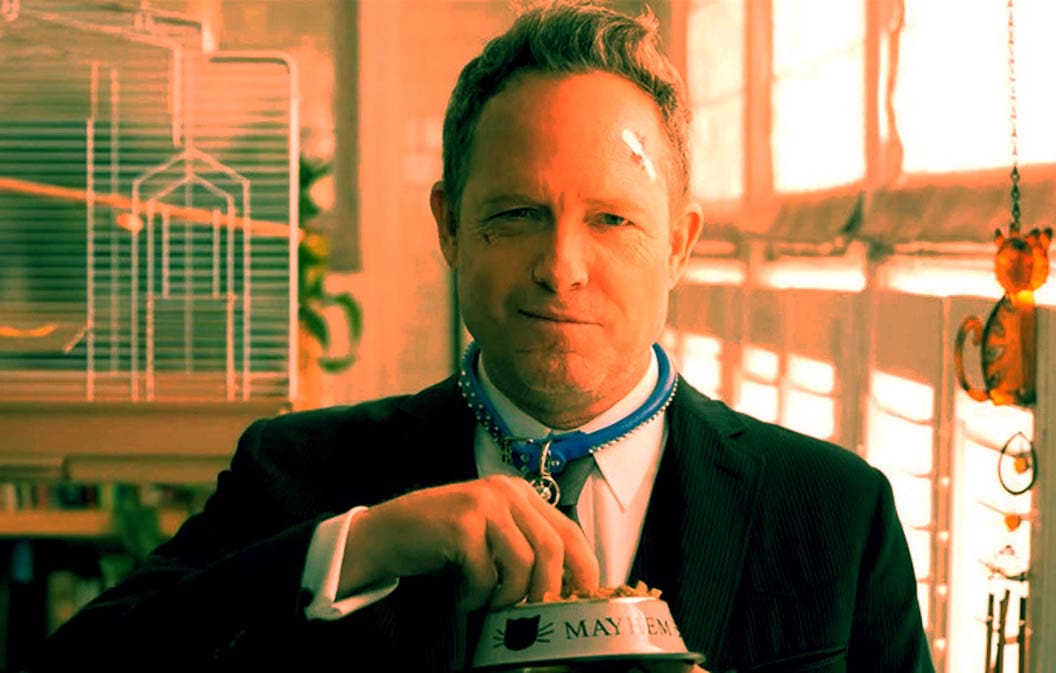

Business Tone and The Message It Gives

Business Tone and The Message It Gives

“Mayhem” from Allstate Insurance

When it comes to branding, your business tone is just as important as your logo or color palette. It’s the personality behind your message, the way your business “sounds” when people read your website, scroll your social posts, or open your emails. Whether you’re just starting out or refining your marketing strategy, defining the right tone can help you connect with your audience and stand out in a crowded market.

Not sure what tone fits your brand best? Let’s explore nine of the most common business tones and how they shape customer perception.

Professional Tone

Polished. Precise. Dependable.

This tone is common in industries where trust and expertise are key. Businesses such as finance, law, healthcare, or B2B services typically carry this tone. It avoids slang or overly casual language, instead focusing on clarity, courtesy, and credibility.

Example Of this Type of Business Tone
The Citi Never Sleeps” – Citibank

Friendly Tone

Warm. Approachable. Human.

The friendly tone makes your audience feel like they’re chatting with a helpful neighbor. It’s perfect for small businesses, hospitality, customer service, and any brand that wants to feel welcoming and personal.

Example Of this Type of Business Tone
Betcha can’t eat just one!” – Lay’s

hand reaching into bag grabbing a potato chip

Authoritative Tone

Trustworthy. Confident. Experienced.

This tone positions your business as a leader in its field. It uses fact-based language and a steady voice that reassures customers they’re in good hands. Think of it as your brand’s way of saying, “We know what we’re doing.”

Example Of this Type of Business Tone
With a name like Smucker’s, it has to be good” – Smucker’s

Playful Tone

Fun. Creative. Unpredictable.

Playful brands don’t take themselves too seriously. They use humor, puns, or quirky language to engage customers and spark delight. This tone is great for lifestyle brands, entertainment, food and beverage, or products with a younger demographic.

Example Of this Type of Business Tone
Snap! Crackle! Pop!” – Rice Krispies

Inspirational Tone

Uplifting. Aspirational. Purposeful.

If your brand is built around a mission or a movement, this tone helps you connect emotionally with your audience. You’ll often see it used by nonprofits, wellness brands, or businesses focused on transformation and growth.

Example Of this Type of Business Tone
Motivation That Moves You” – Peloton

stationary bike with a a black and blue background

Casual Tone

Relaxed. Conversational. No Pressure.

This tone keeps things simple and real. It doesn’t try too hard, and that’s exactly what makes it effective. It’s like talking to a friend. No buzzwords, no fluff, just plain speak.

Example Of this Type of Business Tone
I’m Lovin’ It” – McDonalds

Luxury Tone

Elegant. Sophisticated. Deliberate.

This tone speaks to quality, exclusivity, and attention to detail. It’s used by high-end brands that want to evoke a sense of prestige or timelessness, especially in industries like fashion, design, or hospitality.

Example Of this Type of Business Tone
Reach For The Stars” – Coco Chanel

Bold/Edgy Tone

Fearless. Direct. Disruptive.

Bold brands aren’t afraid to take risks or speak their minds. This tone often challenges the status quo and appeals to customers who crave something different. You’ll find it in startups, challenger brands, or industries that thrive on innovation.

Example Of this Type of Business Tone
The Best or Nothing” – Mercedes Benz

Mercedes-Benz sports car

Empathetic Tone

Gentle. Supportive. Understanding.

This tone shines in industries where emotions run high such as healthcare, mental wellness, or personal services. It puts the customer’s feelings first, showing care, patience, and respect.

Example
Healing Healthcare Together” – United Healthcare

What Tone Is Right For You?

The best brand voices aren’t rigid, they’re flexible and rooted in authenticity. Many successful businesses blend tones depending on the platform or context. For example, your website might be professional, your Instagram playful, and your customer emails friendly with a touch of empathy.

Start by thinking about your audience. What do they need to feel from your brand? Do you want them reassured, excitement, empowered, or understood? Once you know that, your tone becomes your guide for every word you write.

If you’re not sure where to start, that’s where branding experts come in. At Creative Fox, we help develop the right business tone and messaging strategies that feel natural and work across platforms. Whether you’re building a brand from scratch or refreshing your voice, we can help you sound like you—only clearer and more consistent.

Why Businesses Should Sponsor a Community Event:

Why Businesses Should Sponsor a Community Event:

There are plenty of ways to get your business noticed, whether through digital ads or traditional marketing. But have you ever considered setting aside part of your budget to sponsor a community event? Supporting a cause that matters to the people around you not only elevates your brand, it strengthens the connection between your business and the community it serves. Sponsorships often come with public recognition, placing your name in front of hundreds or even thousands of people in a meaningful, memorable way.

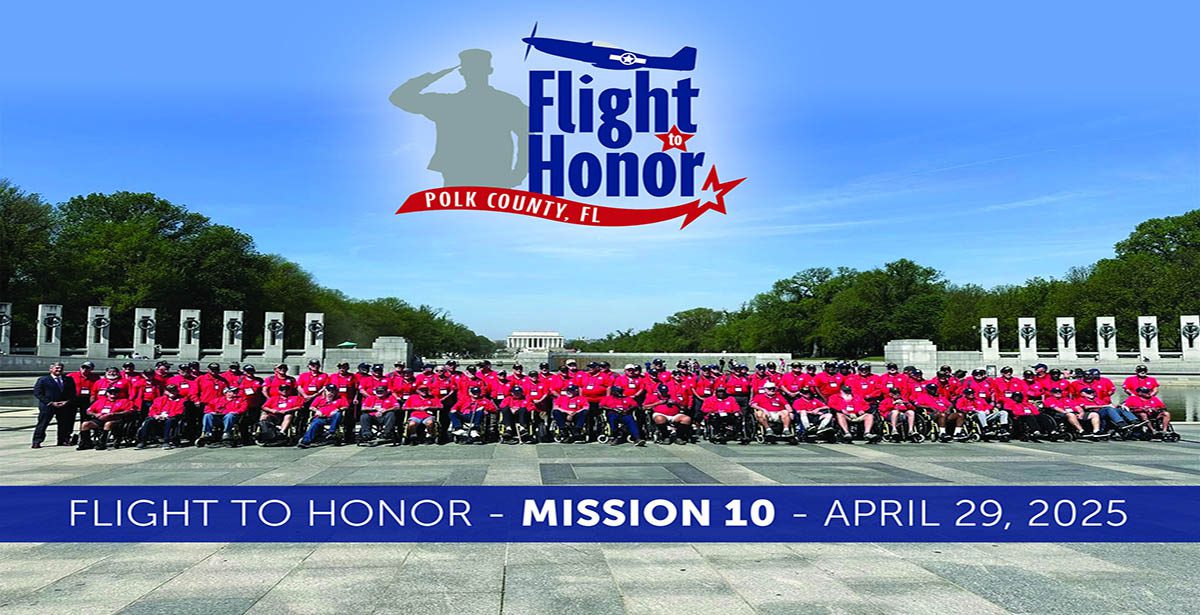
Mission Flight #10

I had the honor of experiencing one such event firsthand. I recently accompanied my father on a once in a lifetime trip to Washington, D.C. through an Honor Flight. These flights are dedicated to bringing local United States Military Veterans to our nation’s capital, where they visit memorials and landmarks that honor their service. One of the most moving parts of the journey takes place upon returning home, when veterans are given the “Welcome Home” they never received.

Local Business Sponsors

The Polk County Veterans Council organizes these annual Flight to Honor missions, flying veterans and their guardians from Lakeland, Florida to Washington, D.C. at no cost to the veteran. This gift of gratitude is made possible through the generosity of sponsors and donors who understand the value of honoring those who have served.

Throughout the year, the Polk County Veterans Council invites businesses and organizations to sponsor community events like the Honor Flight. Tax-deductible contributions can be made at any time and directed toward the next mission. On the flight we attended, business sponsors helped provide everything from guardian and veteran shirts to backpacks, meals, snacks, airfare, and transportation. Their support ensured every detail of the day was taken care of, creating a seamless and memorable experience for all involved.

Flight to Honor business sponsors for Mission #10

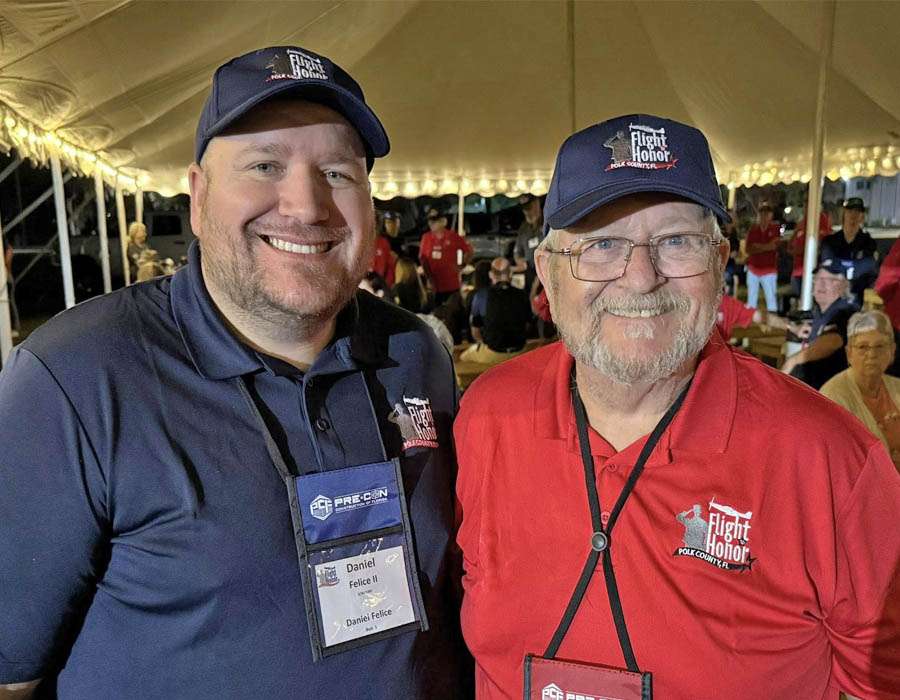
Sponsors are recognized publicly both on social media and throughout the event. Some go a step further by having their logo embroidered on the shirts worn by veterans and guardians. Not every shirt featured the same sponsor, which shows how each contribution directly supports specific parts of the trip. These shirts are proudly worn long after the journey ends, turning every veteran into a walking symbol of appreciation for the businesses that made the trip possible. It is visibility that is both heartfelt and well-earned.

Preparing for Departure

Our day began at 4 a.m. with a warm breakfast provided by Chick-fil-A. From coffee and energy bars to water and snacks, everything we needed for the day ahead was thoughtfully arranged. The orientation bags handed out days prior were already packed with essentials, making sure no detail was overlooked.

Landing in Baltimore

After landing in Baltimore, we boarded buses that took us into Washington, D.C. Our driver, Larry, pointed out historic landmarks along the way. Our first stop was the World War II Memorial, where all the veterans gathered for a group photo. We were also greeted by Florida U.S. Representative Scott Franklin, who personally thanked each veteran for their service.

We continued on foot along the Reflecting Pool, stopping by the Vietnam Veterans Memorial, and the Korean War Veterans Memorial. Lunch was provided by Arby’s, and while we ate, volunteers passed out Publix totes filled with snacks and stainless-steel tumblers; just one more thoughtful gesture on a day full of them.

Arlington Cemetery

Around mid-afternoon, we arrived at Arlington National Cemetery and witnessed the Changing of the Guard ceremony at the Tomb of the Unknown Soldier. My father and I walked one of the nearby paths, quietly taking in the significance of the space. Every headstone and monument has meaning. Every placement is intentional. If you visit Washington, D.C., make time to go to Arlington in person. No words or photos can truly capture the weight and reverence of that experience.

Journey Back Home

Before boarding our return flight, we were served dinner by Mission BBQ, a company known not just for great food but also for their commitment to honoring those who serve our country. Their support, along with that of all the event sponsors, stood as a powerful reminder of the values we still hold dear: service, sacrifice, and unity.

During the flight home, a tradition known as “mail call” brought both smiles and tears. Each veteran received letters, cards, and drawings from local schools, youth clubs, and community organizations. These heartfelt messages were full of gratitude and served as a touching tribute from the next generation to those who came before.

Welcome Home Ceremony

When we landed in Lakeland, the Welcome Home celebration was waiting. A live band played patriotic songs for Army, Navy, Airforce, and the Marines.  Police officers, firefighters, ROTC members, Boy Scouts, Girl Scouts, and hundreds of family and friends filled the terminal with cheers and flags. For many veterans, including my dad, it was the first real welcome they had ever received. After returning from the Vietnam War decades ago, there were no parades—only silence or protest. My father told me this was the homecoming he had waited over 50 years for.

I will never forget this trip. I will never forget what it meant to him, and to every veteran on that plane.

Businesses Impacting The Community

This kind of impact does not happen on its own. It is made possible by people and businesses who choose to sponsor community events like this one. Supporting something bigger than your brand creates lasting memories and builds deep-rooted trust in the community. Your business is remembered not just for what it does, but for what it chooses to stand for.

If you are looking for a way to make your marketing efforts more meaningful, consider sponsoring a community event. You will not only raise awareness for your brand, you will become part of something that genuinely matters. And in the hearts of those you help, that support is never forgotten.

The Welcome Home Experience

The video is the point of view from leaving the aircraft after Mission Flight 10. Everyone was so excited to be greeted by family and friends. I know many new friendships and memories were created on this day.

References:
Additional photos that were used in this blog were borrowed from the Flight to Honor Facebook page.

Why Print Marketing Still Works in a Digital World

Why Print Marketing Still Works in a Digital World

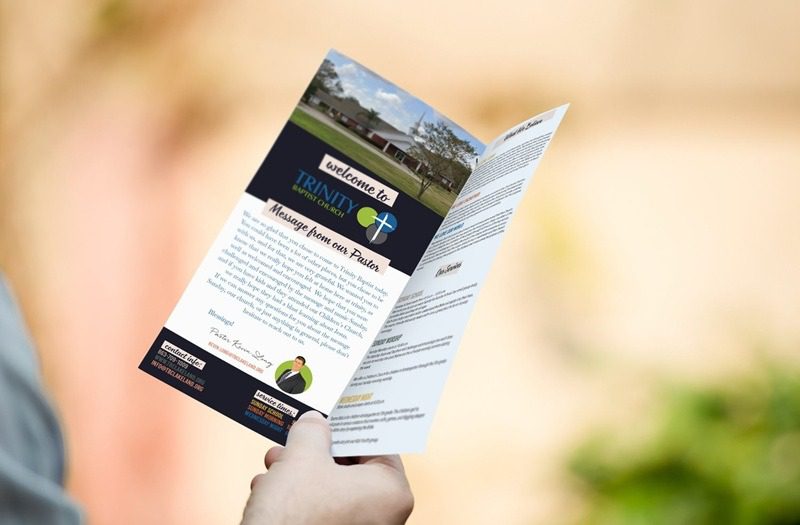
Brochure concept by Creative Fox Group for Trinity Baptist Church of Lakeland, FL

There is something special about holding a beautifully designed piece of printed material in your hands. It invites a pause, a moment of focus, and a connection that feels personal. A well-crafted brochure or postcard does more than deliver information, it creates an experience. Print is bold and memorable because it engages the senses in ways digital content simply cannot. You can feel the texture of the paper, see the richness of the colors, and notice the thoughtful details in the design. While digital marketing dominates many spaces, it often competes for attention in a fast-paced, scroll-heavy environment. Traditional print stands apart by being intentional and tangible. From vibrant billboards and professional brochures to postcard mailers, custom stickers, and large format banners, printed materials bring your brand into the real world. They offer a lasting impression and a sense of authenticity that helps your business stay top of mind long after the first glance.

Printed Marketing Grabs Attention

Printed materials stand out because they live in the real world. They take up space on a desk, a counter, or even a fridge, where people see them again and again. Whether it is a flyer handed out at a community event or a postcard that arrives in the mail, print has a way of catching the eye and sparking curiosity. People are naturally drawn to things they can touch and explore. The texture of the paper, the weight in your hand, and even the finish of the print all work together to create a feeling that is hard to forget. These details add depth to the message and make it more engaging. Unlike digital ads that disappear with a scroll or a swipe, print materials tend to stick around. They become part of someone’s environment, often serving as a helpful reminder of your business long after the first look. This lasting presence gives your brand more time to make a meaningful impression.

Visual Design is Key

The Hub after school program brochure and rack card

Brochure concept made by Creative Fox Group for The Hub

Print also has the unique advantage of longevity. A beautifully designed brochure might sit on someone’s coffee table for weeks, giving it repeated exposure. A postcard with a great image or catchy headline might be pinned to a bulletin board or stuck to the fridge as a reminder. These materials become part of someone’s daily routine, not just a passing glance. This extended visibility gives your message more opportunities to sink in, start a conversation, or inspire someone to take the next step. With great design and thoughtful placement, print marketing works quietly but powerfully to keep your brand top of mind.

Great design is at the heart of successful print marketing. It is what turns a simple piece of paper into something that captures attention and leaves a lasting impression. Bold colors can spark curiosity, thoughtful layouts make information easy to follow, and a strong visual hierarchy ensures that the most important points are seen first. Every design choice plays a role in how your message is received. When a print piece is visually appealing, people are more likely to pick it up, read it, and remember it.

MD Construction calendar marketing design

Rendering created by Creative Fox Group for MD Construction

Knowing Your Audience

Understanding your target audience is just as important for print marketing as it is for digital. The more you know about who you are trying to reach, the more meaningful and effective your message becomes. Customizing your printed materials to speak directly to a specific group shows that you understand their needs and care about what matters to them. For example, a flyer designed for first-time homebuyers might highlight peace of mind and affordability, while a brochure for small business owners could focus on reliability and long-term value. The design, tone, and messaging should all reflect the lifestyle, goals, and preferences of the people you want to connect with.

Print also gives you the flexibility to be intentional about where and how your message is shared. You can hand out materials at local events your audience attends, display brochures in businesses they frequent, or mail postcards to neighborhoods that fit your ideal customer profile. This kind of thoughtful targeting helps you reach people where they are, both physically and emotionally. When your print pieces feel personal and relevant, they are more likely to be noticed, remembered, and acted on. That kind of connection builds trust and increases the chances of turning interest into real results.

Track the Success of Print Marketing

Today’s technology makes it easier than ever to track how your print marketing is performing. Tools like QR codes and unique web addresses give you a simple way to connect your printed materials to your online presence. This not only bridges the gap between print and digital, but also gives you valuable insights into how people are interacting with your message. For example, if you send out a postcard with a QR code that leads to a special landing page, you can see how many people scanned the code, visited the page, and took action such as filling out a form or making a purchase.

This kind of tracking gives you a clearer picture of what is resonating with your audience. You can test different designs, headlines, or offers to see what draws the most engagement. Maybe one version of a flyer gets more scans than another, or a specific call to action brings in more responses. These details help you make smarter marketing decisions and fine-tune your approach. Instead of guessing what works, you have real data to guide you. It is a simple but powerful way to make sure your print campaigns are not just beautiful but also effective.

Print and Digital Marketing Work Better Together

What makes print even more powerful is how well it works alongside your digital efforts. These two approaches do not need to compete. When combined thoughtfully, they strengthen each other. Print can drive people to your website, encourage them to follow you on social media, or invite them to scan a QR code for a special offer. At the same time, your digital content can support and reinforce the messages shared in print. It is not about choosing one or the other. It is about creating a seamless experience that meets your audience wherever they are, online or off, and builds a stronger, more connected brand in the process. Print adds depth, character, and a human touch that makes your marketing strategy more complete and more memorable.

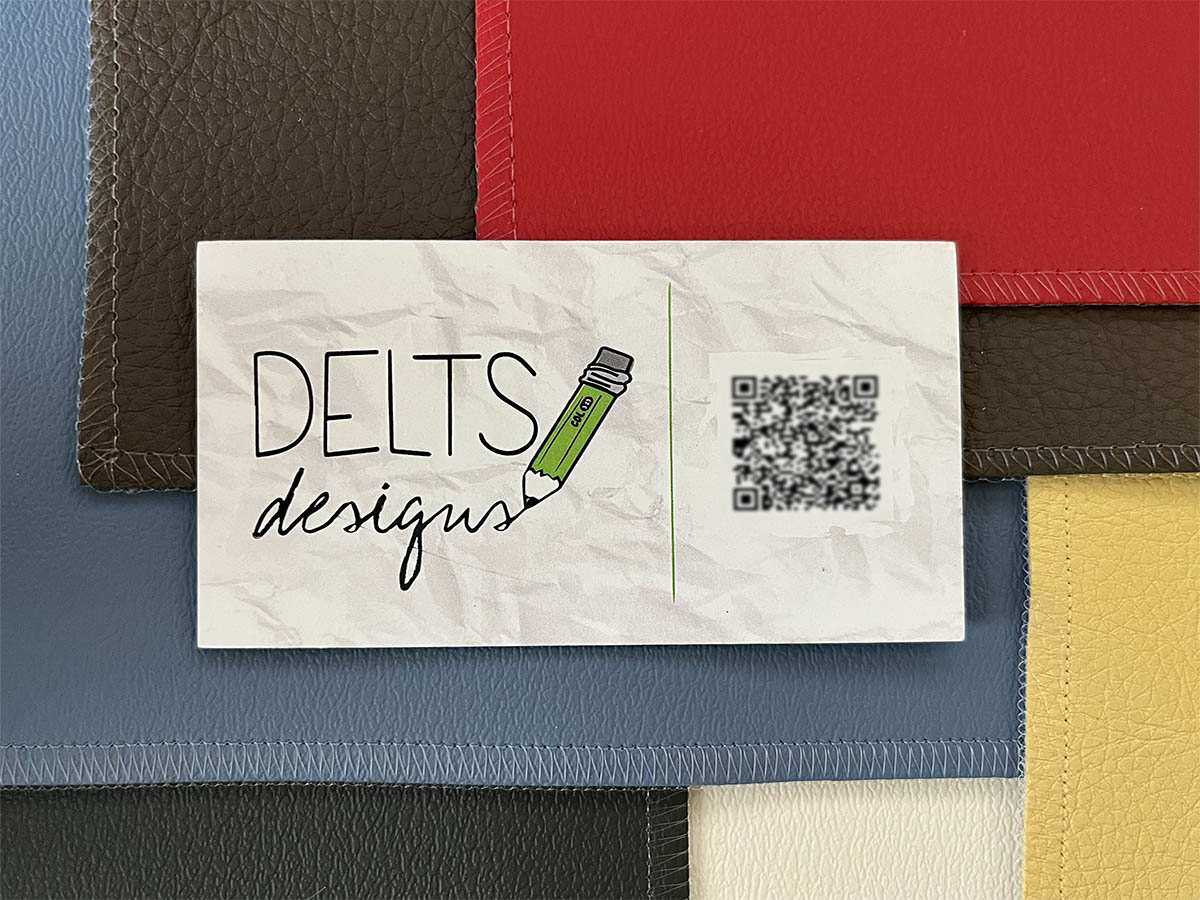
Delts Designs Card

We're Able To Help

Ready to create something that stands out and sticks with your audience? Let’s bring your brand to life through print materials that are thoughtfully designed, strategically placed, and built to make an impact. Whether you need brochures, postcards, banners, or custom designs, we are here to help you turn great ideas into print that performs. Reach out to us today and let’s start creating together!

Why Brand Identity Matters

Why Brand Identity Matters

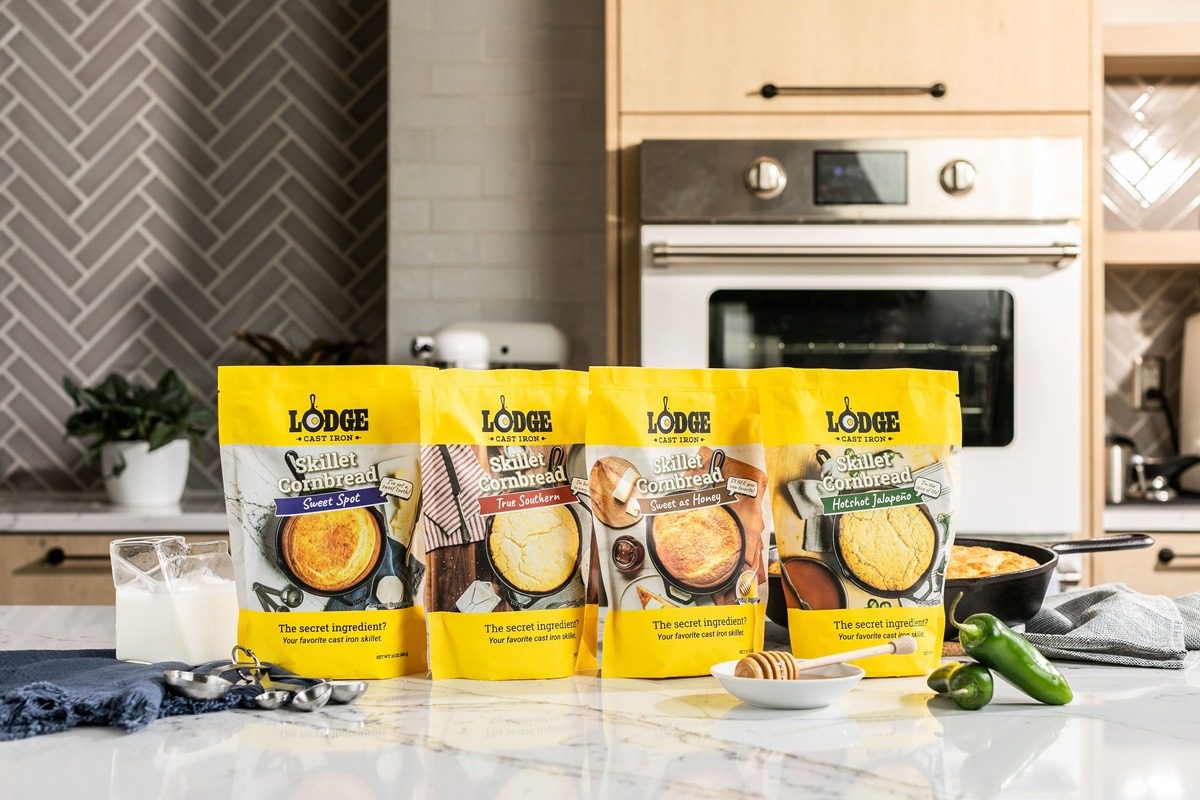
Photo courtesy of Lodge Cast Iron

What is brand identity, and why does brand identity matter? Normally, when people hear the term, they think of logos, fonts, and color palettes. While those are important, your brand identity is so much more than design. It’s the full experience someone has with your business. It’s how you show up, how you communicate, and how you make people feel. Whether you’re just starting out or have been in business for years, having a strong brand identity is key to growing with clarity and confidence.

Brand Identity Builds Recognition

People remember what stands out. A strong brand identity creates that spark of recognition. It’s the reason someone sees your social media post, email, or business card and instantly knows it’s you. Think about some of the most well-known brands; chances are, you could identify them without even seeing their name. It’s not just their logo or color scheme. It’s the way they look, speak, and show up consistently across every touchpoint.

Consistency across all brand touchpoints reinforces confidence and reduces friction in the customer experience. When people encounter your brand multiple times with the same tone, visuals, and messaging, it begins to stick. They start to associate certain elements with your business and recall you more easily when they need your product or service. A cohesive and thoughtfully designed identity makes it easier for people to remember you, recommend you, and return to you. That recognition is a powerful driver of long-term growth.

Brand Identity Builds Trust and Credibility

Trust doesn’t happen overnight, but a polished, consistent brand can help speed up the process. When your visuals and messaging align, it shows that you care about the details and that you’re invested in your business. That professionalism builds credibility. People want to feel confident in the brands they buy from or work with. A scattered or inconsistent identity can send the wrong signals, even if your product or service is amazing.

It can also create opportunities for scammers to take advantage of your customers. When your brand shows up in different colors, fonts, or tones across platforms, it becomes easier for someone to replicate your business and mislead your audience. With online scams becoming more common, especially on platforms like Facebook, people are more cautious than ever. If your branding feels inconsistent, new customers may hesitate to trust that you are legitimate.

But when your brand looks and feels like it’s put together with purpose, it reassures your audience that they’re in good hands, and it helps prevent them from falling for lookalike scams.

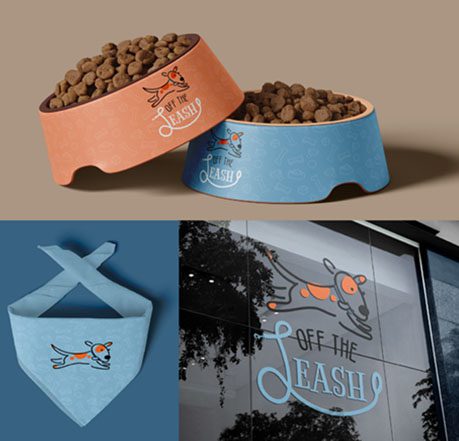
Mock ups to show brand consistency on several different items for Dog Day Care

Brand Identity Differentiates You From Competitors

It’s more than just a logo or a color palette; it’s the impression people get the moment they encounter your business. A strong brand identity helps customers understand who you are, what you stand for, and why they should choose you. It builds recognition, trust, and loyalty over time.

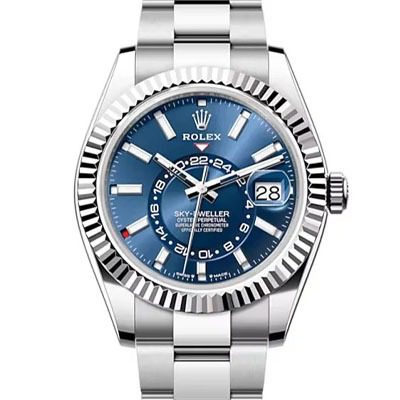
Let’s take Rolex watches as an example. They’re not meant for everyone. They’re a premium brand with a premium price. But the name alone instantly brings certain expectations to mind. Rolex stands for top-tier craftsmanship, precision, and prestige. The moment you see the brand, you associate it with luxury, heritage, and unmatched quality. You don’t need to examine the watch up close to assume the materials are exceptional, the engineering is precise, and the people behind it are true experts.

Rolex watch face

Photo courtesy of Rolex

Brand Identity Inspires Loyalty

People don’t just connect with products or services. They connect with brands. When your identity reflects your values and speaks in a voice your audience relates to, it creates an emotional connection. That connection leads to loyalty. It turns casual customers into repeat buyers. It encourages people to tell their friends about you. It transforms your brand into something people want to be part of.

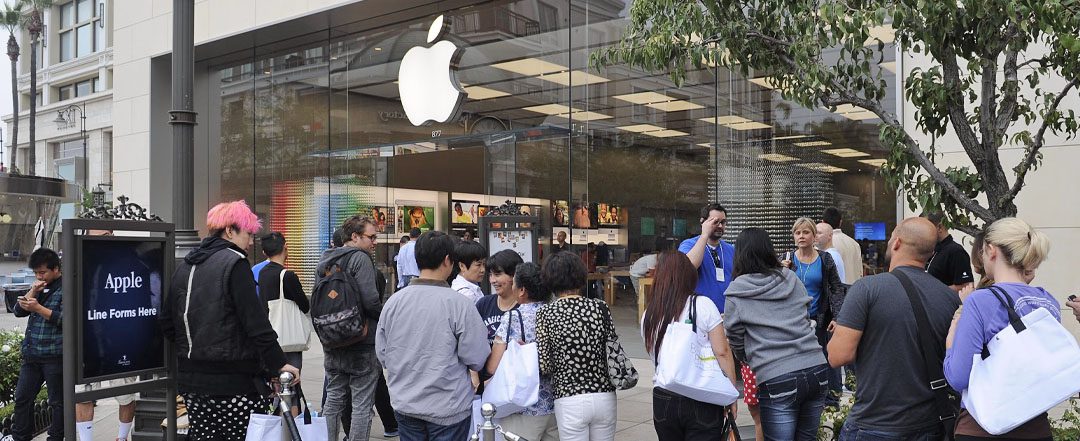
Take Apple, for example. It is more than just a tech company. It is a brand people feel connected to. Apple users passionately defend the brand, not just because of the products, but because of what it represents — innovation, simplicity, and sleek design. Waiting in line for an iPhone became a cultural phenomenon that began with the launch of the very first model on June 29, 2007. People camped out for hours, sometimes days, just to be among the first to own one. That kind of devotion does not come from features alone. It comes from emotional investment built through consistent, intentional branding over time.

Great branding does not just attract attention. It builds relationships that last.

Showing an example of brand loyalty this photo shows a long line of customers waiting for the news product from Apple.

Photo courtesy of Apple

Brand Identity Matters

Your brand identity is more than just how your business looks. It is how people recognize you, trust you, and connect with you. It sets you apart, reflects your values, and shapes how others experience your brand. When done well, it creates loyalty, protects your reputation, and makes your business memorable. At Creative Fox Group, we help businesses build meaningful brand identities that feel authentic and resonate with the right audience. Whether you are starting from scratch or refining what is already in place, we are here to help you build a brand that lasts with clarity, creativity, and purpose.

Thank you for reading this weeks blog post! If you missed the blog post about Search Engine Optimization for your website, I’d encourage you to check it out!