
a
Creative Fox Marketing Group Logo
Creative Fox Group logo in white for dark backgrounds
Marketing Opportunity After Kiss Cam Scandal at Concert

Marketing Opportunity After Kiss Cam Scandal at Concert

At a recent Coldplay concert at Gillette Stadium, what started as a fun kiss cam moment quickly turned into viral chaos. When the camera landed on Andy Byron, CEO of Astronomer, and Kristin Cabot, the company’s head of HR. The two quickly hid their faces in embarrassment hoping nobody would recognize them, but it was too late.  A person at the concert has recorded the TV screen at the venue and uploaded it onto TikTok. It wasn’t too long thereafter before the internet took notice. The clip exploded online, racking more than 90 million views on TikTok and sparking endless memes and speculation. The real-world consequences came fast: Byron was placed on leave and later resigned, while Cabot also came under internal review.  As the video gained traction, it didn’t take long for brands to spot a marketing opportunity after the kiss cam scandal at the concert, turning the awkward moment into a trending campaign tool.

It didn’t take long for brands to jump in and take advantage of what’s known as the “attention economy.” This is when businesses use a viral moment that everyone’s talking about to boost their visibility and show up in search and social feeds. Most of the time, it’s done with a witty or edgy comment that gets people saying, “Did you see what that brand posted?”
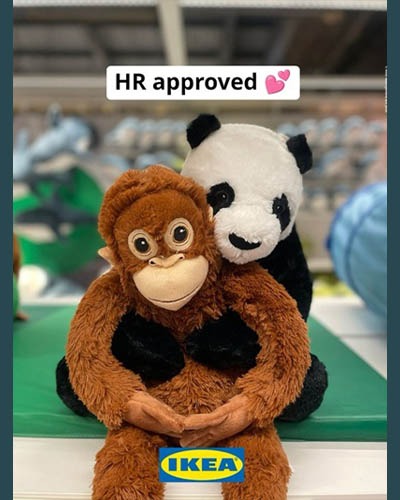
Ikea post about the coldplay concert kiss cam

IKEA Instagram

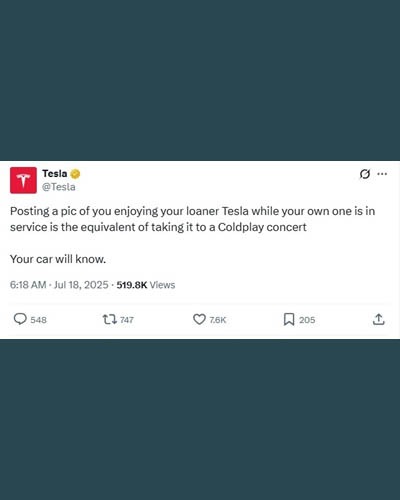
Tesla post about the coldplay concert kiss cam
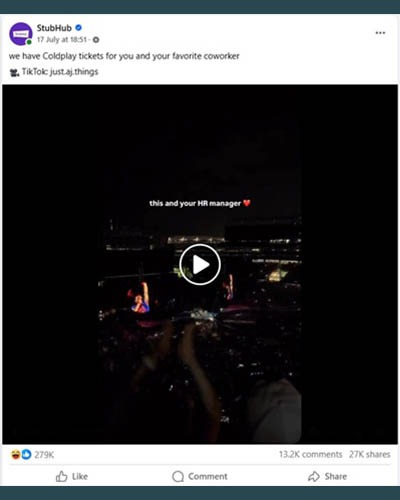
Stubhub post about the coldplay concert kiss cam

StubHub Facebook

Brands should be thoughtful about the types of viral moments they choose to engage with. As long as they steer clear of political or highly sensitive topics, the benefits often outweigh the risks. A clever response can lead to viral engagement, increased visibility, and stronger audience connection. Many millennials and even some baby boomers tend to appreciate the humor behind these timely posts. But not everyone feels the same way. Some viewers don’t see the moment as newsworthy, and quick-witted brands can come across as tone deaf, especially when real people are affected and the situation involves personal consequences like resignations and family fallout.

What Brands Can Learn

Act fast but thoughtfully
In the world of viral content, timing is everything. The brands that successfully leveraged the kiss cam scandal moved quickly, posting within hours while the moment was still fresh and buzzing online. That kind of speed is essential in today’s “meme-time” cycle, where trends come and go in a matter of days—or even hours. But fast doesn’t mean reckless. Before hitting publish, it’s important to pause and consider the context, the tone, and the potential reaction. A smart, well-timed post can boost visibility. A rushed, careless one can backfire.

Know your brand tone
Humor works when it’s playful, punny, or a little cheeky. But it needs to land well. Brands should avoid coming across as mean-spirited, exploitative, or overly personal. It’s a delicate balance. If your post feels like it’s making fun of real people in a painful situation, it could leave a bad impression. The best-performing posts are the ones that join the conversation without crossing the line.

Alight with your brand voice
Not every brand should sound the same. Tesla’s bold, edgy voice made their response feel natural and on-brand. IKEA leaned into its quirky and cozy image with a lighthearted visual. These brands know who they are, and their messaging reflects that. On the other hand, if a financial institution or healthcare company tried the same tone, it might come off as confusing or even inappropriate. Consistency is key. When your content feels true to your brand identity, it builds trust and connection.

Monitor Audience Response
Engagement is what brands want, but don’t forget to read the room. Track how your audience responds in real time. If your post gets laughs, likes, and shares, that’s a good sign. But if the tone shifts and people start expressing discomfort or empathy for those involved in the original incident, it’s time to reassess. A single post probably won’t define your brand, but how you respond to feedback will. Being willing to pivot or pull back shows that your brand listens and cares.

Takeaways From Attention Economy

These takeaways are a reminder that when done right, reactive marketing can be a powerful tool for brand growth and audience connection. It allows businesses to step into conversations their audiences are already having, creating moments that feel fresh, relevant, and human. When a brand reacts with the right timing, it shows they’re paying attention, not just to trends, but to the world around them.

Reactive marketing isn’t just about being first. It’s about being thoughtful. The most successful examples strike a careful balance between speed, tone, and authenticity. A well-crafted post can spark conversation, make people laugh, or even position a brand as culturally aware and in-touch. But if it feels forced, off-brand, or insensitive, it can just as easily damage credibility.

Ultimately, the goal isn’t just to go viral, it’s to connect. When brands understand their voice, respect their audience, and respond with intention, reactive marketing becomes more than just a moment. It becomes a meaningful part of their broader storytelling strategy.

Thank you for reading this weeks blog! This viral moment reminds me about the blog we wrote about Super Bowl Marketing. Every year brands push the envelope to grab viewers attention to make themselves viral. If you have not read it, check it out! Have a blessed week!

Business Tone and The Message It Gives

Business Tone and The Message It Gives

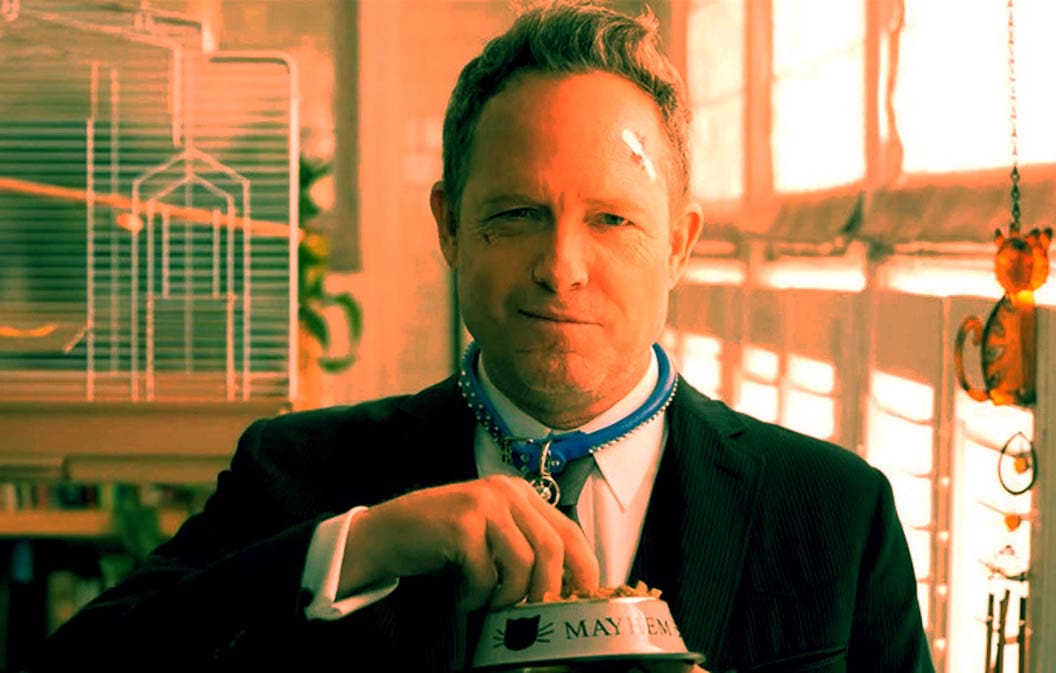
“Mayhem” from Allstate Insurance

When it comes to branding, your business tone is just as important as your logo or color palette. It’s the personality behind your message, the way your business “sounds” when people read your website, scroll your social posts, or open your emails. Whether you’re just starting out or refining your marketing strategy, defining the right tone can help you connect with your audience and stand out in a crowded market.

Not sure what tone fits your brand best? Let’s explore nine of the most common business tones and how they shape customer perception.

Professional Tone

Polished. Precise. Dependable.

This tone is common in industries where trust and expertise are key. Businesses such as finance, law, healthcare, or B2B services typically carry this tone. It avoids slang or overly casual language, instead focusing on clarity, courtesy, and credibility.

Example Of this Type of Business Tone
The Citi Never Sleeps” – Citibank

Friendly Tone

Warm. Approachable. Human.

The friendly tone makes your audience feel like they’re chatting with a helpful neighbor. It’s perfect for small businesses, hospitality, customer service, and any brand that wants to feel welcoming and personal.

Example Of this Type of Business Tone
Betcha can’t eat just one!” – Lay’s

hand reaching into bag grabbing a potato chip

Authoritative Tone

Trustworthy. Confident. Experienced.

This tone positions your business as a leader in its field. It uses fact-based language and a steady voice that reassures customers they’re in good hands. Think of it as your brand’s way of saying, “We know what we’re doing.”

Example Of this Type of Business Tone
With a name like Smucker’s, it has to be good” – Smucker’s

Playful Tone

Fun. Creative. Unpredictable.

Playful brands don’t take themselves too seriously. They use humor, puns, or quirky language to engage customers and spark delight. This tone is great for lifestyle brands, entertainment, food and beverage, or products with a younger demographic.

Example Of this Type of Business Tone
Snap! Crackle! Pop!” – Rice Krispies

Inspirational Tone

Uplifting. Aspirational. Purposeful.

If your brand is built around a mission or a movement, this tone helps you connect emotionally with your audience. You’ll often see it used by nonprofits, wellness brands, or businesses focused on transformation and growth.

Example Of this Type of Business Tone
Motivation That Moves You” – Peloton

stationary bike with a a black and blue background

Casual Tone

Relaxed. Conversational. No Pressure.

This tone keeps things simple and real. It doesn’t try too hard, and that’s exactly what makes it effective. It’s like talking to a friend. No buzzwords, no fluff, just plain speak.

Example Of this Type of Business Tone
I’m Lovin’ It” – McDonalds

Luxury Tone

Elegant. Sophisticated. Deliberate.

This tone speaks to quality, exclusivity, and attention to detail. It’s used by high-end brands that want to evoke a sense of prestige or timelessness, especially in industries like fashion, design, or hospitality.

Example Of this Type of Business Tone
Reach For The Stars” – Coco Chanel

Bold/Edgy Tone

Fearless. Direct. Disruptive.

Bold brands aren’t afraid to take risks or speak their minds. This tone often challenges the status quo and appeals to customers who crave something different. You’ll find it in startups, challenger brands, or industries that thrive on innovation.

Example Of this Type of Business Tone
The Best or Nothing” – Mercedes Benz

Mercedes-Benz sports car

Empathetic Tone

Gentle. Supportive. Understanding.

This tone shines in industries where emotions run high such as healthcare, mental wellness, or personal services. It puts the customer’s feelings first, showing care, patience, and respect.

Example
Healing Healthcare Together” – United Healthcare

What Tone Is Right For You?

The best brand voices aren’t rigid, they’re flexible and rooted in authenticity. Many successful businesses blend tones depending on the platform or context. For example, your website might be professional, your Instagram playful, and your customer emails friendly with a touch of empathy.

Start by thinking about your audience. What do they need to feel from your brand? Do you want them reassured, excitement, empowered, or understood? Once you know that, your tone becomes your guide for every word you write.

If you’re not sure where to start, that’s where branding experts come in. At Creative Fox, we help develop the right business tone and messaging strategies that feel natural and work across platforms. Whether you’re building a brand from scratch or refreshing your voice, we can help you sound like you—only clearer and more consistent.

Why Print Marketing Still Works in a Digital World

Why Print Marketing Still Works in a Digital World

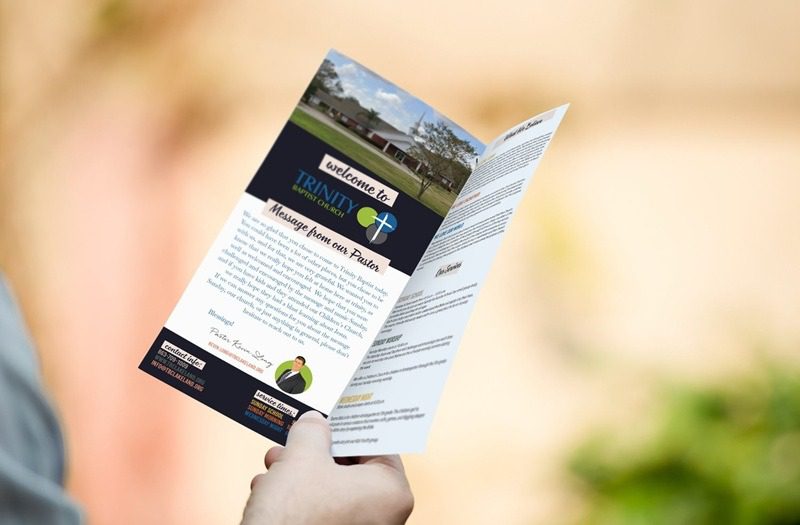
Brochure concept by Creative Fox Group for Trinity Baptist Church of Lakeland, FL

There is something special about holding a beautifully designed piece of printed material in your hands. It invites a pause, a moment of focus, and a connection that feels personal. A well-crafted brochure or postcard does more than deliver information, it creates an experience. Print is bold and memorable because it engages the senses in ways digital content simply cannot. You can feel the texture of the paper, see the richness of the colors, and notice the thoughtful details in the design. While digital marketing dominates many spaces, it often competes for attention in a fast-paced, scroll-heavy environment. Traditional print stands apart by being intentional and tangible. From vibrant billboards and professional brochures to postcard mailers, custom stickers, and large format banners, printed materials bring your brand into the real world. They offer a lasting impression and a sense of authenticity that helps your business stay top of mind long after the first glance.

Printed Marketing Grabs Attention

Printed materials stand out because they live in the real world. They take up space on a desk, a counter, or even a fridge, where people see them again and again. Whether it is a flyer handed out at a community event or a postcard that arrives in the mail, print has a way of catching the eye and sparking curiosity. People are naturally drawn to things they can touch and explore. The texture of the paper, the weight in your hand, and even the finish of the print all work together to create a feeling that is hard to forget. These details add depth to the message and make it more engaging. Unlike digital ads that disappear with a scroll or a swipe, print materials tend to stick around. They become part of someone’s environment, often serving as a helpful reminder of your business long after the first look. This lasting presence gives your brand more time to make a meaningful impression.

Visual Design is Key

The Hub after school program brochure and rack card

Brochure concept made by Creative Fox Group for The Hub

Print also has the unique advantage of longevity. A beautifully designed brochure might sit on someone’s coffee table for weeks, giving it repeated exposure. A postcard with a great image or catchy headline might be pinned to a bulletin board or stuck to the fridge as a reminder. These materials become part of someone’s daily routine, not just a passing glance. This extended visibility gives your message more opportunities to sink in, start a conversation, or inspire someone to take the next step. With great design and thoughtful placement, print marketing works quietly but powerfully to keep your brand top of mind.

Great design is at the heart of successful print marketing. It is what turns a simple piece of paper into something that captures attention and leaves a lasting impression. Bold colors can spark curiosity, thoughtful layouts make information easy to follow, and a strong visual hierarchy ensures that the most important points are seen first. Every design choice plays a role in how your message is received. When a print piece is visually appealing, people are more likely to pick it up, read it, and remember it.

MD Construction calendar marketing design

Rendering created by Creative Fox Group for MD Construction

Knowing Your Audience

Understanding your target audience is just as important for print marketing as it is for digital. The more you know about who you are trying to reach, the more meaningful and effective your message becomes. Customizing your printed materials to speak directly to a specific group shows that you understand their needs and care about what matters to them. For example, a flyer designed for first-time homebuyers might highlight peace of mind and affordability, while a brochure for small business owners could focus on reliability and long-term value. The design, tone, and messaging should all reflect the lifestyle, goals, and preferences of the people you want to connect with.

Print also gives you the flexibility to be intentional about where and how your message is shared. You can hand out materials at local events your audience attends, display brochures in businesses they frequent, or mail postcards to neighborhoods that fit your ideal customer profile. This kind of thoughtful targeting helps you reach people where they are, both physically and emotionally. When your print pieces feel personal and relevant, they are more likely to be noticed, remembered, and acted on. That kind of connection builds trust and increases the chances of turning interest into real results.

Track the Success of Print Marketing

Today’s technology makes it easier than ever to track how your print marketing is performing. Tools like QR codes and unique web addresses give you a simple way to connect your printed materials to your online presence. This not only bridges the gap between print and digital, but also gives you valuable insights into how people are interacting with your message. For example, if you send out a postcard with a QR code that leads to a special landing page, you can see how many people scanned the code, visited the page, and took action such as filling out a form or making a purchase.

This kind of tracking gives you a clearer picture of what is resonating with your audience. You can test different designs, headlines, or offers to see what draws the most engagement. Maybe one version of a flyer gets more scans than another, or a specific call to action brings in more responses. These details help you make smarter marketing decisions and fine-tune your approach. Instead of guessing what works, you have real data to guide you. It is a simple but powerful way to make sure your print campaigns are not just beautiful but also effective.

Print and Digital Marketing Work Better Together

What makes print even more powerful is how well it works alongside your digital efforts. These two approaches do not need to compete. When combined thoughtfully, they strengthen each other. Print can drive people to your website, encourage them to follow you on social media, or invite them to scan a QR code for a special offer. At the same time, your digital content can support and reinforce the messages shared in print. It is not about choosing one or the other. It is about creating a seamless experience that meets your audience wherever they are, online or off, and builds a stronger, more connected brand in the process. Print adds depth, character, and a human touch that makes your marketing strategy more complete and more memorable.

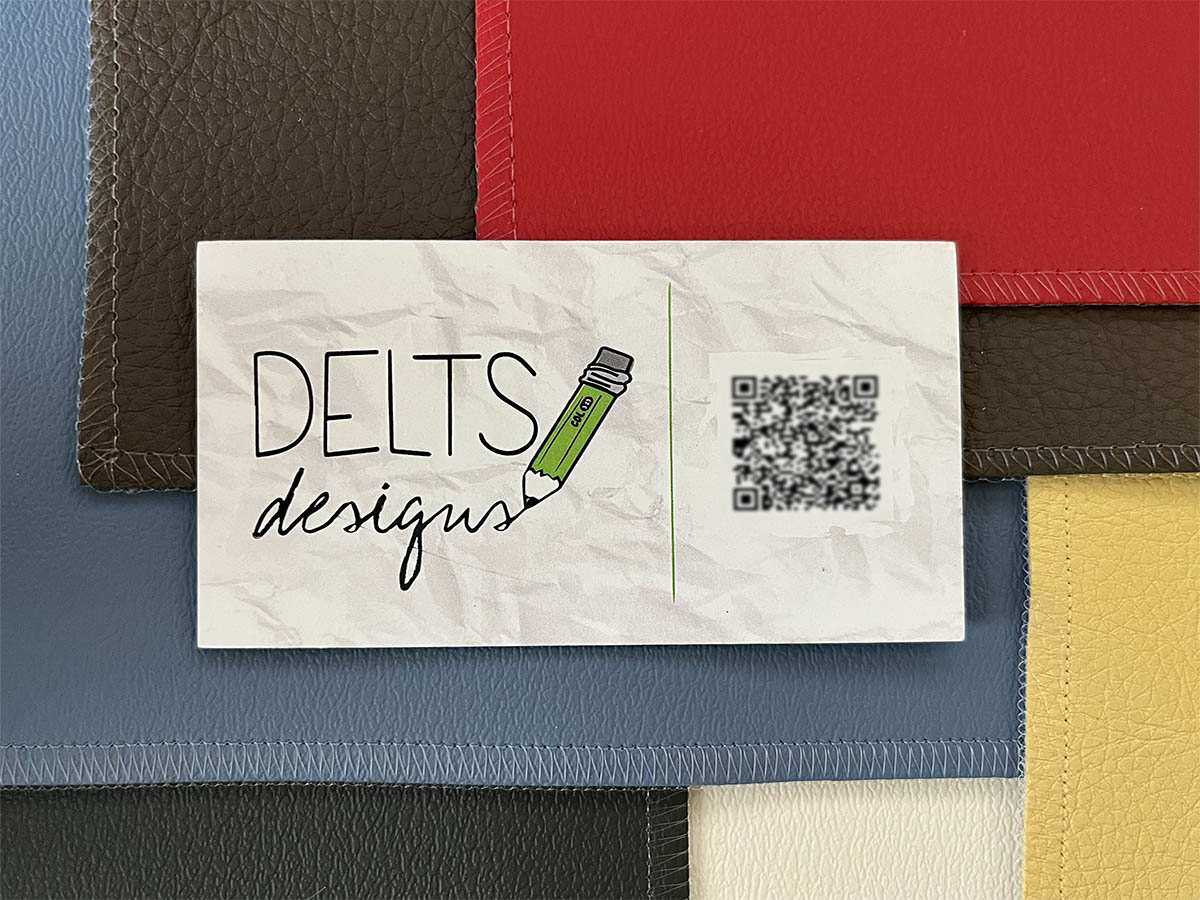
Delts Designs Card

We're Able To Help

Ready to create something that stands out and sticks with your audience? Let’s bring your brand to life through print materials that are thoughtfully designed, strategically placed, and built to make an impact. Whether you need brochures, postcards, banners, or custom designs, we are here to help you turn great ideas into print that performs. Reach out to us today and let’s start creating together!

Winning with SEO

Winning with SEO

If you’ve ever searched something on Google and found the perfect answer right at the top of the page above all the other results? You’ve seen what’s called “Position Zero.” It’s the most coveted spot for any website. The very first result, often featured in a box with a snippet of text. Getting that spot means your content didn’t just meet the mark, but it became the best answer to the question.

Position Zero is that special spot where Google highlights a result in a box, often with a short, helpful snippet of content. If your page lands there, it means your content isn’t just good, rather it’s the best answer to that question. Of course, showing up in Position Zero is a huge win. But even landing anywhere on the first page of Google is a big deal. Getting there isn’t just about stuffing in the right keywords. These days, search engines care about how helpful and engaging your content is, how up to date it stays, and whether it’s bringing in traffic. If your content is outdated or not actively engaging people, it wont remain as a top search result no matter how well optimized it may have once been.

Hard Work Pays Off with SEO

architects celebrating seeing great results from their hard work.

In last weeks blog, we mentioned keywords such as “running shoes.” Let’s look at Nike. If you type in “what is the best running shoe?”, chances are, Nike pops up near the top. That’s not a fluke. It’s because Nike already gets millions of visitors every month, and search engines trust sites with high traffic and long-standing authority. Big brands have been building their digital presence for years. They’ve earned that trust. As long as they keep updating content and staying active, they tend to keep their top spots.

But we shouldn’t worry about the established brands  because it doesn’t mean they have a permanent claim to those rankings. It just means they’ve got a head start.

Building a SEO as a New Brand

If you’re a newer business just getting started online, SEO can feel a little overwhelming. Here is the truth: SEO won’t work instantly for fresh websites. That’s not because it doesn’t work. It’s just that search engines need time (and data) to see your site as valuable. If your site isn’t getting any visits, Google might not even index some of your pages. And if your site isn’t indexed, it won’t show up in search results at all. Unfortunately copying a big brand’s SEO strategy won’t magically boost your traffic. Instead, you need a game plan designed for where you are right now.

Strategy That Works for New Brands

Little girl and her mother enjoying while playing basketball at the park

Here’s what makes a real difference when you’re just starting out:

1. Knowing Your Audience

Before you focus on ranking, focus on connecting. Who’s your ideal customer? Are they Gen Z trendsetters on TikTok or working parents scrolling Facebook during lunch? Once you know who they are, think about what type of content grabs their attention. Quick videos? Helpful tips? Relatable memes? Experiment across platforms, try different formats, and keep an eye on what’s getting likes, shares, and comments. The better you know your audience, the better your content will perform which is SEO gold.

2. Be a Helpful Resource (Not Always Selling)

SEO isn’t just about getting people to buy, it’s about being helpful. Your audience is out there asking questions, and you want to be the brand that answers them. Returning to our running shoe example. Sure, you sell sneakers. But you could also share content about running apps, training tips, recovery gear, or marathon prep. That’s the kind of content that keeps people engaged and builds trust over time.

3. Make It Sharable

Getting someone to click is great. Getting them to share? That’s even better. Think about what your audience wants to repost. A runner might watch a video of a world record, but they’ll probably share a meme about how brutal early morning runs are. Create content that’s easy to share. That can be funny, relatable, and/or insightful and watch your reach grow. More shares mean more visibility, which means more clicks, which means more traffic. It’s a chain reaction.

4. Utalize Social Media

Social media is one of your best tools for building SEO from the ground up. Start with Instagram, Facebook, and X. Figure out where your target audience is hanging out. Be consistent with your posting. Post helpful and engaging content. Share blog posts, product pages, behind-the-scenes clips and anything that brings people back to your website. Every single click from social to your site indicates to search engines that your content matters. Over time, that consistent traffic helps boost your rankings.

SEO Is a Long Game But Well Worth It!

If you’re a new brand, don’t expect to shoot to the top of Google overnight. But don’t get discouraged either. Focus on building a loyal audience, creating content they love, and staying active on social media. Keep your website fresh, your blog updated, and your brand voice consistent. Eventually, the search engines will notice. And when they do, all that work you put in will start to pay off.

Thank you for taking time to read this weeks blog. If you need any furtner insites, drop us a comment or give us a call and we would love to answer any questions you may have!

Why a Marketing Funnel is Important for Business Growth

Why a Marketing Funnel is Important for Business Growth

Imagine you’re planning a road trip. You wouldn’t just jump in the car and drive without a map, right? You’d plan your route, make sure you have gas, and maybe even pick out some fun stops along the way. Growing a business is a lot like that road trip. You need a plan to guide people from discovering your brand to becoming loyal customers, which is exactly what a marketing funnel does!


What is a Marketing Funnel?

A marketing funnel is a step-by-step journey that potential customers take before they decide to buy from you. It helps move people from just learning about your brand to trusting and choosing you over competitors. At the top of the funnel, it’s wider and a lot of people might be interested in your business. But the more information they can find about your business, they move through different stages. Only the most engaged and ready to buy customers make it to the bottom.

A marketing funnel is a step-by-step journey that potential customers take before they decide to buy from you. It helps move people from 

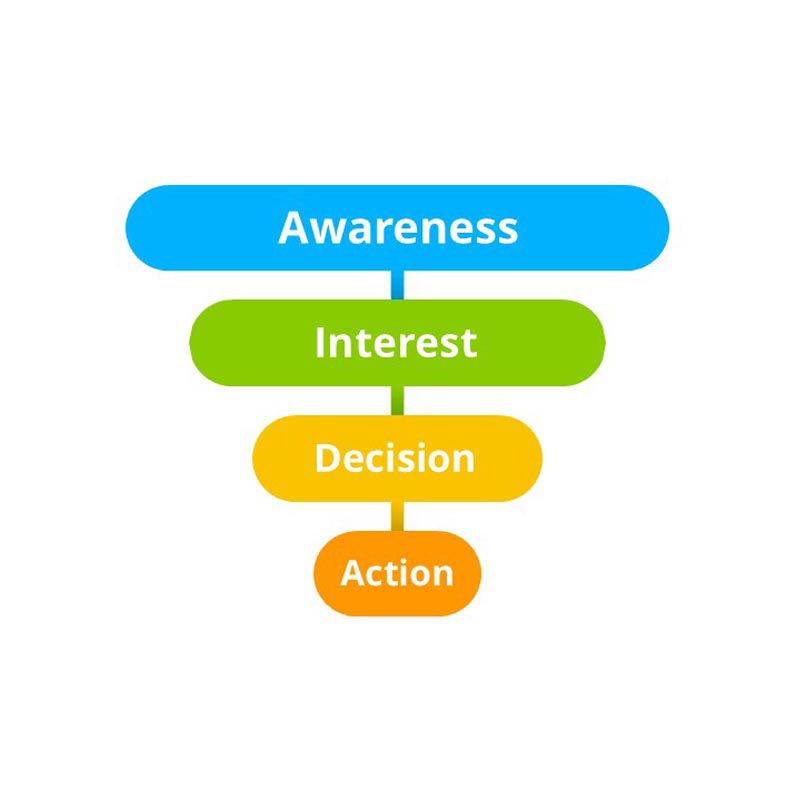
Marketing Funnel 4 steps. Awareness, interest, decision, action

just learning about your brand to trusting and choosing you over competitors. At the top of the funnel, it’s wider and a lot of people might be interested in your business. But the more information they can find about your business, they move through different stages. Only the most engaged and ready to buy customers make it to the bottom.

Why is the Marketing Funnel Important?

A well-structured funnel makes sure you’re not just shouting into the void, hoping someone will listen. Instead, it guides potential customers in a natural, helpful way, increasing the chances that they’ll stick around and make a purchase. Your business needs one for 4 main reasons:

1. It helps you attract the right customer who is interested in your product.
2. It builds a trusting relationship with your customer. People want to know you first before they buy from you
3. The funnel helps organize your efforts and distributes to the right customers.
4. Customer loyalty stems from a great marketing funnel. It helps turn buyers into repeat customers which leads to word-of-mouth marketing which costs the business no out of pocket money.

Key Stages in the Funnel

There are four key stages involved in a marketing funnel are: awareness, interest, decision making, and action.

AWARENESS

This is when people first hear about your business such as paid ads, social media, or SEO. Your marketing needs to tell a story and capture emotion to catch the attention of a potential client.

INTEREST

After you successfully catch their attention and are aware of your business, they scroll down your social media feed, follow you, or visit your website and request more information.

DECISION

The customer compares your business to another and now the decision making happens. Your interaction and customer service is key to getting the contract signed.

ACTION

Now that you’ve signed a contract, the sale doesn’t stop there. You must deliver on the product and service agreed upon. Giving them a positive experience will propel you above the rest!

If you check all these boxes, the customer will want to leave a positive customer review and tell their friends about your services. That means your business will get the coveted free word-of-mouth marketing which is the best marketing for your business!

Marketing Funnels are Successful

A marketing funnel isn’t just a fancy marketing term by any means. It helps you connect with the right people, build trust, and grow your business in a natural way. If you don’t have a marketing funnel, now is the perfect time to start!

Thank you for reading this weeks blog article! If you enjoyed this one, check out last weeks blog about Why to Prioritize Recent Work on Your Portfolio

Why To Prioritize Recent Projects on Your Portfolio

Why To Prioritize Recent Projects on Your Portfolio

When you’re looking to hire a company, one of the best ways to gauge their expertise is by checking out their past work. Some showcase projects from years ago, while others highlight fresh, up-to-date work. It is important to show your latest work because it shows how the company evolves. Additionaly, not all projects are the same which showcases your adaptibility and technology advances.

While older projects can demonstrate a company’s history and experience, recent work offers a clearer picture of what they can do today. Here’s why prioritizing recent projects is essential when presenting your business to potential clients.

Build Trust
and
Credibility

Keeping Up
With
Industry Trends

Reflects Your
Brand’s
Growth and Quality

Building Trust and Credibility

Think about it, when you’re hiring someone, wouldn’t you want to see proof that they can handle modern challenges? If a company’s portfolio is full of outdated work, clients may wonder if they’re still relevant in today’s market. Recent projects serve as a trust signal, showing potential customers that you’re actively delivering results. They also provide reassurance that others are choosing your business right now, which can boost confidence in your expertise. Clients want to see work that aligns with their vision, and the best way to do that is by showcasing projects that reflect today’s styles, strategies, and 

A modern building, a pre-school entrance and playground

technologies. There may even be an opportunity where a client can see your work in person! Prioritize newer projects on your website portfolio.

Keeping Up with Industry Trends

Every industry, from marketing and web design to construction and branding, is constantly developing. A marketing campaign that performed well five years ago may not be effective today. Social media algorithms change, SEO strategies shift, and website design has higher expectations. What once worked may no longer resonate with modern audiences, who expect faster load times, seamless mobile experiences, and intuitive navigation. For example, a website built in 2017

Man looking at phone not sure what to say

may not be mobile-friendly or optimized for today’s interactive user experience, leading to higher bounce rates and lost conversions. Likewise, an outdated ad campaign may not align with current consumer behaviors or platform preferences. Clients want to see that you understand the latest trends and technologies, ensuring their investment in your services will bring results. But a recent project will show off your ability to adapt and innovate. It demonstrates that you not only keep up with industry shifts but also embrace new tools, techniques, and creative solutions. By highlighting your latest work,

you prove that you’re staying ahead of the curve rather than relying on outdated methods. More importantly, it reassures clients that you can deliver fresh, relevant, and effective solutions tailored to today’s needs.

Reflecting Your Brand's Growth

Businesses evolve, and so do services, aesthetics, and processes. The way you operated a few years ago might not reflect the refined, high quality work you produce now. It also showcases how you’ve kept up with the trends over the course of time. By prioritizing recent projects, you’re putting your best foot forward and allowing potential clients to see the most accurate version of your brand.

When It's Appropriate to Showcase Older Work

Of course, that doesn’t mean older work should be tossed aside completely. Past projects can still hold significant value, especially when they highlight key milestones in your business journey. Older work can serve as a testament to your long-standing expertise, credibility, and ability to handle diverse challenges over time. It can also be useful for showcasing timeless designs, strategies that remain effective today that helped establish your reputation. When thoughtfully integrated into your portfolio, select past projects can complement your recent work, reinforcing the full scope of your experience and evolution as a business.

• High-profile or award-winning work – If you’ve been involved in a standout project, it deserves a spot in your portfolio.

• Evergreen designs or strategies – If a project’s impact and relevance are still strong today, it can serve as a great example of your expertise.

• Non-profit or meaningful collaborations – Older projects that align with your values or demonstrate your commitment to a cause can still be powerful selling points.

Ultimately, your portfolio should tell a story that shows growth, innovation, and an ongoing commitment to excellence. While past work adds context, recent projects are the best way to convince new clients that you’re the right choice for them.

Keep Building Trust

Keeping your portfolio fresh with recent projects not only builds trust but also proves that you’re staying ahead of industry trends and continuously improving. Whether you’re in marketing, design, or construction, showcasing your latest work helps potential clients see the value you brought in the past and what you can do today.

Enjoy this article? Read our past blog Do Customer Reviews Matter