

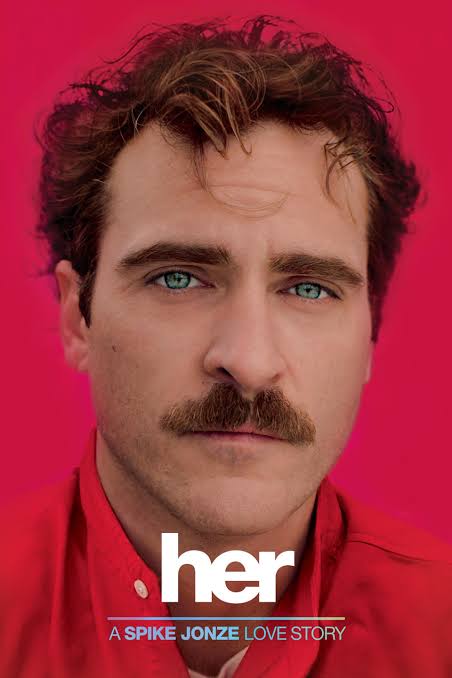
Remember the 2013 Joaquin Phoenix movie Her, in which his character falls in love with an artificial intelligence operating system represented by a female voice? At the time, the concept sounded ridiculous. Today, it feels less like science fiction.
Artificial intelligence has moved far beyond voice assistants. It now creates written content, images, videos, advertisements, search results, and even business plans. AI has become an everyday sight on social media, television commercials, and throughout our personal and professional lives. Remember when everyone said, “Google it,” whenever someone had a question? Now, how often do you hear someone say, “Ask Chat,” “Hey, Alexa,” or “Grok, explain this”?
Why are we giving AI so much power over what we think, see, and do? Are we becoming too dependent on it? Can we still think for ourselves, or have we simply accepted that AI is now part of everyday life?
There is an old saying: “Work smarter, not harder.” The danger is that AI can tempt us to remove the word “work” from that statement entirely. You feed it information, and it produces something, even when the result is inaccurate, generic, or makes absolutely no sense. Making something sound human is not the same as creating it with human judgment, experience, and understanding.
On some level, I believe we are all a little nervous about AI. However, this is not an argument against using it. This is a warning about using it carelessly, especially when representing a business. So, let’s look at the marketing side of this, widely known as AI Slop.
AI Slop
You see it everywhere. AI slop is low-effort, AI-generated content that is published without enough human thought, review, or purpose. It does not even try to hide anymore. Scroll through social media for a few minutes, and you will probably find strangely polished people, unrealistic products, distorted backgrounds, extra fingers, or captions that sound like every other caption online.
Facebook and Instagram use “AI info” labels to help users identify certain content that was generated or significantly edited with AI. There is something slightly comical about one company’s AI helping humans recognize content produced by another AI program. However. it becomes less amusing when businesses use artificial images to represent real products.
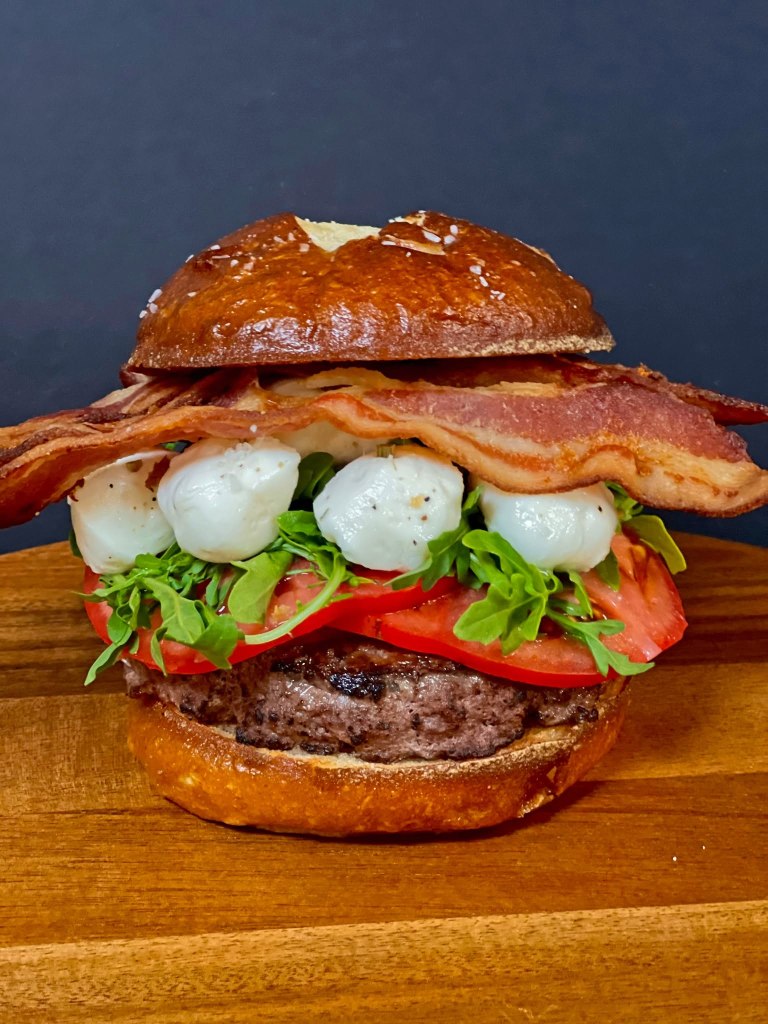
A restaurant showing a menu item should never ask AI to generate an image of a food product they make and share that image rather than photograph their actual product and advertise it. Customers want to see what they will actually receive. That AI may save a little time or money, but it creates a serious breach of trust. I have seen people say they will not trust a restaurant that uses AI-generated images to advertise its food. I cannot blame them. When customers recognize that an image is artificial, they immediately begin asking questions. What is the restaurant hiding? Does the food actually look like that? Is that even a real menu item?
Customers do not want an imaginary version of your product. They want to see what they are actually being asked to purchase.
AI Saves Businesses Money... Sort of...
Most popular AI tools offer free tiers, with premium upgrades costing about $20 a month. But as a business owner, you have to weigh the true cost of using AI to represent your brand. The subscription price is not the true cost of AI. The real cost appears when careless AI content damages the trust customers have in your business.
You could serve the tastiest hamburger in town and make it look completely fake with an AI-generated advertisement. You could build beautiful furniture and then promote it with an image of a six-fingered person sitting comfortably in one of your chairs. People are already surrounded by gossip, misinformation, fake news, exaggerated promises, and aggressive sales tactics. They are tired of wondering what is real. They want honesty. That inexpensive AI subscription can become very expensive when customers stop trusting your company. It can cost you clicks, phone calls, store visits, referrals, repeat customers, and most importantly sales. Saving money on content does not help when the content makes your business look untrustworthy.
What Responsible AI Use Should Look Like
1. Begin With Your Own Idea. Start with a human idea, goal, or problem. Then ask AI to suggest different ways you might accomplish it. Do not begin by copying and pasting a popular prompt you found online and expecting it to create something unique. When everyone uses the same prompts, everyone’s images, captions, and advertisements begin to look the same. You know the look I am talking about. Your business needs to sound and look like your business, not like every other company using the same AI formula.
2. Use AI as a tool to bounce ideas off of. Use AI as a tool for exploring ideas, not as the source of your company’s purpose or strategy. AI can help you organize a plan, question an idea, identify possibilities, or suggest improvements. It should not be allowed to make unchecked decisions about your weekly, monthly, or quarterly business priorities. AI does not understand your customers, employees, reputation, history, or long-term goals the way you do. It can assist with planning. It should never replace your judgment.
3. Use AI as an Extra Pair of Eyes. Write your emails, announcements, and important messages in your own words first. Afterward, you can paste the content into an AI tool and ask it to check the clarity, flow, grammar, or tone. This can be helpful when you are trying to make a message cleaner or easier to understand. Just because AI suggests a change does not mean the change is right. Read the revised message carefully. Make sure it still sounds like you, communicates the correct information, and fits the relationship you have with your cusomers in mind who are receiving it.
4. Compare More Than One AI Source. Do not assume the first AI tool you use is always accurate or objective. Different AI's can produce different answers, recommendations, and creative results. Compare responses when the information matters, and only use suggestions that genuinely fit your business, your audience, and your voice. Mixing and matching ideas from several AI tools can be useful, but the final decision must still come from a human.
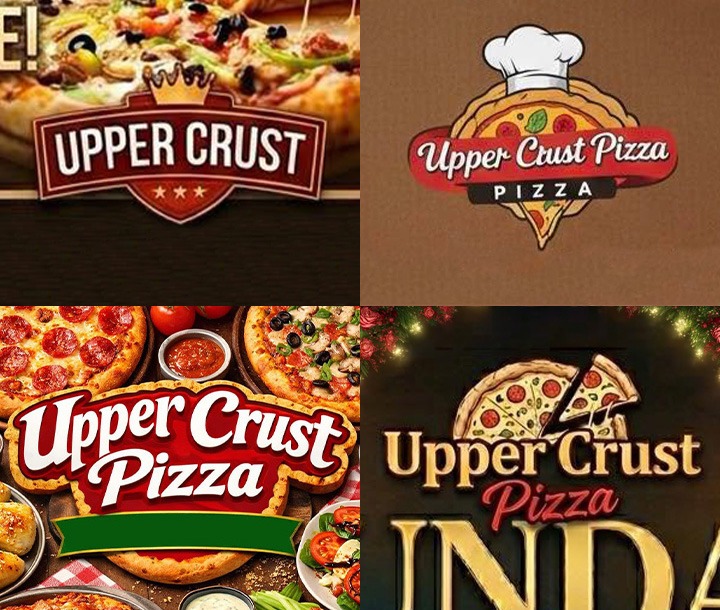
Using this image above, you cannot be for sure this is the same business based by this business logo. But believe me when I tell you that this is the same business using AI to create marketing materials. This example isn't meant to speak negative of the business, but hopefully in the near future they can correct the inconsistency.
Remember: You Are Responsible for Your Business
AI can advise you, organize information, improve a sentence, suggest an idea, or generate an image. What it cannot do is accept responsibility for the consequences. When AI produces something inaccurate, misleading, inappropriate, or damaging, your customers will not hold the AI platform responsible. They will hold your business responsible. AI even says this in their results it provides you.
Use AI. Learn from it. Allow it to make certain parts of your work more efficient. But never hand over your judgment, integrity, or responsibility.
You have been warned.