



At a recent Coldplay concert at Gillette Stadium, what started as a fun kiss cam moment quickly turned into viral chaos. When the camera landed on Andy Byron, CEO of Astronomer, and Kristin Cabot, the company’s head of HR. The two quickly hid their faces in embarrassment hoping nobody would recognize them, but it was too late. A person at the concert has recorded the TV screen at the venue and uploaded it onto TikTok. It wasn’t too long thereafter before the internet took notice. The clip exploded online, racking more than 90 million views on TikTok and sparking endless memes and speculation. The real-world consequences came fast: Byron was placed on leave and later resigned, while Cabot also came under internal review. As the video gained traction, it didn’t take long for brands to spot a marketing opportunity after the kiss cam scandal at the concert, turning the awkward moment into a trending campaign tool.
It didn’t take long for brands to jump in and take advantage of what’s known as the “attention economy.” This is when businesses use a viral moment that everyone’s talking about to boost their visibility and show up in search and social feeds. Most of the time, it’s done with a witty or edgy comment that gets people saying, “Did you see what that brand posted?”

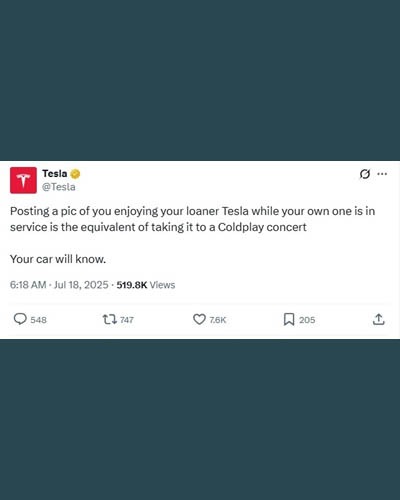
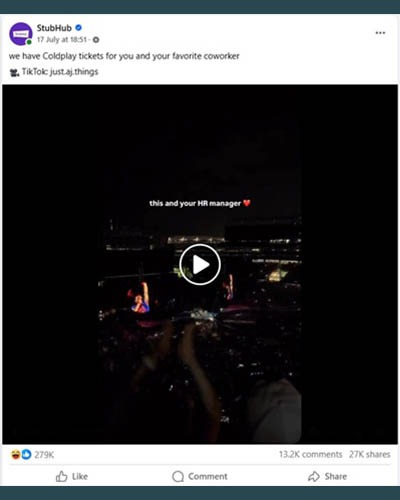
Brands should be thoughtful about the types of viral moments they choose to engage with. As long as they steer clear of political or highly sensitive topics, the benefits often outweigh the risks. A clever response can lead to viral engagement, increased visibility, and stronger audience connection. Many millennials and even some baby boomers tend to appreciate the humor behind these timely posts. But not everyone feels the same way. Some viewers don’t see the moment as newsworthy, and quick-witted brands can come across as tone deaf, especially when real people are affected and the situation involves personal consequences like resignations and family fallout.
What Brands Can Learn
Act fast but thoughtfully
In the world of viral content, timing is everything. The brands that successfully leveraged the kiss cam scandal moved quickly, posting within hours while the moment was still fresh and buzzing online. That kind of speed is essential in today’s “meme-time” cycle, where trends come and go in a matter of days—or even hours. But fast doesn’t mean reckless. Before hitting publish, it’s important to pause and consider the context, the tone, and the potential reaction. A smart, well-timed post can boost visibility. A rushed, careless one can backfire.
Know your brand tone
Humor works when it’s playful, punny, or a little cheeky. But it needs to land well. Brands should avoid coming across as mean-spirited, exploitative, or overly personal. It’s a delicate balance. If your post feels like it’s making fun of real people in a painful situation, it could leave a bad impression. The best-performing posts are the ones that join the conversation without crossing the line.
Alight with your brand voice
Not every brand should sound the same. Tesla’s bold, edgy voice made their response feel natural and on-brand. IKEA leaned into its quirky and cozy image with a lighthearted visual. These brands know who they are, and their messaging reflects that. On the other hand, if a financial institution or healthcare company tried the same tone, it might come off as confusing or even inappropriate. Consistency is key. When your content feels true to your brand identity, it builds trust and connection.
Monitor Audience Response
Engagement is what brands want, but don’t forget to read the room. Track how your audience responds in real time. If your post gets laughs, likes, and shares, that’s a good sign. But if the tone shifts and people start expressing discomfort or empathy for those involved in the original incident, it’s time to reassess. A single post probably won’t define your brand, but how you respond to feedback will. Being willing to pivot or pull back shows that your brand listens and cares.
Takeaways From Attention Economy
These takeaways are a reminder that when done right, reactive marketing can be a powerful tool for brand growth and audience connection. It allows businesses to step into conversations their audiences are already having, creating moments that feel fresh, relevant, and human. When a brand reacts with the right timing, it shows they’re paying attention, not just to trends, but to the world around them.
Reactive marketing isn’t just about being first. It’s about being thoughtful. The most successful examples strike a careful balance between speed, tone, and authenticity. A well-crafted post can spark conversation, make people laugh, or even position a brand as culturally aware and in-touch. But if it feels forced, off-brand, or insensitive, it can just as easily damage credibility.
Ultimately, the goal isn’t just to go viral, it’s to connect. When brands understand their voice, respect their audience, and respond with intention, reactive marketing becomes more than just a moment. It becomes a meaningful part of their broader storytelling strategy.
Thank you for reading this weeks blog! This viral moment reminds me about the blog we wrote about Super Bowl Marketing. Every year brands push the envelope to grab viewers attention to make themselves viral. If you have not read it, check it out! Have a blessed week!