a
Creative Fox Marketing Group Logo
Creative Fox Group logo in white for dark backgrounds
Logo Design: Central Florida Restaurant Supply
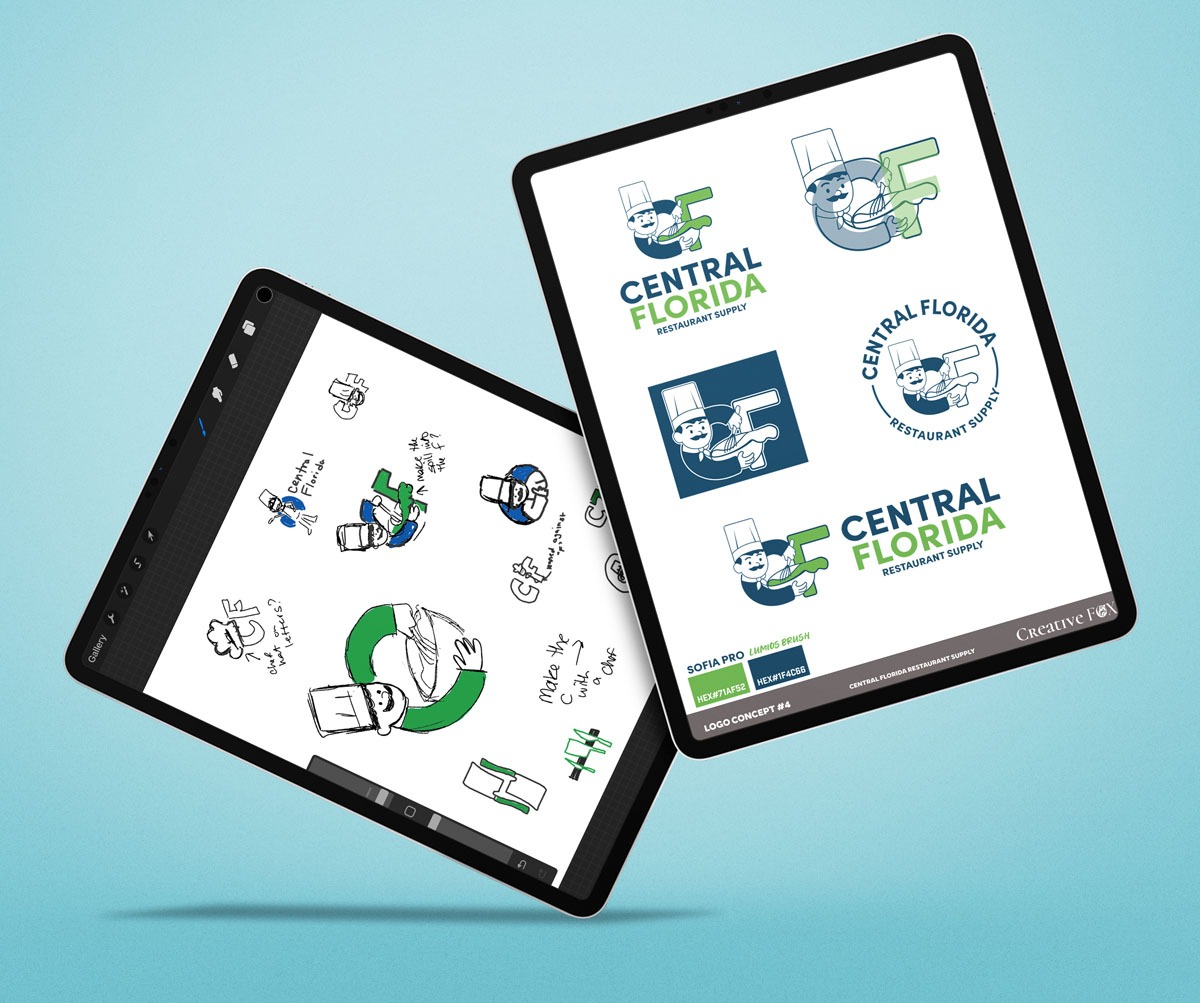
Logo Design: Central Florida Restaurant Supply

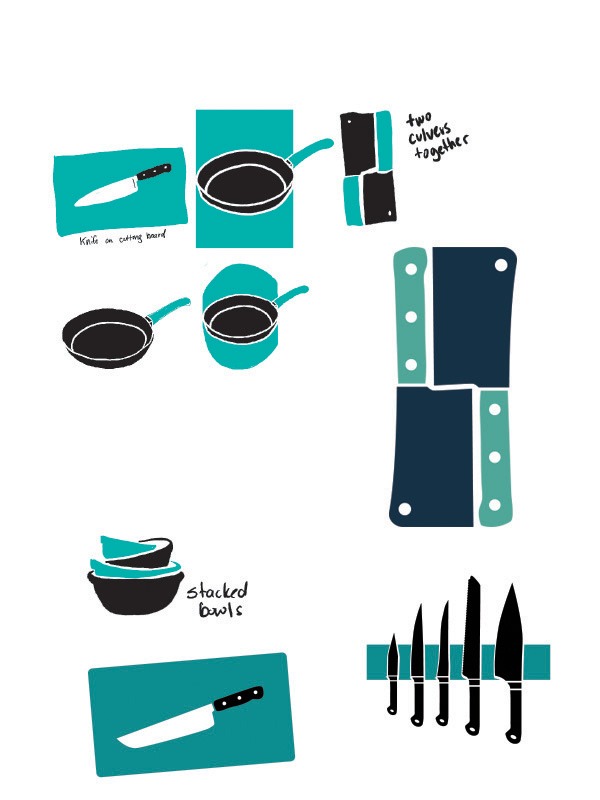
Concept art for a logo design drawn in Procreate to final design in Adobe Illustrator.

When Central Florida Restaurant Supply prepared to open its new store in Winter Haven, they knew they needed more than just stocked shelves. They needed a brand identity that reflected their role in the foodservice industry. From kitchen smallwares to larger equipment like walk-in coolers, and everything in between, their store offers the everyday essentials restaurants rely on to run smoothly. Their goal was a logo that customers could instantly connect with the restaurant supply industry while helping them stand out from local competitors.
The Design Process

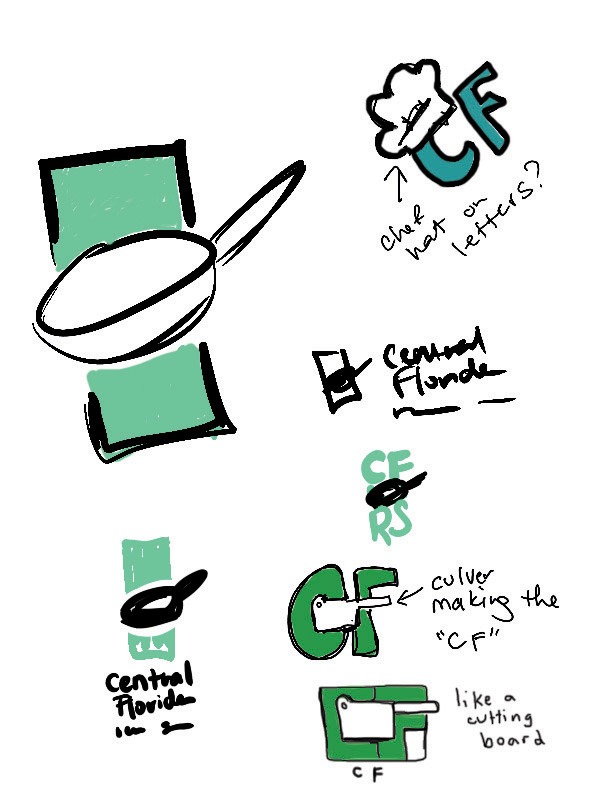
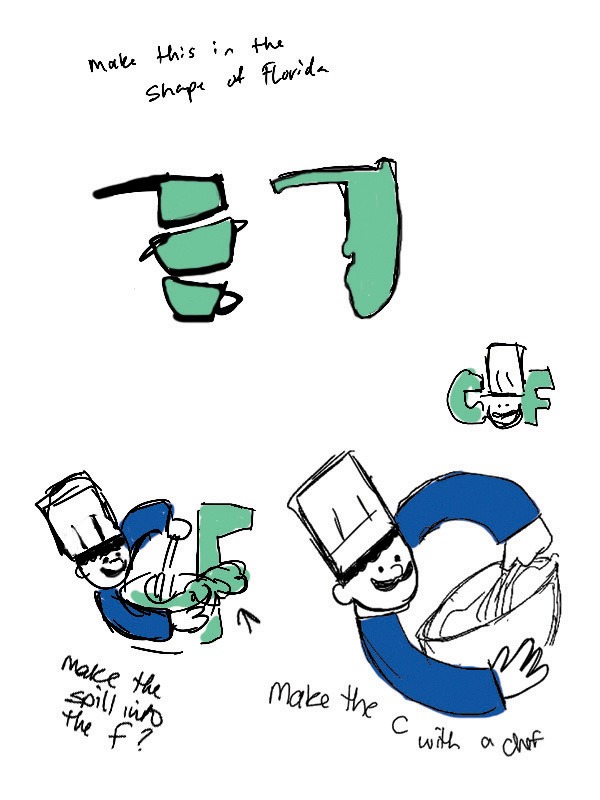
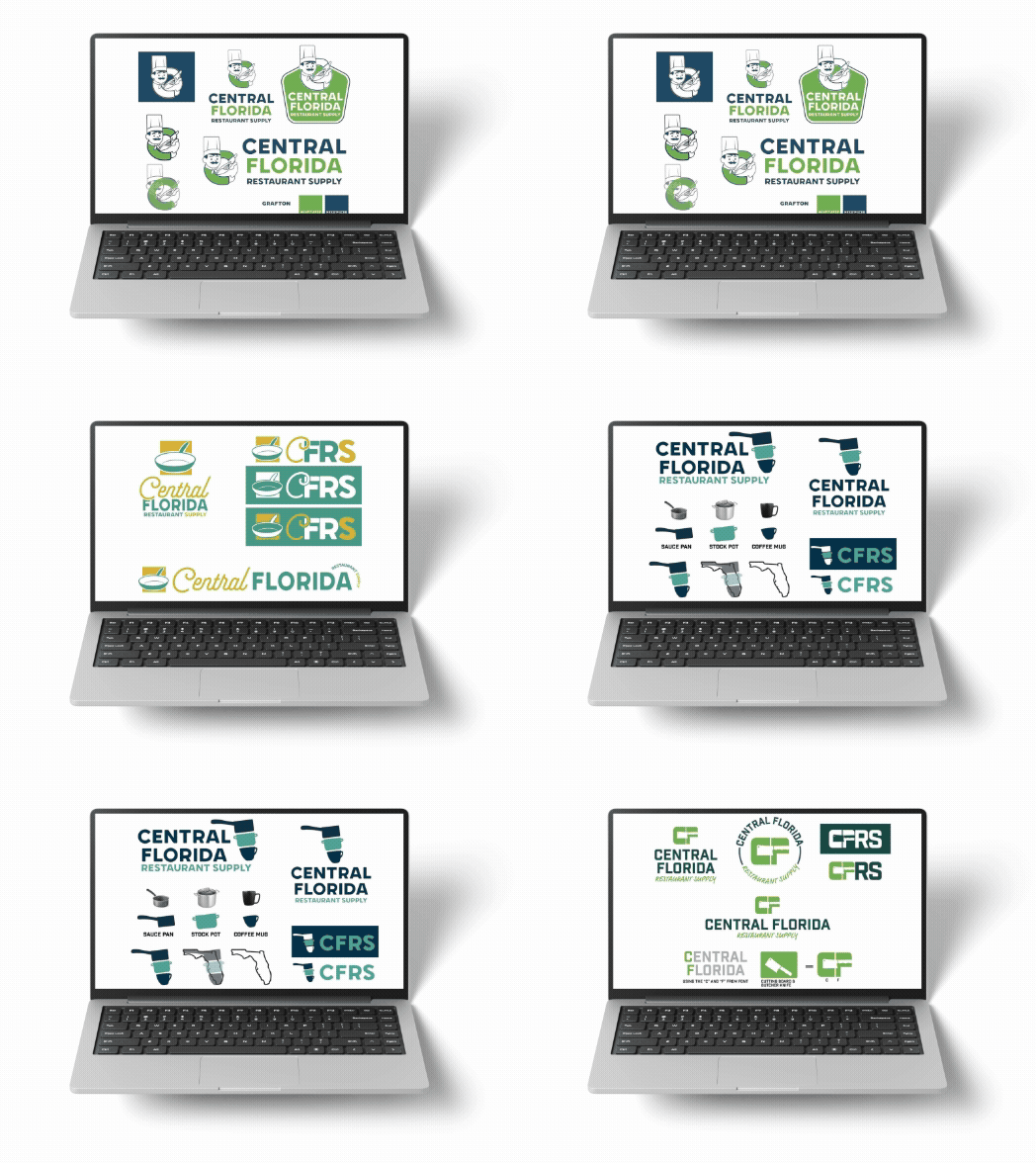
We started by sketching concepts in Procreate, quickly exploring different directions that could capture the client’s vision. From there, we refined the strongest ideas in Adobe Illustrator, creating polished versions that could adapt across different formats, like horizontal, vertical, or badge-style layouts.

Our first round of concepts included:

  • A chef pan emblem

  • The state of Florida outlined with kitchen items

  • A cutting board and butcher knife forming the letters “CF”

  • A chef character stirring a mixing bowl inside the letter “C”

Each design was developed to stand apart from the typical chef hats and knife logos used by competitors, offering a more original and memorable identity.
Refinements and Feedback

After presenting the first round, the client provided valuable feedback:

  • Remove the chef pan concept

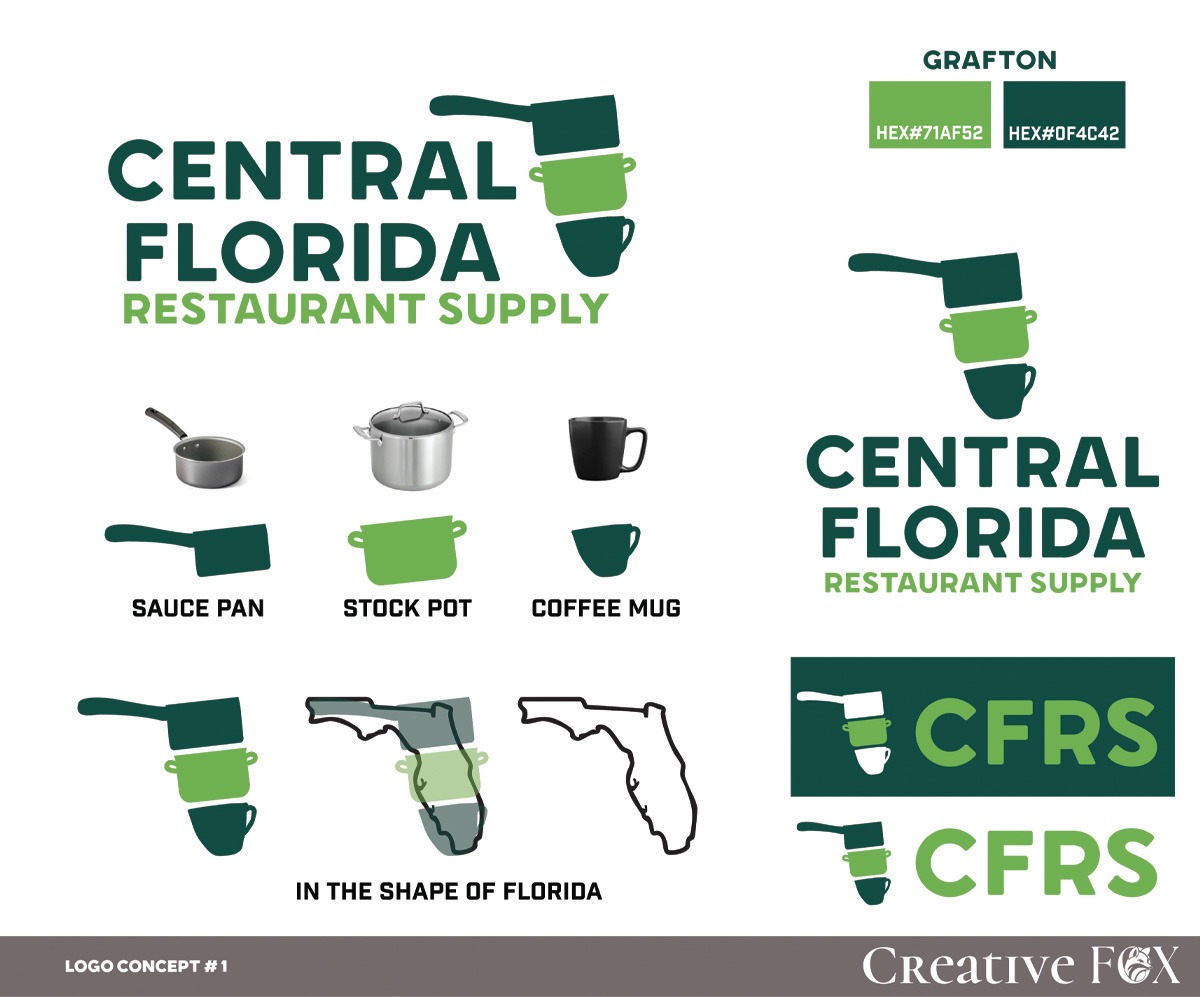
  • Adjust the Florida outline to make the shape more recognizable

  • Change the color to green to see if the Florida shape comes out more
  • Incorporate an “F” alongside the chef character for balance

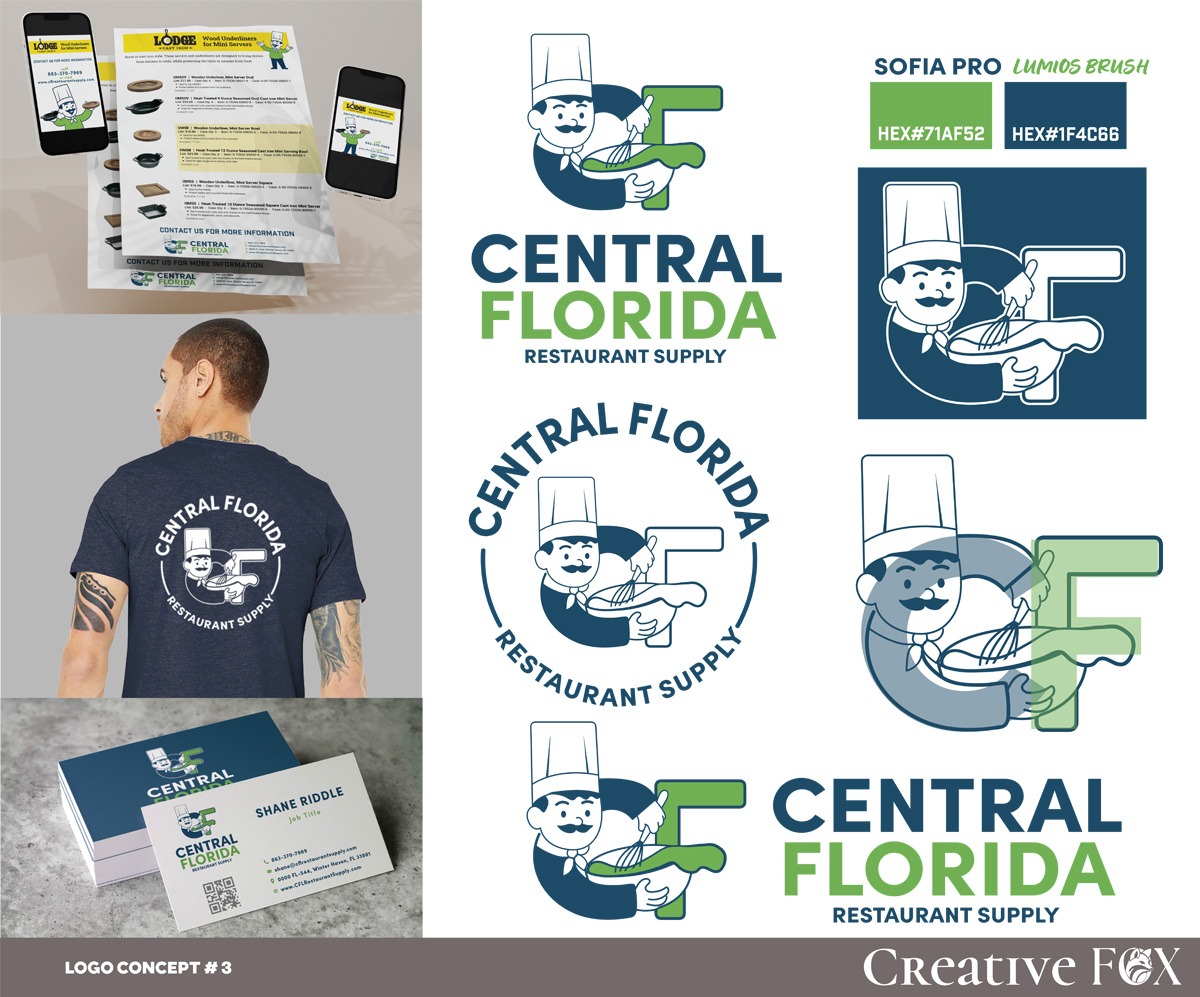
With these changes in mind, we created updated versions and mocked them up in real-world applications such as signage, business cards, shirts, and marketing materials. This helped the client visualize how their brand could live beyond the digital design stage.
The Final Logo
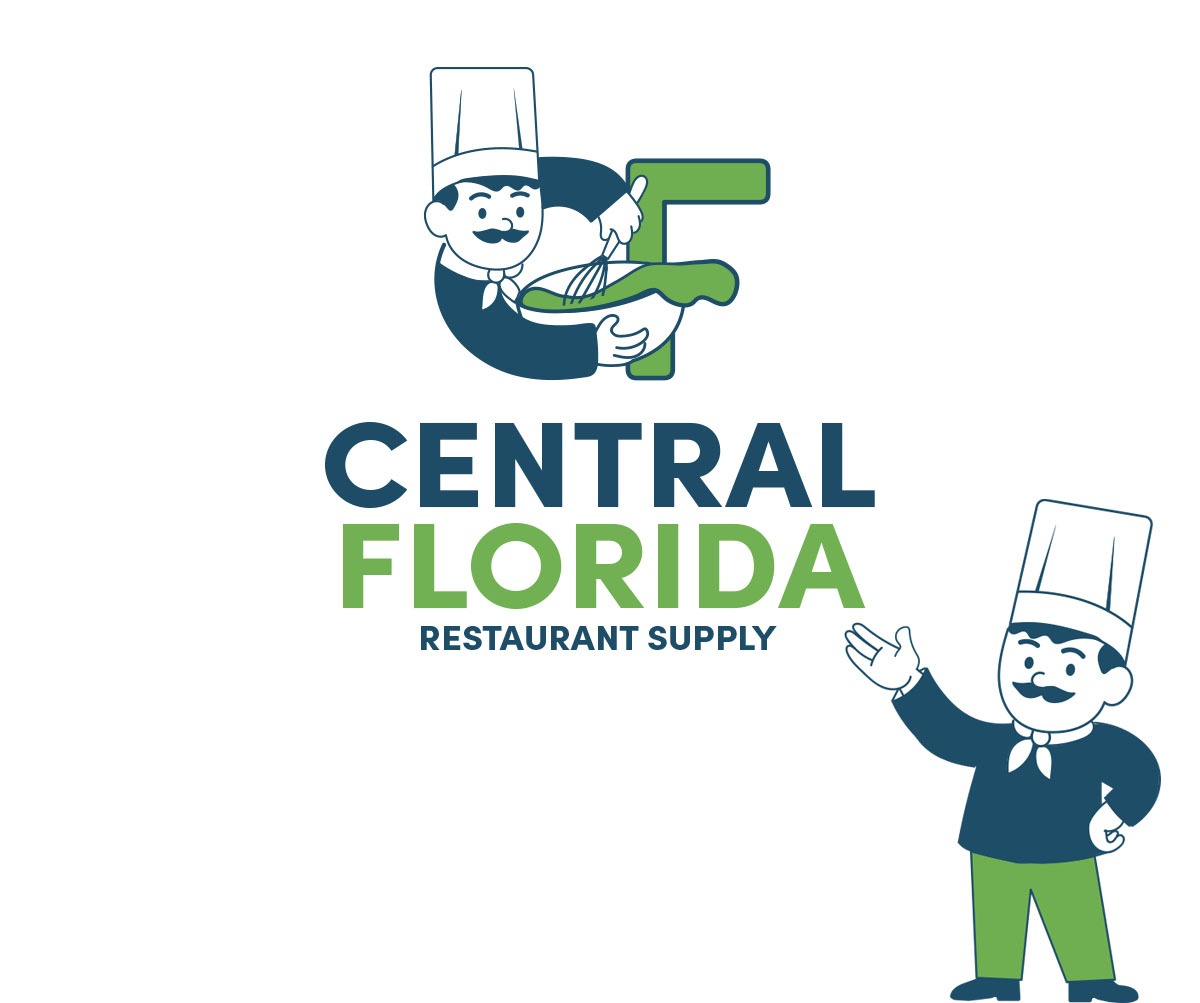
CFRS Chef showing off the new logo.

The winning design was the Chef with the CF, a playful mascot integrated into the brand name. The character not only made the logo approachable and memorable but also gave the client a versatile asset they could use in future marketing, such as animations, promotional graphics, and social media content.

Now, when customers see the chef, they immediately connect it with Central Florida Restaurant Supply. The mascot has become a powerful brand marker that sets the company apart in a competitive industry.

Impact

A strong logo goes beyond aesthetics, it becomes the face of a brand. For Central Florida Restaurant Supply, their new logo serves as a recognizable identity that builds trust, makes marketing more effective, and ensures that when people think of restaurant supplies in Winter Haven, they think of their chef mascot

If you’re ready for a new logo or a brand refresh, Creative Fox Group is here to help. We create bold, recognizable designs that capture your business and set you apart from the competition. Logos, websites, or full brand identities that leave a lasting impression.

Website Redesign Client Case Study: MD Construction

Website Redesign Client Case Study: MD Construction

Client and the Opportunity

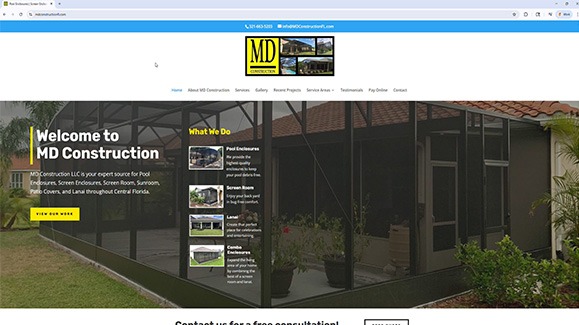
Our client, MD Construction, based in Central Florida, is dedicated to helping homeowners enhance their outdoor living spaces with quality and care. They wanted a website that clearly communicates their range of services and showcases the craftsmanship behind each project. The goal was to create a welcoming online presence that builds trust, highlights their local expertise, and encourages homeowners to take the next step toward improving their home’s comfort and value.

The old Website

Poor User Experience and Navigation – The site structure lacked intuitive navigation, making it difficult for users to find key information quickly.
Disorganized Content Layout – Content lacked hierarchy and structure, making it harder for visitors to understand services or take action.

Lack of SEO Optimization – The site was missing fundamental SEO elements, which impacted its visibility in local search results.

Unoptimized Image Assets – Oversized and improperly compressed photos were slowing down page load times, negatively affecting user experience and site performance.

View the video of the old website

Mobile Responsiveness Issues – The previous site did not adapt well to mobile devices, which is critical given the high volume of users browsing on phones and tablets.

No Internal Linking Strategy – Pages were isolated, with few cross-links to guide users through the site or support SEO efforts.

Our Solution

Improved User Navigation – We completely restructured the site’s navigation with a clear, simplified menu and logical page grouping. This ensures that both new and returning visitors can easily explore services, view project galleries, and access contact forms without frustration or confusion.

Strategic Content Organization – We rebuilt each page with purpose. Services are now clearly defined, headers guide the reader through sections, and content is formatted to highlight key details. This not only improves the user experience but also helps guide visitors toward taking action, whether it’s requesting a quote or browsing project photos.

SEO-Optimized Framework – From backend to content, we implemented SEO best practices across the site. Every page includes optimized meta titles and descriptions, alt text for all images, and copy tailored with target keywords for MD Construction’s core services and service areas. This foundation helps the site rank better locally and attract qualified traffic.

Optimized Visual Assets – Large, uncompressed images were replaced with high-quality, web-optimized versions. We balanced image quality with performance using modern compression tools, helping to significantly reduce page load times while still showcasing MD Construction’s work in the best possible light.

Fully Responsive Design – The new website was designed mobile-first to ensure it functions flawlessly on smartphones and tablets. Layouts automatically adjust to screen size, and all content remains accessible and easy to navigate — a must-have in today’s mobile-heavy browsing habits.

Internal Linking Strategy – We introduced a smart internal linking system to create a better flow between related content. Service pages now link to relevant galleries, the quote form is accessible throughout the site, and footer navigation offers quick access to high-traffic areas. This not only supports user engagement but also strengthens SEO by keeping users on the site longer.

Check out their new website to see the full transformation and explore their latest work!

Website Redesign Client Case Study: Trinity Baptist Church Lakeland, FL

Website Redesign Client Case Study: Trinity Baptist Church Lakeland, FL

Client and the Opportunity

Our client, Trinity Baptist Church in Lakeland, FL, is actively involved in local community outreach. They wanted a website that reflects their heart for the community and shows that there’s a welcoming place where families can worship together in a safe, supportive environment. The goal was to extend an open invitation for others to visit, connect, and grow as part of their local church family.

The old Website

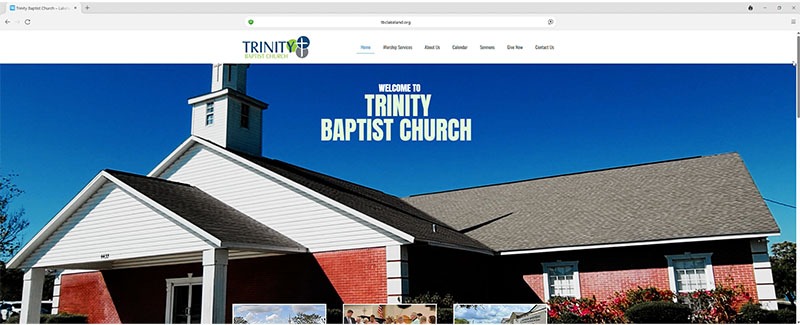
❌  Felt outdated and uninviting

❌  Lacked appeal and didn’t encourage people to engage with the website

❌  Did not represent the church’s community outreach

❌  Had limited photos and outdated photos

❌  Not mobile optimized and website felt clunky

❌  Website did not follow good SEO practices

Our Solution

We upgraded to a professional website platform using a dynamic new theme. This gave us the flexibility to add powerful features like customizable contact forms through professional plug-ins. Since WordPress is regularly updated and offers a wide range of tools for SEO, websites built on this platform often perform better in search engine results

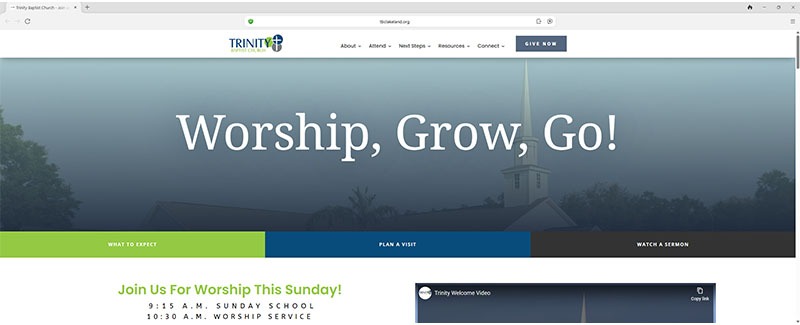
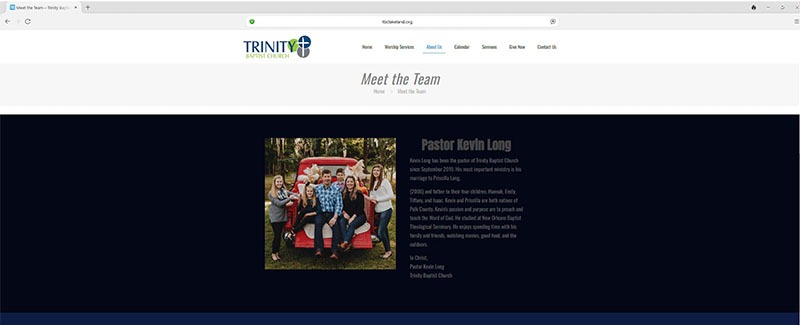
The mission statement of Trinity Baptist Church is to Worship, Grow, and Go! And they wanted to make that visible to everyone. We modernized their website giving them a proper menu bar and header. The visual appeal has the visitor wanting to engage with each page to learn more about Trinity Baptist Church

All of the community outreaches held at their church campus are now visible on their website.

✅ We added fresh, updated photos across the website to help visitors feel more connected to Trinity Baptist Church. These images highlight the campus, community outreach events, and give a clear picture of what someone can expect when visiting for the first time

This website has been optimized for mobile phone use, including a collapsible menu bar

✅ Every page on the website includes a meta description with keywords that people commonly use when searching for a local church. All photos also include alt text, making it easier for search engines to index them and improve the site’s overall visibility. The SEO score with the old website was 65% and after a month of being live and crawled by search engines, their website has an SEO score of 95%

Church staff page

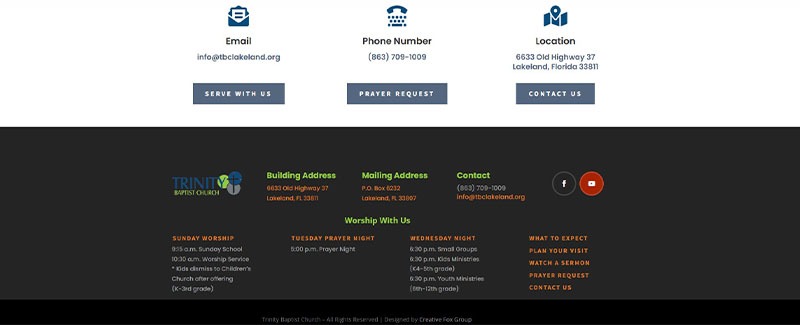
Church standard page footer

Marketing Opportunity After Kiss Cam Scandal at Concert

Marketing Opportunity After Kiss Cam Scandal at Concert

At a recent Coldplay concert at Gillette Stadium, what started as a fun kiss cam moment quickly turned into viral chaos. When the camera landed on Andy Byron, CEO of Astronomer, and Kristin Cabot, the company’s head of HR. The two quickly hid their faces in embarrassment hoping nobody would recognize them, but it was too late.  A person at the concert has recorded the TV screen at the venue and uploaded it onto TikTok. It wasn’t too long thereafter before the internet took notice. The clip exploded online, racking more than 90 million views on TikTok and sparking endless memes and speculation. The real-world consequences came fast: Byron was placed on leave and later resigned, while Cabot also came under internal review.  As the video gained traction, it didn’t take long for brands to spot a marketing opportunity after the kiss cam scandal at the concert, turning the awkward moment into a trending campaign tool.

It didn’t take long for brands to jump in and take advantage of what’s known as the “attention economy.” This is when businesses use a viral moment that everyone’s talking about to boost their visibility and show up in search and social feeds. Most of the time, it’s done with a witty or edgy comment that gets people saying, “Did you see what that brand posted?”

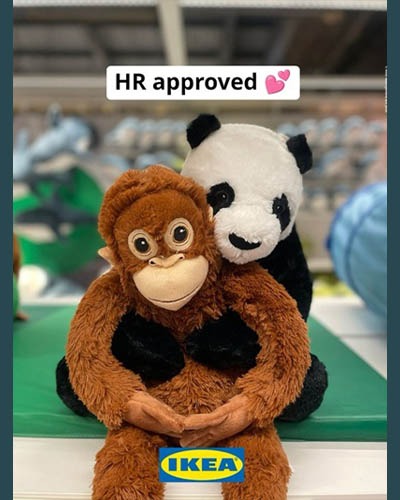
Ikea post about the coldplay concert kiss cam

IKEA Instagram

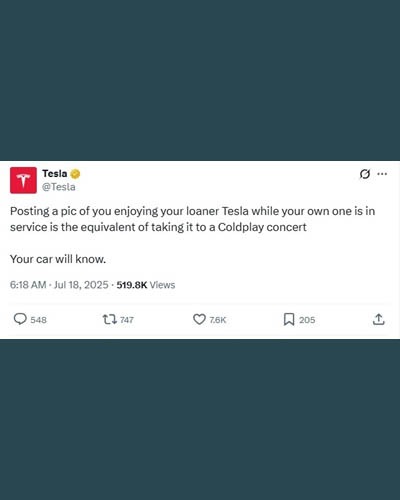
Tesla post about the coldplay concert kiss cam
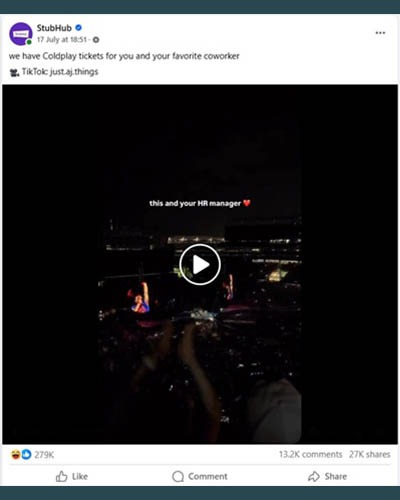
Stubhub post about the coldplay concert kiss cam

StubHub Facebook

Brands should be thoughtful about the types of viral moments they choose to engage with. As long as they steer clear of political or highly sensitive topics, the benefits often outweigh the risks. A clever response can lead to viral engagement, increased visibility, and stronger audience connection. Many millennials and even some baby boomers tend to appreciate the humor behind these timely posts. But not everyone feels the same way. Some viewers don’t see the moment as newsworthy, and quick-witted brands can come across as tone deaf, especially when real people are affected and the situation involves personal consequences like resignations and family fallout.

What Brands Can Learn

Act fast but thoughtfully
In the world of viral content, timing is everything. The brands that successfully leveraged the kiss cam scandal moved quickly, posting within hours while the moment was still fresh and buzzing online. That kind of speed is essential in today’s “meme-time” cycle, where trends come and go in a matter of days—or even hours. But fast doesn’t mean reckless. Before hitting publish, it’s important to pause and consider the context, the tone, and the potential reaction. A smart, well-timed post can boost visibility. A rushed, careless one can backfire.

Know your brand tone
Humor works when it’s playful, punny, or a little cheeky. But it needs to land well. Brands should avoid coming across as mean-spirited, exploitative, or overly personal. It’s a delicate balance. If your post feels like it’s making fun of real people in a painful situation, it could leave a bad impression. The best-performing posts are the ones that join the conversation without crossing the line.

Alight with your brand voice
Not every brand should sound the same. Tesla’s bold, edgy voice made their response feel natural and on-brand. IKEA leaned into its quirky and cozy image with a lighthearted visual. These brands know who they are, and their messaging reflects that. On the other hand, if a financial institution or healthcare company tried the same tone, it might come off as confusing or even inappropriate. Consistency is key. When your content feels true to your brand identity, it builds trust and connection.

Monitor Audience Response
Engagement is what brands want, but don’t forget to read the room. Track how your audience responds in real time. If your post gets laughs, likes, and shares, that’s a good sign. But if the tone shifts and people start expressing discomfort or empathy for those involved in the original incident, it’s time to reassess. A single post probably won’t define your brand, but how you respond to feedback will. Being willing to pivot or pull back shows that your brand listens and cares.

Takeaways From Attention Economy

These takeaways are a reminder that when done right, reactive marketing can be a powerful tool for brand growth and audience connection. It allows businesses to step into conversations their audiences are already having, creating moments that feel fresh, relevant, and human. When a brand reacts with the right timing, it shows they’re paying attention, not just to trends, but to the world around them.

Reactive marketing isn’t just about being first. It’s about being thoughtful. The most successful examples strike a careful balance between speed, tone, and authenticity. A well-crafted post can spark conversation, make people laugh, or even position a brand as culturally aware and in-touch. But if it feels forced, off-brand, or insensitive, it can just as easily damage credibility.

Ultimately, the goal isn’t just to go viral, it’s to connect. When brands understand their voice, respect their audience, and respond with intention, reactive marketing becomes more than just a moment. It becomes a meaningful part of their broader storytelling strategy.

Thank you for reading this weeks blog! This viral moment reminds me about the blog we wrote about Super Bowl Marketing. Every year brands push the envelope to grab viewers attention to make themselves viral. If you have not read it, check it out! Have a blessed week!

Why Your Website Should Focus on Specific Keywords

Why Your Website Should Focus on Specific Keywords

When it comes to getting your business found online, visibility is everything. But how do you make sure your website shows up when someone searches for what you offer? The answer starts with keywords, but not just any keywords, but specifically, the right keywords. Targeting specific keywords helps search engines understand your content, and more importantly, it helps the right people find your website at the right time.

What Are Keywords, and Why Do They Matter

Keywords are the words and phrases people type into search engines like Google. For example, if someone searches for “screen enclosures in Polk County,” and your website has content built around that phrase, you have a much better chance of showing up in their results.

keyword research written on a piece of paper next to apple earpods

Search engines use keywords to match user searches with relevant websites. If your content includes specific, targeted keywords, search engines are more likely to understand what your pages are about and recommend them to people.

Keyword Specificity

While it might seem like a good idea to try to rank for broad terms like “contractor” or “screen repair,” those phrases are highly competitive and often too general to bring in quality traffic. Focusing on more specific, long-tail keywords such as “custom pool enclosures in Lakeland” or “garage screen installation near me” gives your site a better shot at ranking and attracting visitors. There is a higher likelihood that those visitors are more likely to convert.

3 Reasons why specificity works

Less Competition

Niche keywords are easier to tank for because fewer websites are targeting the,.

Higher Intent

Visitors searching with specific terms usually know what they want and are closer to making a decision. As mentioned earlier, these lead to higher conversion rates.

Better User Experience

Tailored content that matches search intent makes it easier for users to find what they’re looking for. They won’t have to look anywhere else because you offer the product they are looking for.

SEO and Content Go Hand in Hand

Using specific keywords isn’t just about inserting the right words into your homepage. Your pages are about creating valuable, relevant content that naturally includes those keywords like blog posts, service pages, FAQs, and project descriptions. This not only helps with SEO but also builds trust and authority with your audience.

rear lanai in the back of a home

For example, if you offer lanai enclosures in Central Florida, a blog post titled “What to Know Before Building a Lanai in Florida” can target that exact audience while answering questions they’re already asking online. You’re not only improving your chances of ranking for searches like “building a lanai in Florida” or “lanai enclosure tips,” but you’re also positioning your business as a helpful, knowledgeable resource. When potential customers find useful content that speaks directly to their needs, they’re more likely to trust your expertise and contact you when they’re ready to move forward. Plus, content like this often gets shared or bookmarked, further increasing your visibility and authority over time.

Specific Keywords Matter

Your website is your digital storefront and search engines are the map people use to find it. By focusing on specific keywords, you help search engines guide more of the right people to your site. Whether you’re a small business, service provider, or creative brand, keyword strategy is a foundational part of a strong online presence. As we say around here, your future customer is already searching for you, lets make sure they will find you!

Thank you for reading this weeks blog post! We enjoy posting these every other week and hope you find them helpful. If you need help identifying the right keywords for your business, reach out to us and we would love to assist you!

How Often Should You Redesign Your Website?

How Often Should You Redesign Your Website?

If you’re asking yourself whether it’s time to redesign your website, chances are the answer might be yes. But how often should you actually go through a redesign? The truth is, there’s not a universal answer, but there are a few key signs and timelines that can help guide the decision.

General Rule: Every 2-3 Years

On average, businesses tend to redesign their websites every two to three years. Why? Because both design trends and user expectations evolve fast. What felt sleek and modern in 2020 might already look outdated today. Additionally, technology changes quickly. If your site isn’t keeping up with mobile responsiveness, speed, or accessibility, you could be losing valuable traffic.

Redesign Is Not Only Looks

A website redesign isn’t just about a new color palette. It’s about performance. If your site takes too long to load, doesn’t work well on mobile, or confuses visitors with poor navigation, it might be doing more harm than good. A fresh redesign can help improve the user experience, increase engagement, and ultimately drive better results for your business.

Breathing New Life

Young woman standing with eyes closed on the beach on a sunny day

Instead of waiting until your website feels completely broken, think about your site as an evolving tool. A well-timed website redesign can breathe new life into your online presence and better support your business goals. Make sure it’s driven by data, not just design trends.

Signs It Might Be Time to Redesign Your Website

Your bounce rate is high

If visitors leave after a few seconds, your site may
not be meeting their expectations.

You have rebranded

 If your visuals, voice, or target audience has changed,  your website brand identity should reflect that.

New product launch

If you have a new product, you should make sure your clients are aware. It’s likely there is a portion of your audience that would rather look on your website and read about your new product.

Not many leads

If website traffic is steady but conversions are low,
your layout and calls-to-action may need
an overhaul.

Analytics, heatmaps, and user feedback are great tools to use when deciding if a redesign is truly needed. Focus on improving how the site functions and how it looks, and you’ll be in a much better position than just chasing the latest visual trend.

Redesign With Strategy
person pointing at a white board that has sticky notes on it coming up with a strategy

Redesigning your website isn’t something you need to do every year, but it is something you should keep an eye on. There may be pages or sections that should reflect product changes.

Stay in tune with your users, your business goals, and changes in digital technology. And when it’s time to make the leap, don’t just update the look, update the experience.

Thank you for taking a few minutes out of your day to read this weeks blog article. If you’re looking for a website refresh and are unsure where to start, I would encourage you to contact us!